Four oral glucagon-like peptide-1 receptor (GLP-1R) drugs, currently under Phase III trials, are in the race for approval, according to a report.
This follows the immense popularity of injectable GLP-1R drugs, such as Novo Nordisk’s Wegovy and Saxenda, Eli Lilly’s Zepbound, and Shanghai Benemae Pharmaceutical’s Yishengtai, all of which have been approved for obesity.
The report by GlobalData, a data and analytics company, showed that 63 drugs are in active development, with four Phase III products racing to earn the inaugural approval in this untapped market.
Jasper Morley, Pharma Analyst at GlobalData, said that Novo Nordisk is leading the pack with four separate products, two apiece in Phase III and Phase II.
“Novo Nordisk and Eli Lilly are looking to expand their GLP-1R portfolios and cement their positions as frontrunners within the oral GLP-1R for obesity category,” Morley said.
Novo Nordisk’s Phase III product Rybelsus has already been approved by the US Food and Drug Administration (FDA) for cardiovascular risk factors and Type 2 diabetes. The Danish company now aims to expand its portfolio to include obesity.
In addition, the company’s Phase III candidate, NN-9932, is expected to be launched by the end of 2025.
“NN-9932 has the highest probability of success among all drugs in this category, with a 35 per cent likelihood of approval (LoA),” Morley said.
Further, Morley mentioned that Eli Lilly’s Phase III candidate, orforglipron calcium, aims to be the first oral GLP-1R approved for obesity by 2026. It will also be the first GLP-1R to gain approval as a small molecule.
China-based Jiangsu Hengrui’s HRS-9531 is the final Phase III contender. This is the only product in the group not being developed by a major pharmaceutical company, highlighting the growing interest from global players in entering the competitive oral GLP-1R market.
Obesity is defined as excessive fat accumulation resulting from an imbalance between energy intake (diet) and expenditure (physical activity). It has reached epidemic proportions globally—an alarming trend that presents a lucrative opportunity for drugmakers.
Morley noted that drug sales for GLP-1Rs in obesity are expected “to surpass $126 billion by 2030.”
“Novo Nordisk and Eli Lilly have already reaped substantial rewards in the injectable segment. However, the emergence of oral therapies is reshaping the landscape,” Morley said.
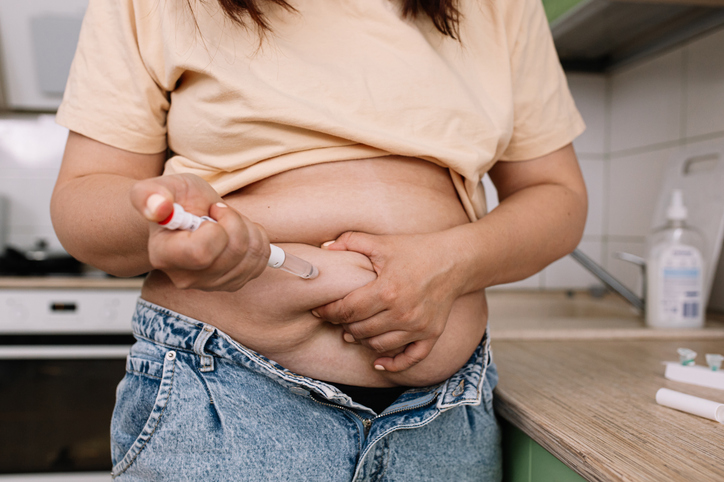
While injectables have gained immense popularity, they are associated with certain drawbacks, such as the requirement to visit a professional clinic for administration. The oral alternatives will offer greater convenience, lower development costs, and simpler marketing, the report said.
(Inputs from IANS)