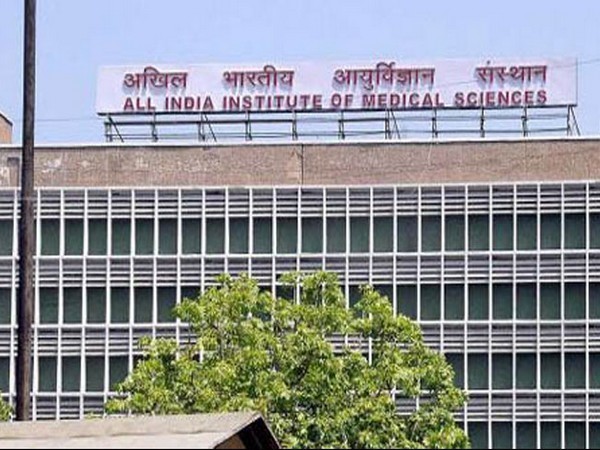
The All India Institute of Medical Sciences (AIIMS) in New Delhi has announced the launch of the GRASSROOT clinical trial, formally known as the Gravity Stent-Retriever System for Reperfusion of Large Vessel Occlusion Stroke Trial, marking a significant step toward advancing stroke treatment in India. The trial aims to evaluate the safety and efficacy of a next-generation stent-retriever developed to address stroke clots, particularly within the Indian population.
“Our objective is to bring an innovative solution that will enhance stroke outcomes and set global benchmarks for care,” said Dr. Shailesh Gaikwad, MD, FNAMS, Head of the Department of Neuroimaging & Interventional Neuroradiology at AIIMS.
India faces severe challenges in stroke care, with only 4,500 out of the estimated 375,000 eligible patients receiving life-saving mechanical thrombectomy each year. The GRASSROOT trial hopes to close this gap by introducing a cost-effective and efficient stent-retriever that can restore blood flow safely and swiftly. Developed in collaboration with international and Indian experts, the device has been tailored to meet the unique medical needs of the country.
The trial officially commenced on August 15, 2024—India’s Independence Day. The first patient treated under the trial at AIIMS, New Delhi, led by Dr. Gaikwad and Dr. Deepti Vibha, MD, DM, has been successfully discharged. “We believe the GRASSROOT trial will redefine stroke care in India and beyond,” said Dr. Vibha.
The trial is being conducted across 16 hospitals in India, including AIIMS and the Jawaharlal Institute of Postgraduate Medical Education & Research (JIPMER) in Pondicherry. Dr. Shashvat Desai, MD, Chief of R&D at Gravity, emphasized the urgency of prioritizing stroke care: “For India to harness its demographic dividend, we need to address health challenges like stroke and its long-term consequences.”
Dr. Dileep Yavagal, MD, the global Principal Investigator for the trial and Professor of Neurology at the University of Miami, stressed the importance of affordable solutions, saying, “Providing accessible stroke treatment devices is crucial to mitigate the devastating impact of stroke in India.”
Among the first physicians to use the new stent-retriever was Dr. Kalpesh Shah, MS, MCh, from Zydus Hospital in Ahmedabad. He highlighted the broader implications of the trial, adding, “With the rising demand for stroke thrombectomy, these advanced devices will revolutionize global access to effective stroke care.”
(Inputs from ANI)