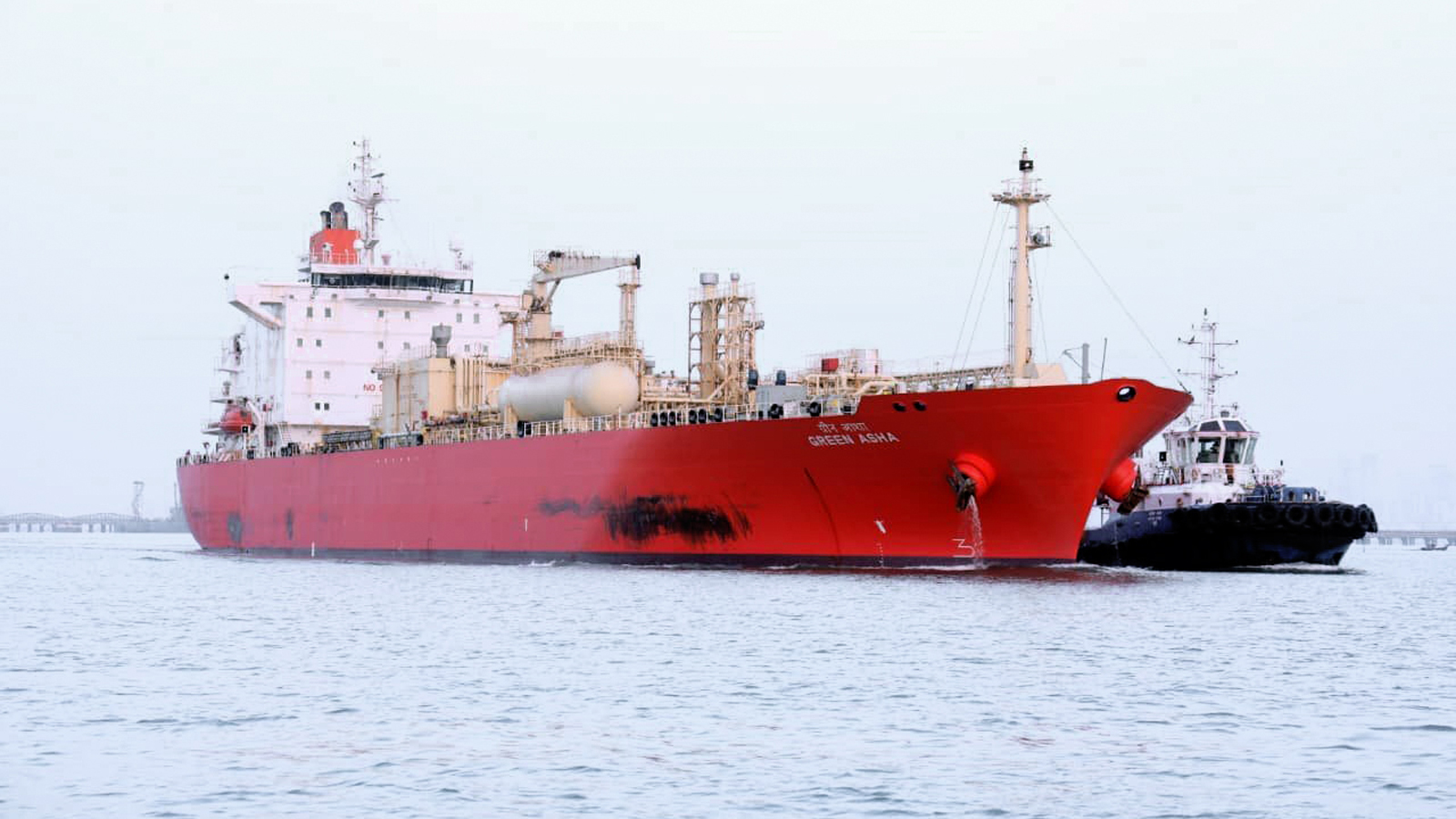
Amid evolving tensions in West Asia, the Government on Monday said all Indian seafarers in the region remain safe with no incidents involving Indian-flagged vessels reported in the past 24 hours, even as it reassured citizens about stable supplies of fuel, fertilisers and essential commodities across the country.
At an inter-ministerial briefing held in New Delhi, officials from key ministries outlined coordinated efforts to ensure domestic stability while closely monitoring developments in the Gulf region. The update on maritime safety came alongside confirmation that India continues to maintain uninterrupted port operations and has facilitated the safe repatriation of over 2,776 seafarers so far, including 12 in the last 24 hours.
The government emphasised that fertiliser availability remains strong, with stocks significantly exceeding current requirements. Against an estimated Kharif demand of 390.54 lakh metric tonnes (LMT), around 190 LMT – nearly 49 per cent of the requirement – is already available, compared to the usual 33 per cent at this stage. Supplies of key nutrients such as urea, DAP, NPK, MOP and SSP are well above demand levels, reflecting improved logistics and advance planning.
Despite a sharp surge in global fertiliser prices, the government has kept the maximum retail prices unchanged. Urea continues to be supplied at ₹266.5 per bag, even as international prices have crossed ₹4,000, underscoring continued subsidy support to shield farmers from volatility. Officials also noted that domestic production remains steady, supported by adequate gas supply to fertiliser plants, with imports further augmenting availability.
On the energy front, authorities reiterated that there is no shortage of petrol, diesel or LPG, urging citizens to avoid panic buying and rely on official communication. Public sector oil marketing companies are maintaining adequate stocks, and retail outlets are operating normally despite isolated instances of panic-driven demand.
To maintain supply stability, the government has implemented multiple measures, including enhanced refinery output, prioritised allocation of LPG to households and essential sectors, and increased availability of alternative fuels such as kerosene and coal. Enforcement actions against hoarding and black marketing have intensified, with more than 1,800 raids conducted nationwide in a single day, leading to penalties on over 300 LPG distributors and suspension of 71 agencies.
LPG distribution has been closely managed, with no reports of supply disruptions. Since April 1, around 19.5 lakh 5-kg cylinders have been sold, particularly benefiting migrant workers. Meanwhile, commercial LPG supplies have been restored to about 70 per cent of pre-crisis levels. Auto LPG consumption has nearly doubled, rising by about 95 per cent in April compared to earlier months.
The government is also accelerating the transition to cleaner fuels. PNG connections are being expanded rapidly, with over 5.5 lakh new connections activated since March and infrastructure created for an additional 2.63 lakh households. Several policy measures, including faster approvals for gas infrastructure and incentives for PNG adoption, are being rolled out to reduce dependence on LPG.
Crude oil supplies remain stable, with refineries operating at high capacity and maintaining sufficient inventories. To protect consumers from rising global prices, the government has reduced excise duty on petrol and diesel by ₹10 per litre, while increasing export levies on diesel and aviation turbine fuel to ensure adequate domestic availability.
On the international front, the government continues to prioritise the safety of Indian nationals in West Asia. A dedicated control room is operational, and Indian missions in the region are providing round-the-clock assistance. Since late February, over 13 lakh passengers have travelled from the region to India, with flight connectivity gradually improving. Airspace across several Gulf countries has partially reopened, and airlines, including Air India and IndiGo, are preparing to resume services from Qatar.
India has also stepped up diplomatic engagement in the Gulf. National Security Advisor Ajit Doval recently visited the United Arab Emirates, where he met President Mohamed Bin Zayed Al Nahyan to discuss regional developments and strengthen bilateral ties. The visit follows External Affairs Minister S. Jaishankar’s recent trip to the UAE, marking the second high-level engagement between the two countries within a month.
Officials said the government remains fully prepared to respond to any emerging challenges, with coordinated action across ministries and states aimed at ensuring economic stability, energy security and the safety of Indian citizens both at home and abroad.