






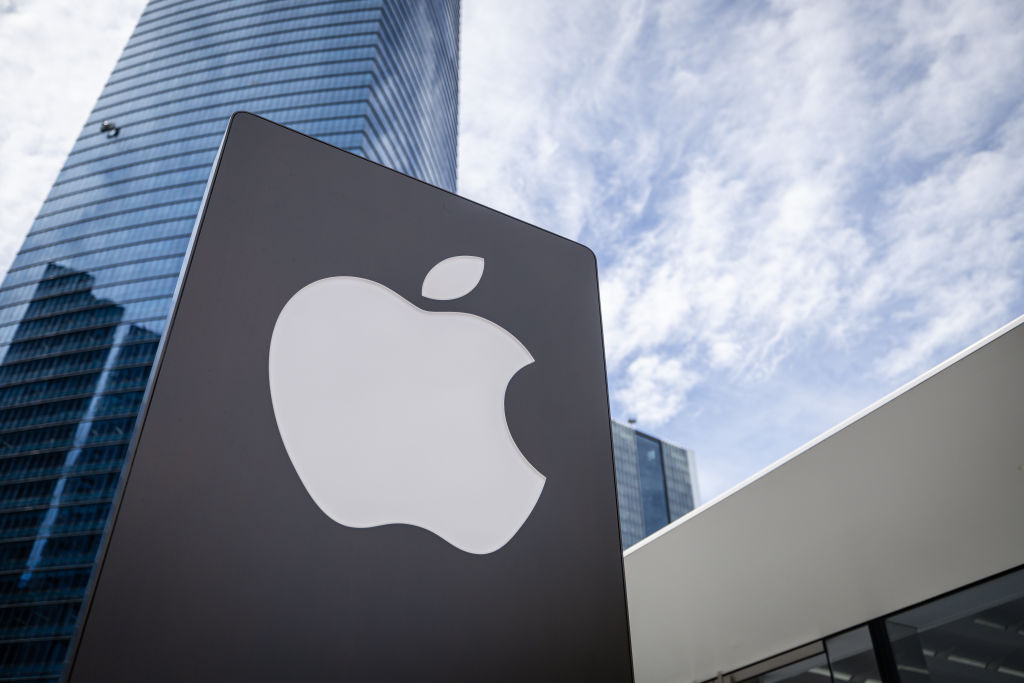
European Union antitrust regulators charged on Monday that Apple breached the bloc’s tech rules, a charge that could result in a hefty fine for the iPhone maker which also faces another investigation into new fees imposed on app developers.
The European Commission, which is also the EU’s antitrust and technology regulator, said it had sent its preliminary findings to Apple following an investigation launched in March.
The charge against Apple is the first by the Commission under its landmark Digital Markets Act which seeks to rein in the power of Big Tech and ensure a level playing field for smaller rivals. It has until March next year to issue a final decision.
DMA violations could result in a fine of as much as 10% of a company’s global annual turnover.
EU antitrust chief Margrethe Vestager cited issues with Apple’s new terms, saying that they fell short of complying with the DMA. Apple can avoid a fine if it can address the concerns by modifying its business terms.
“As they stand, we think that these new terms do not allow app developers to communicate freely with their end users, and to conclude contracts with them,” she told a conference.
She said it was up to Apple to decide how to comply with the DMA and not for her to tell the company what to do.
Apple said it had made a number of changes in the past several months to comply with the DMA after getting feedback from app developers and the Commission.
“As we have done routinely, we will continue to listen and engage with the European Commission,” it said in an email.
The Commission said under most of the business terms, Apple allows steering only through ‘link-outs’, meaning that app developers can include a link in their app that redirects the customer to a web page where the customer can conclude a contract.
It also criticised the fees charged by Apple for facilitating via the App Store the initial acquisition of a new customer by developers, saying they went beyond what was strictly necessary for such remuneration.
“We are confident our plan complies with the law, and estimate more than 99% of developers would pay the same or less in fees to Apple under the new business terms we created,” Apple said in its email.
NEW CONTRACTUAL REQUIREMENTS
The EU executive said it was also opening an investigation into the iPhone maker over its new contractual requirements for third-party app developers and app stores and whether these were necessary and proportionate.
At issue is its core technology fee, the multi-step user journey to download and install alternative app stores on iPhones and the eligibility requirements for developers to offer alternative app stores or directly distribute apps from the web on iPhones.
Apple rolled out the new fees in March in the EU, which include the core technology fee to major app developers even if they do not use any of its payment services, prompting criticism from “Fortnite” creator Epic Games and others.
Vestager also criticised Apple’s announcement last week that it would delay the launch of its AI-powered features of its AI-powered features in the EU which the company blamed on the DMA. Vestager said that it seemed that Apple suggested that its AI integration may be anti-competitive.
(Reuters)