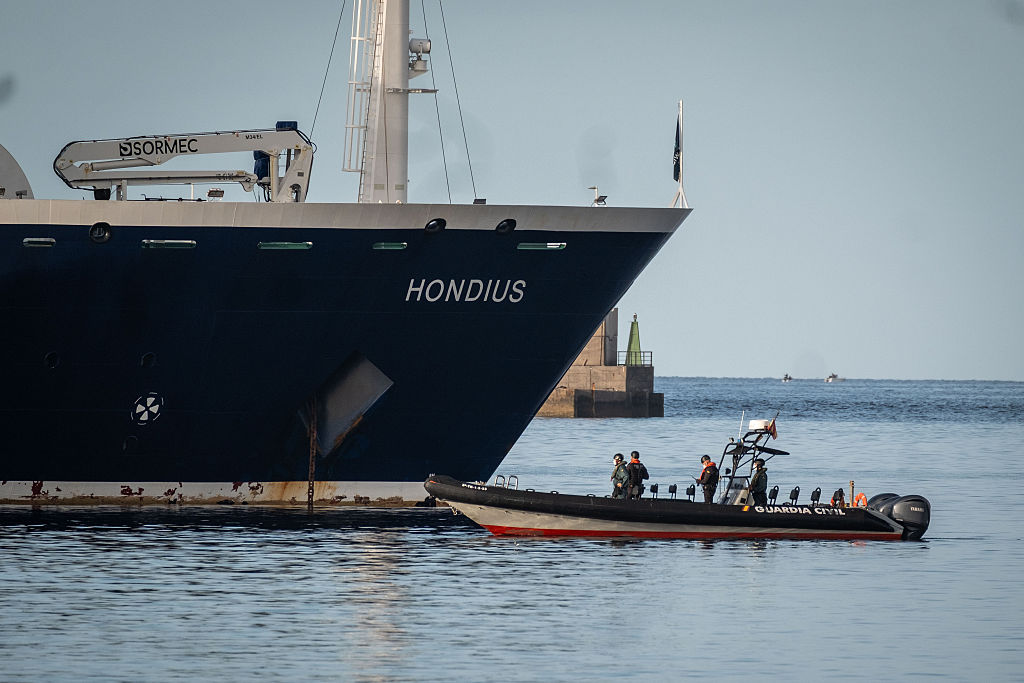
The Australian government said on Monday it would repatriate its citizens from a Dutch-flagged luxury cruise ship hit by a deadly strain of hantavirus, with the passengers to be quarantined after they arrive in the country.
Spain and France have evacuated their citizens from the MV Hondius, which has anchored near Tenerife, the largest of the Canary Islands, officials said, with flights to Canada, the Netherlands, Turkey, the UK, Ireland, and the United States slated to have left by Sunday night local time.
“We have agreed to repatriate a small number of Australians… and also one resident of another country to Australia for medical treatment,” Environment Minister Murray Watt told ABC News. He did not give the nationality of the extra person.
It was not known if any of the people being brought to Australia have fallen ill or were showing symptoms of the virus. The foreign ministry did not immediately respond to a request seeking more details about the evacuation.
Eight people no longer on the MV Hondius have fallen ill, according to a World Health Organization tally from Friday, of which six are confirmed to have contracted the virus. Three have died, a Dutch couple and a German national.
Spain’s health minister said the final two flights to evacuate passengers, one flight from Australia and another from the Netherlands, would depart on Monday afternoon local time.
New Zealand said discussions were ongoing with international partners on options to repatriate a New Zealander aboard the cruise ship. Director of Public Health Corina Grey said in a statement on Monday that the country’s health services had the capacity to support any quarantine measures if required.
The WHO has recommended a 42-day quarantine for all passengers though global health experts have urged calm, reminding a public scarred from the experience of the COVID-19 pandemic that this virus was far less contagious and posed little risk to the general population.
The virus, usually spread by rodents but also transmittable person-to-person in rare cases of close contact, was first detected by health officials in Johannesburg on May 2 treating a British man who fell ill and was taken into intensive care, 21 days after another passenger had died.
After the outbreak was detected, the vessel left for Spain on Wednesday from the coast of Cape Verde. It had sailed from the southern tip of Argentina across the southern Atlantic and up to the Cape Verde islands.
(Reuters)