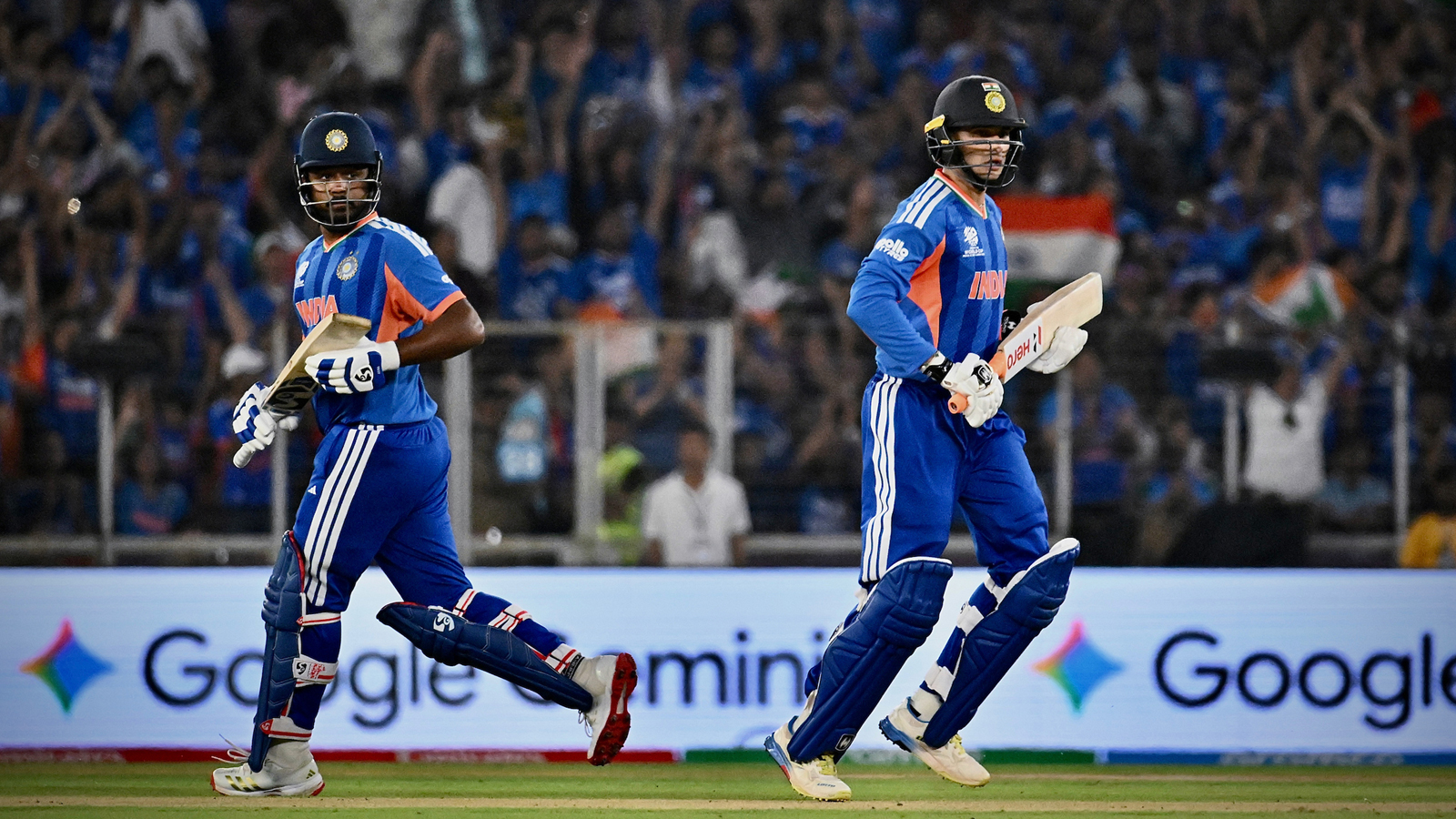
Twenty20 was designed to favour batters, but few anticipated the bowlers’ bloodbath that unfolded across four weeks in India and Sri Lanka at the just-concluded Twenty20 World Cup.
The 20-team tournament became a high-octane showcase of power-hitting, redefining the upper limits of scoring and rewriting what a “par” total looks like in this format.
A staggering 780 sixes were hit in this year’s tournament, a 50.87% jump from the 517 hammered in the 2024 edition in West Indies and the United States.
The 200-mark was breached a record 14 times and eventual champions India alone posted three of the four 250-plus totals in the tournament.
Flat tracks across both host nations combined with fearless intent pushed the collective batting strike rate to 134, the highest in tournament history and a stark indicator of where white-ball batting is heading.
As India muscled their way to a mammoth 255-5 in the final against New Zealand in Ahmedabad, former England captain Michael Vaughan took to X to say: “fantastic striking … but let’s be honest this isn’t a fair balance between Bat & Ball.”
New Zealand coach Rob Walter, however, saw little point in complaining about batting carnage if fans were enthralled.
“I guess it comes down to what you view as entertainment, really,” Walter told reporters.
“It seems to be the trend around the world that runs are the thing that people want to see. Of course, I believe you still want to have an even contest.”
That appetite for fours and sixes was reflected off the field as well.
The India-England semi-final in Mumbai shattered digital records, with ICC chairman Jay Shah noting on X a peak concurrency of 65.2 million viewers — the highest for any live event worldwide.
“It is tough, the bats are very good,” Walter said.
“The guys obviously practise hitting the ball far, and when the pitches give not much to the bowlers, it does make it very tough.
“But ultimately, if that’s the way the game’s going then the onus is obviously on the bowlers to develop their skills and develop them quickly.”
India’s Jasprit Bumrah is probably the template.
The seam-bowling genius, for the third time in a T20 World Cup, walked away with the best economy rate (6.21) of any player to have bowled 100-plus balls – a reminder that elite skill can still choke scoring even on highways.
“Bumrah is a once-in-a-generation bowler. I can call him a national treasure,” India captain Suryakumar Yadav said of his pace spearhead, who produced a match-winning haul in the final.
“He knows how it needs to be done. He is the best in the business.”
(Reuters)