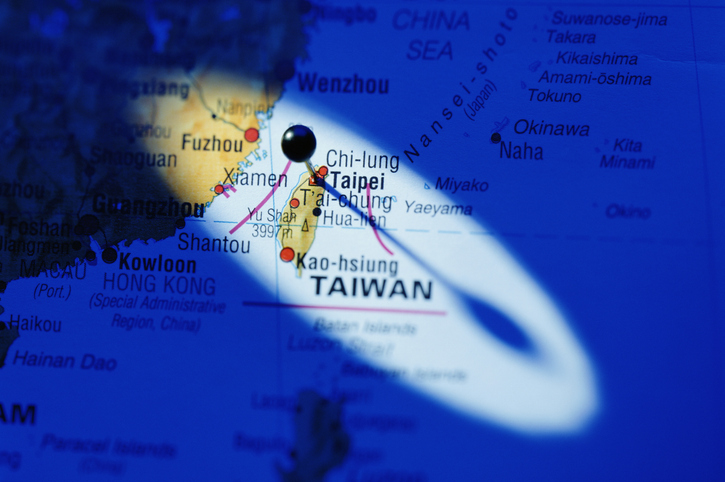
Taiwan’s Ministry of Foreign Affairs has strongly criticized China’s interference in international diplomacy, calling Beijing’s repeated objections to Taiwan’s legitimate interactions with other democratic nations “regrettable” and provocative. The statement comes in the wake of Chinese disapproval of a recent phone call between Taiwan President Lai Ching-te and US Representative Nancy Pelosi, as well as a US decision to sell $387 million worth of arms to Taiwan.
In a bold response, Taiwan urged Beijing to “be rational and have self-constraint,” emphasizing the normalcy of diplomatic exchanges between democratic countries. “The Republic of China (Taiwan) is an independent sovereign state, which has the right and free choice to interact and develop relationships with countries around the world,” the ministry said, asserting that Taiwan will not tolerate interference or suppression from any nation.
The criticism follows President Lai’s stopover in Hawaii en route to a seven-day visit to Taiwan’s allies in the Pacific. During his layover, Lai spoke with Pelosi, who reaffirmed the bipartisan support of the US Congress for Taiwan and advocated for Taiwan’s participation in international organizations.
China’s objections to the phone call and arms sale are seen as part of its broader campaign to isolate Taiwan internationally. Beijing, which claims Taiwan as part of its territory, has consistently lashed out at any moves suggesting Taiwan’s sovereignty.
Taiwan, however, continues to stand firm. “It is regrettable that the Chinese government does not understand normal diplomatic behaviors between democratic countries and thus frequently takes provocative actions,” the foreign ministry said, calling out China for its antagonistic stance.
Taiwan also thanked the US for its steadfast support, referencing the Taiwan Relations Act of 1979 and the “six assurances” of 1982. The Taiwan Relations Act commits the US to maintain cultural, commercial, and unofficial ties with Taiwan following Washington’s shift in diplomatic recognition from Taipei to Beijing. It also requires the US to provide Taiwan with defensive arms.
The six assurances, issued by then-President Ronald Reagan, further pledge that the US will not set a timeline to end arms sales to Taiwan or recognize Beijing’s sovereignty over Taiwan. These principles remain key pillars of US-Taiwan relations, especially in the face of growing Chinese aggression.
(Inputs from ANI)