The Bureau of Indian Standards (BIS) under the Department of Consumer Affairs has released a new Indian Standard, IS 20201:2026, aimed at strengthening the management of Community Seed Banks (CSBs) and promoting the conservation of indigenous crop varieties across the country.
Developed by the Biodiversity Sectional Committee under BIS’s Environment and Ecology Department, the standard establishes a structured framework for the operation and management of community seed banks, which play a key role in preserving traditional seed varieties and enhancing agricultural resilience.
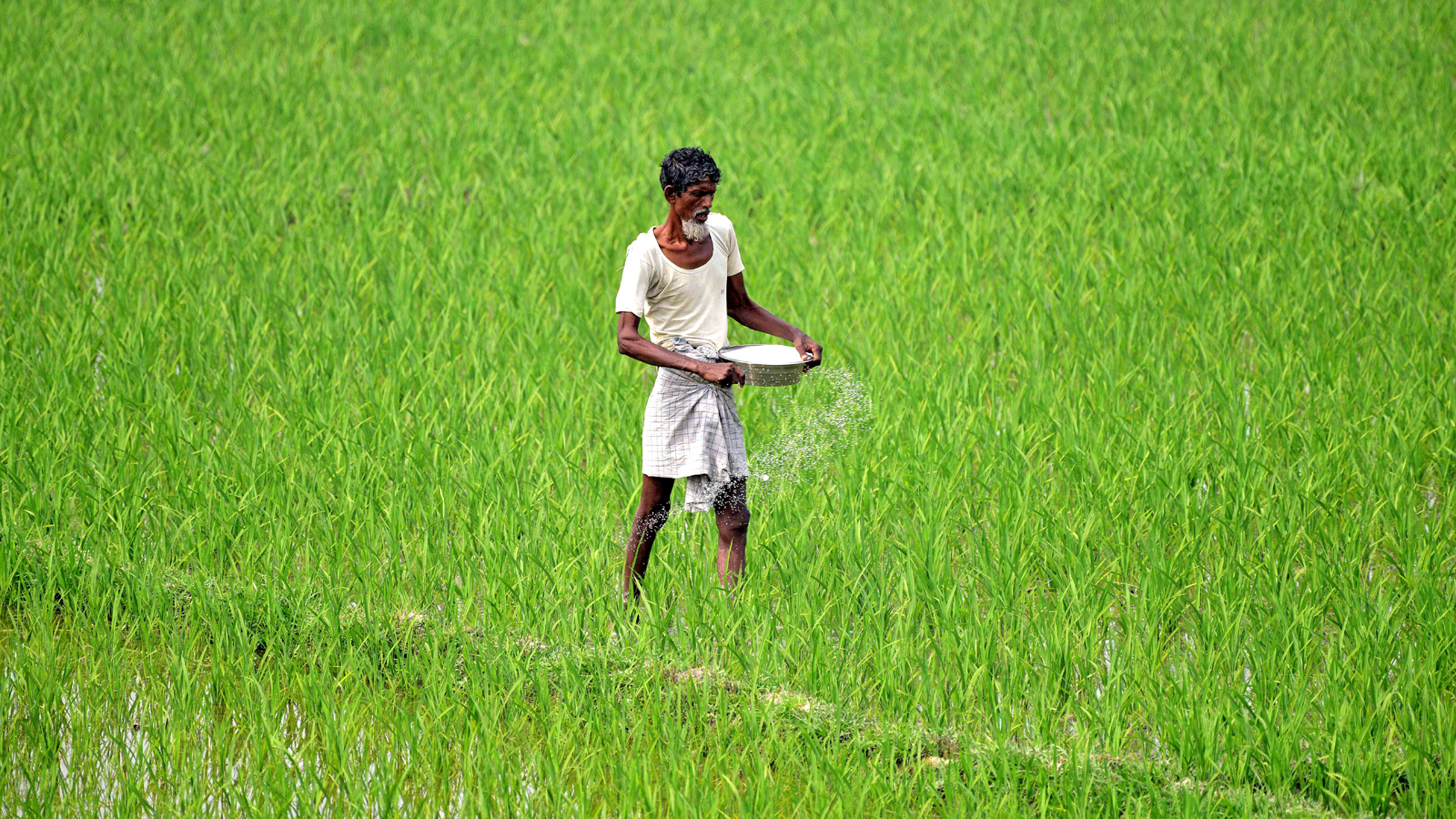
The new standard comes at a time when climate change is posing increasing challenges to agriculture through erratic rainfall, rising temperatures and prolonged droughts. Indigenous seed varieties, known for traits such as drought tolerance, disease resistance and nutritional value, are considered critical resources for ensuring long-term food and nutritional security.
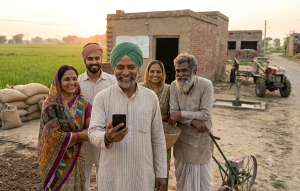
According to BIS, IS 20201:2026 provides standardised guidelines for community-led and decentralised seed banks, enabling farmers to collect, store, maintain and exchange quality seeds adapted to local conditions. The framework is expected to support the conservation of agricultural biodiversity while strengthening the resilience of farming communities.
The standard aligns with the government’s efforts to promote sustainable agriculture and preserve agrobiodiversity. It complements existing initiatives, including the National Food Security and Nutrition Mission (NFSNM), which provides financial assistance for establishing community seed banks, as well as provisions under the Protection of Plant Varieties and Farmers’ Rights Act, 2001 and the Biological Diversity Act, 2002.
The guidelines cover the entire lifecycle of seed bank operations, including organisational arrangements, seed collection and acquisition, viability testing, cleaning, drying, storage, documentation, quality assurance, seed regeneration, risk management and continuous improvement.
BIS said the standard will help create a reliable system for conserving traditional crop varieties and ensure that farmers continue to have access to seeds suited to local climatic and ecological conditions.
The draft standard was prepared under the convenorship of the ICAR-National Bureau of Plant Genetic Resources, with contributions from organisations including the National Biodiversity Authority, the Protection of Plant Varieties and Farmers’ Rights Authority, Rythu Sadhikara Samstha and the BAIF Development Research Foundation.
The standard is voluntary and certifiable. BIS has made IS 20201:2026 available free of cost through its official portal and has encouraged community seed banks, cooperative societies and other stakeholders in the agricultural sector to adopt the guidelines.
Established under the BIS Act, 2016, the Bureau of Indian Standards serves as the national standards body of India and is responsible for the development of standards and quality certification systems across sectors. Through its Environment and Ecology Department, BIS continues to support national goals related to environmental protection, sustainable resource management and climate resilience.