





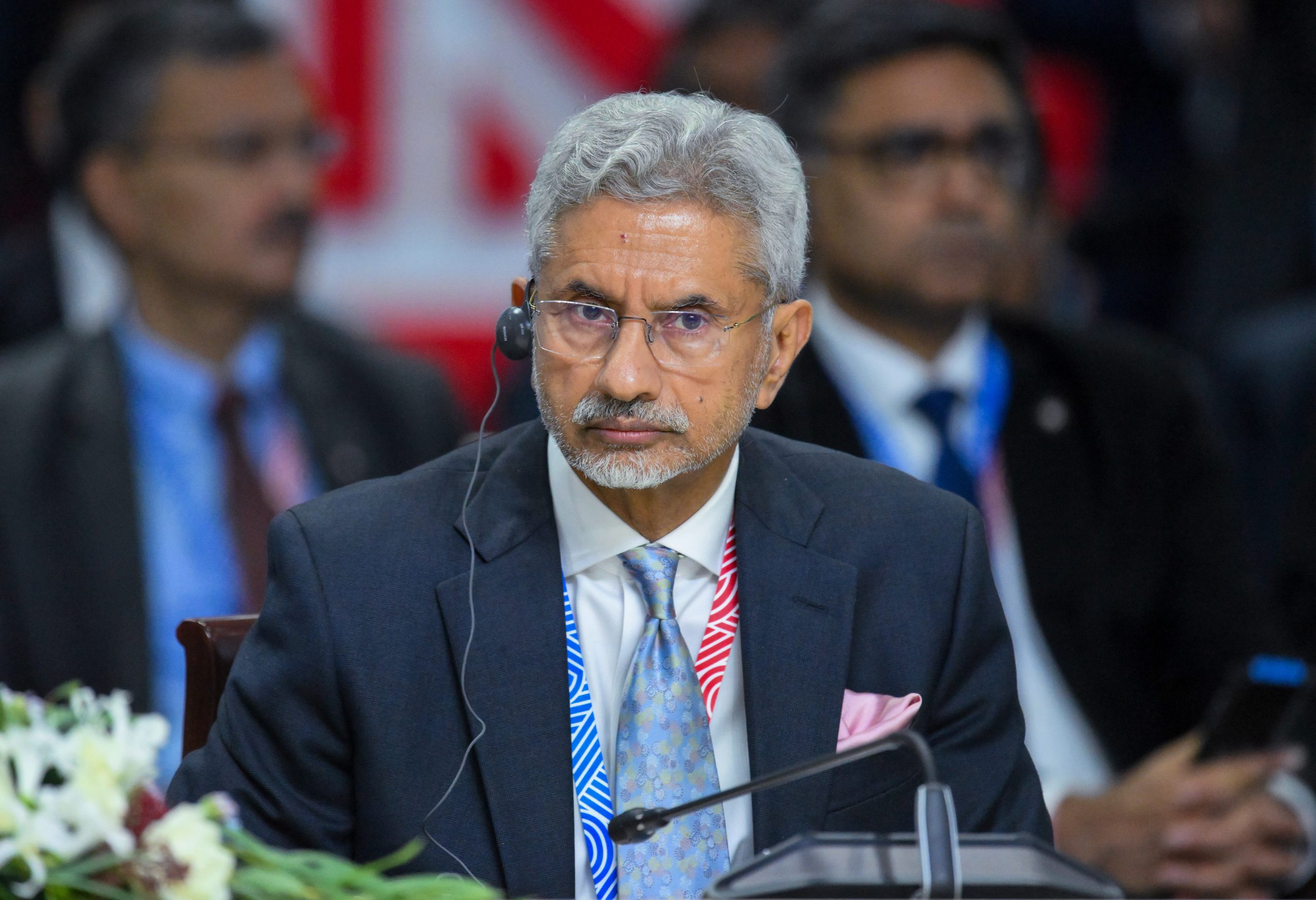
External Affairs Minister S. Jaishankar, addressing the 16th BRICS Summit in Kazan, emphasized the changing global order, asserting that BRICS represents the transformation from old power structures to a more equitable and multipolar world. Highlighting the rapid progress made by nations emerging from colonial rule, Jaishankar added their accelerating socio-economic development and growing capabilities.
“BRICS itself is a statement of how profoundly the old order is changing,” Jaishankar said. He pointed to the diversification of production and talent harnessing in newly independent nations, underscoring the economic and political rebalancing that now allows for a credible push toward multipolarity.
He stressed the importance of building independent global platforms to reduce overreliance on dominant powers, positioning BRICS as a key driver of change, especially for the Global South. “BRICS can make a significant difference by expanding independent platforms, widening choices, and minimizing undue reliance on systems that can be leveraged,” Jaishankar said.
Jaishankar also called for urgent reforms within established global institutions, including the United Nations Security Council. “Reforming the UN Security Council, both in permanent and non-permanent categories, is essential. The outdated procedures of multilateral development banks also need overhauling, and we appreciate Brazil’s leadership in advancing this during its G20 presidency,” he added.
The minister further advocated for democratizing the global economy by creating more decentralized production hubs, referencing the disruptions caused by the COVID-19 pandemic. “More resilient, redundant, and shorter supply chains are essential to meet regional needs and strengthen production capabilities,” he said.
Addressing the colonial legacy embedded in global infrastructure, Jaishankar stressed the need for inclusive connectivity solutions that respect sovereignty and territorial integrity. He added, “This must be a collective endeavor for the common good.”
Jaishankar cited India’s initiatives, including the Unified Payments Interface (UPI) and the Gati Shakti infrastructure program, as examples of models that could benefit other countries. He also highlighted India’s leadership in global platforms such as the International Solar Alliance, the Coalition for Disaster Resilient Infrastructure, the Global Biofuel Alliance, and the International Big Cat Alliance.
“As a First Responder in crises—whether natural disasters, health emergencies, or economic challenges—India is committed to doing its part,” he said.
Jaishankar accompanied Prime Minister Narendra Modi to the summit, which was hosted by Russian President Vladimir Putin. The leaders of BRICS countries held wide-ranging discussions focused on strengthening multilateralism, combating terrorism, fostering economic growth, and addressing the concerns of the Global South. The summit also welcomed 13 new partner countries, reflecting the bloc’s growing influence.
(Inputs from ANI)