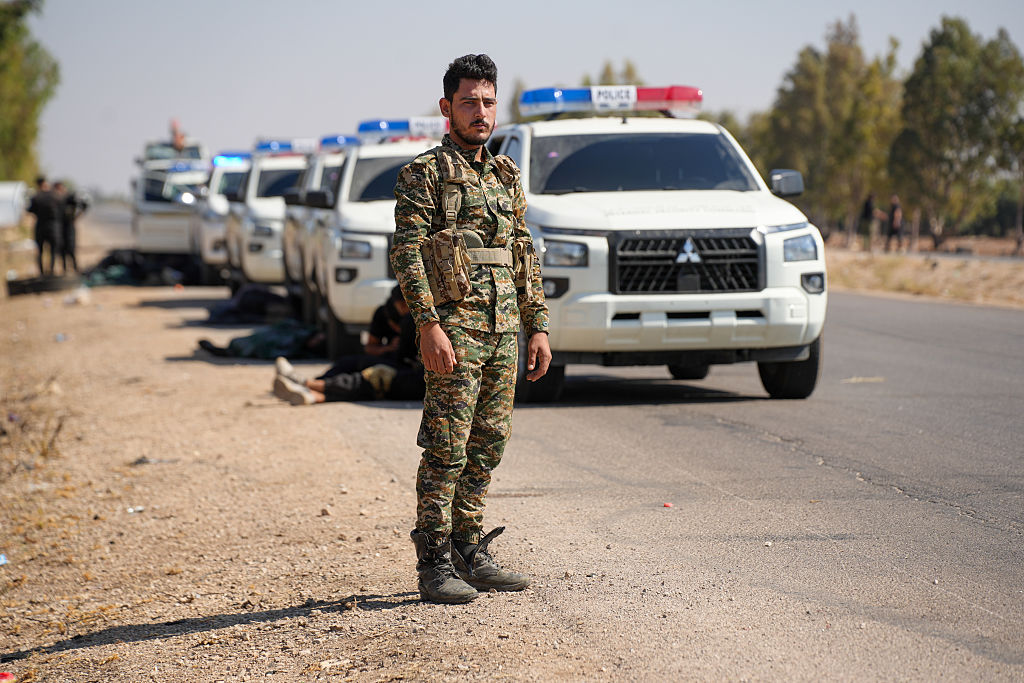
A tenuous ceasefire has taken hold in Syria’s Suwayda province after a week of sectarian violence between Druze fighters, Bedouin tribes, and government forces, which killed over 800 people, according to the Syrian Observatory for Human Rights (SOHR). Announced by President Ahmed al-Sharaa on July 19, the truce is holding, with security forces deployed to enforce peace and oversee the withdrawal of Bedouin fighters from Suwayda city. The conflict began on July 13, triggered by the abduction of a Druze merchant on the Damascus highway, escalating tensions in the Druze-majority province. Government forces, accused of siding with Bedouin fighters and committing abuses against Druze civilians, intensified the clashes. Israel responded with airstrikes on Syrian military targets, citing protection of the Druze minority.
A US-brokered ceasefire between Syria and Israel on July 18, followed by al-Sharaa’s comprehensive truce, has shown progress. Druze leader Sheikh Hikmat al-Hijri endorsed the agreement, calling for safe passage for Bedouin fighters and humanitarian aid for civilians. While earlier ceasefires failed, the latest has seen Bedouin fighters leave Suwayda city, with security checkpoints established.
Skepticism persists among some Druze leaders, wary of the government’s Sunni Islamist leanings. The UN and international actors, including the US and EU, welcomed the ceasefire but urged accountability for reported atrocities, including executions. The violence displaced many, with Suwayda’s hospitals overwhelmed, reporting over 300 casualties since last Monday.
Israel targeted the Syrian Defense Ministry headquarters and a site near the presidential palace, marking a rare escalation. Israeli Defense Minister Israel Katz warned of ‘painful blows’ if Syrian forces did not withdraw from the south President al-Sharaa’s interim government, in power since ousting Bashar al-Assad in 2024, faces challenges in unifying Syria’s diverse groups. The ceasefire’s success depends on enforcing security and addressing sectarian grievances to prevent further unrest.