






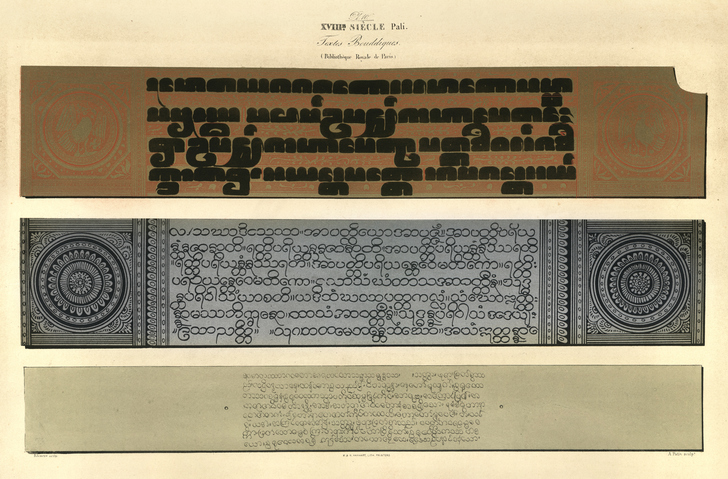
The Union Cabinet on Thursday officially granted classical language status to Marathi, Pali, Prakrit, Assamese, and Bengali, recognizing their historical and cultural significance.
This decision marks a significant addition to India’s classical language list, which was first established on October 12, 2004, with the declaration of Tamil as a classical language. The category was created to honor languages with a long and rich history, ancient literature, and cultural heritage.
The status of a classical language is granted based on specific criteria, including the language’s antiquity, with recorded texts dating back over a thousand years, a body of ancient literature considered a valuable heritage by generations, and an original literary tradition not borrowed from other linguistic communities.
The Linguistic Experts Committee (LEC), constituted by the Ministry of Culture under Sahitya Akademi in November 2004, reviewed and revised the criteria, leading to the declaration of Sanskrit as a classical language in 2005. Since then, Telugu (2008), Kannada (2008), Malayalam (2013), and Odia (2014) have also received classical language status.
Proposals from Maharashtra, Bihar, Assam, and West Bengal to recognize Marathi, Pali, Prakrit, Assamese, and Bengali were reviewed by the LEC. After extensive consultations, the committee, in a meeting held on July 25, 2024, unanimously recommended these languages for classical status.
The Ministry of Education has undertaken several initiatives to promote classical languages, including establishing three Central Universities in 2020 to promote Sanskrit and the Central Institute of Classical Tamil, which focuses on translating ancient Tamil texts and promoting research. Centers for Excellence for Kannada, Telugu, Malayalam, and Odia studies were also established under the Central Institute of Indian Languages in Mysuru.
The recognition of these languages as classical will open new avenues for employment in academics, research, archiving, translation, and digital media. Preservation and digitization of ancient texts will create job opportunities in these fields. The primary states benefiting from this initiative include Maharashtra (Marathi), Bihar, Uttar Pradesh, and Madhya Pradesh (Pali and Prakrit), West Bengal (Bengali), and Assam (Assamese).
Classical languages serve as vital custodians of India’s ancient cultural heritage, representing the historical milestones of various communities across the nation. This move is expected to bolster cultural pride and enhance academic engagement with these languages, both nationally and internationally.
(Inputs from ANI)