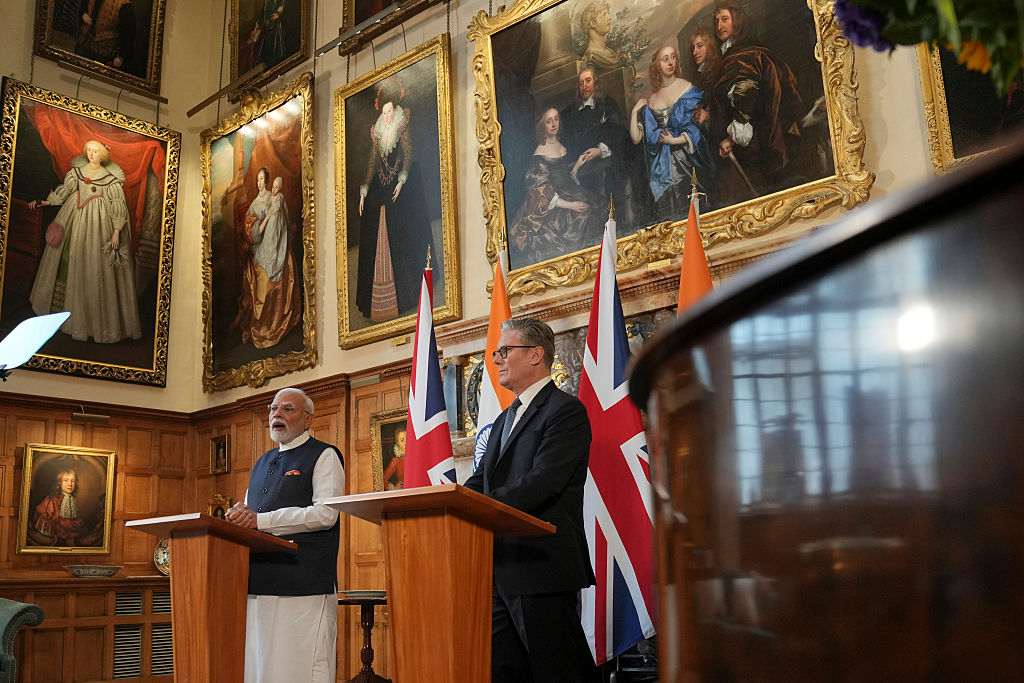
The India–UK Free Trade Agreement, also known as the Comprehensive Economic and Trade Agreement (CETA), marks a significant step in deepening bilateral trade and economic ties between India and the United Kingdom. By eliminating or reducing tariffs and enhancing market access, the agreement is poised to benefit a wide spectrum of Indian states based on their industrial and export specializations. This report synthesizes the state-wise benefits from the FTA, highlighting the key sectors and anticipated economic outcomes.
State-wise breakdown of expected benefits:
1. Maharashtra
•Key Sectors: Engineering goods, Pharmaceuticals, Apparel
•Benefits: Enhanced exports of auto components, generic medicines, and garments. Export hubs such as Pune, Mumbai, and Ichalkaranji are likely to gain from increased UK market access.
2. Gujarat
•Key Sectors: Pharmaceuticals, Chemicals, Engineering goods, Marine products
•Benefits: Ahmedabad’s pharmaceutical exports, Surat and Bharuch’s chemicals, Rajkot’s engineering goods, and Veraval’s seafood industry will benefit. MSMEs across the state will gain from simplified access to UK markets.
3. Tamil Nadu
•Key Sectors: Textiles, Leather, Engineering goods
•Benefits: Major gains are expected in apparel exports from Tiruppur, leather goods from Vellore, and auto components from Chennai. The FTA will improve price competitiveness in the UK.
4. Karnataka
•Key Sectors: Engineering goods, Electronics, Pharmaceuticals
•Benefits: Bangalore-based exporters of machinery and electronics will benefit from reduced duties. Pharmaceutical companies are also expected to expand exports due to improved access.
5. Andhra Pradesh
•Key Sectors: Marine products, Textiles
•Benefits: Substantial growth expected in shrimp and seafood exports from Visakhapatnam and Kakinada. Textile producers in the Guntur region will gain from increased demand in the UK.
6. Odisha
•Key Sectors: Marine products, Handicrafts
•Benefits: Seafood from Paradip and Balasore will find improved market access. There is also potential for traditional crafts to enter and thrive in the UK market.
7. Punjab
•Key Sectors: Textiles, Engineering goods
•Benefits: Ludhiana’s textile industry and auto parts manufacturers stand to benefit from the elimination of UK import duties.
8. West Bengal
•Key Sectors: Leather goods, Processed food, Tea
•Benefits: Kolkata’s leather industry, Darjeeling tea, and processed food exports will see growth due to increased demand in the UK.
9. Kerala
•Key Sectors: Marine products, Spices
•Benefits: Exporters of shrimp, tuna, and black pepper from Kochi and Alappuzha will gain from enhanced UK market demand.
10. Rajasthan
•Key Sectors: Handicrafts, Gems & Jewellery
•Benefits: Jaipur’s gems and jewellery sector and Jodhpur’s furniture and crafts industry will benefit from reduced tariffs and better UK market reach.
11. Delhi (NCR)
•Key Sectors: Apparel, Engineering, Jewellery
•Benefits: MSMEs in the Delhi NCR region will benefit from improved access to UK retailers for textiles and jewellery exports.
12. Haryana
•Key Sectors: Auto components, Textiles
•Benefits: Exporters from Gurgaon and Faridabad will benefit from zero-duty access for engineering and textile goods.
13. Uttar Pradesh
•Key Sectors: Handicrafts, Leather, Apparel
•Benefits: The FTA is expected to boost brassware exports from Moradabad, leather goods from Kanpur, and apparel from Noida.
Analysis and Outlook
The India–UK FTA is uniquely positioned to decentralize the economic benefits of international trade, spreading them across a broad geographical and sectoral spectrum in India. It is expected to:
•Significantly enhance export competitiveness.
•Provide a platform for MSMEs to integrate with global value chains.
•Promote job creation across manufacturing and export sectors.
•Strengthen India’s strategic economic partnership with the UK.
Furthermore, traditional industries such as handicrafts, spices, and processed foods will gain from exposure to premium UK markets, while high-tech sectors like pharmaceuticals and engineering goods will leverage tariff-free access to deepen their footprint.