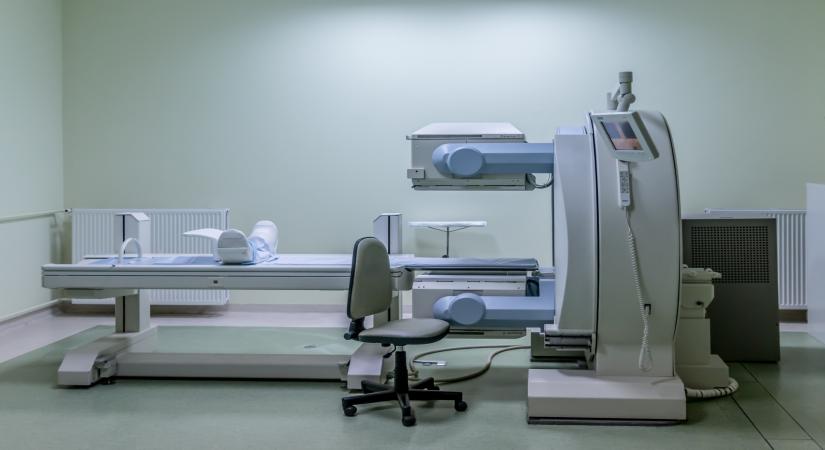
Repeated exposure to unnecessary CT (computed tomography) scans may increase cancer risk to a level comparable with alcohol consumption and obesity, a new study has found.
The research, conducted by scientists at the University of California-San Francisco (UCSF), estimated that radiation from CT scans contributes to about 5% of all cancer cases annually.
The study identified infants, children, and adolescents—particularly those under one year old—as the most vulnerable to scan-related cancers. However, adults remain at risk too, since they are the primary recipients of such scans, the researchers noted, warning against overuse and excessive radiation exposure.
In children, the most likely cancers linked to CT scan radiation are thyroid, lung, and breast cancer. Among adults, common CT-associated cancers include those of the lung, colon, bladder, breast, and leukemia.
“CTs can save lives, but their potential harms are often overlooked,” said Rebecca Smith-Bindman, a UCSF radiologist and lead author of the study.
“The findings place CT radiation exposure on par with other well-known cancer risks, such as alcohol use and excess body weight,” she added.
Published in JAMA Internal Medicine, the study estimated that around 103,000 cancer cases could result from the 93 million CT scans performed in the United States in 2023 alone. This is three to four times higher than earlier projections.
The researchers stressed that minimizing the number of CT scans, along with reducing radiation doses per scan, could help prevent thousands of cancer cases.
“Reducing both the frequency and intensity of CT imaging could save lives,” Smith-Bindman said.
While CT scans remain a crucial tool for diagnosing illnesses and detecting tumors, they expose patients to ionising radiation—a known carcinogen.
The findings were based on data from 93 million CT exams conducted on 61.5 million patients, with scan rates increasing significantly with age. Adults aged 60–69 accounted for the highest number of scans, while children represented 4.2% of the total scans conducted.
-IANS