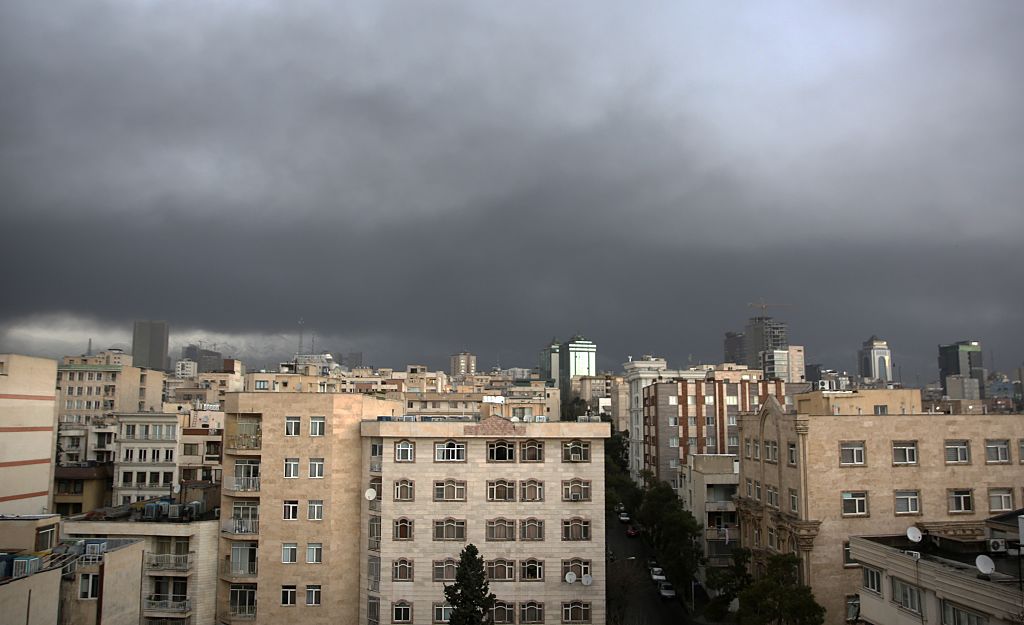
Residents of Delhi will receive a welcome respite from the scorching summer heat over the weekend as temperatures will remain below seasonal norms under the influence of cloudy skies and intermittent weather activity. However, the India Meteorological Department (IMD) has forecast a gradual rise in temperatures after Saturday, with maximum temperatures expected to inch upward in the coming days, signalling the return of warmer conditions across the national Capital.
The National Capital Region received much-needed relief from the scorching summer heat after strong winds, thunderstorms and light rain swept across parts of Delhi-NCR late on Thursday evening.
Friday also remained cloudy and comparatively cooler under the influence of a lingering western disturbance, bringing a significant drop in temperatures and improved air quality across Delhi-NCR.
According to the India Meteorological Department (IMD), the maximum temperature in Delhi fell by around 5 degrees Celsius over the past 24 hours. While no heatwave conditions were recorded on Thursday, the city had experienced intense heat just a day earlier, with temperatures soaring above 45 degrees Celsius at several locations.
On May 27, the mercury touched 45.6 degrees Celsius at Ridge, 44.4 degrees Celsius at Ayanagar and 44.3 degrees Celsius at Safdarjung.
Overall, Delhi witnessed a sharp decline of 7.5 to 9.4 degrees Celsius in maximum temperatures between Wednesday and Friday. The IMD stated that the maximum temperature is likely to remain lower until May 30 before gradually rising by 6 to 7 degrees Celsius over the following five days.
The city has already experienced two significant heatwave spells this summer. The first occurred between April 23 and 25, when several parts of Delhi recorded heatwave conditions for three consecutive days. However, Safdarjung, the city’s base weather station, registered only one official heatwave day on April 25, when the maximum temperature reached 42.8 degrees Celsius.
The second spell was recorded between May 18 and 21 in some areas of the city. Safdarjung again logged only one heatwave day during this period, on May 19, when the temperature touched 45.1 degrees Celsius.
On Friday, the maximum temperature at Safdarjung settled at 36.8 degrees Celsius, which was four degrees below the seasonal average and significantly lower than Thursday’s reading of 41.1 degrees Celsius. Despite the cooler conditions, humidity levels kept the “feels-like” temperature elevated at around 39.5 degrees Celsius during the afternoon hours.
Nevertheless, Friday emerged as the coolest day in the national Capital in the past three weeks, with lower temperatures last recorded on May 8.
The IMD has issued a yellow alert for Delhi on Saturday and Sunday, forecasting light rain, thunderstorms and strong winds. The department expects the relief from extreme heat to continue over the next two to three days before temperatures begin climbing again.
The weather change follows several days of severe heat during which temperatures crossed the 45-degree Celsius mark at multiple weather stations across the city. According to IMD data, maximum temperatures on Thursday were around 3 to 5 degrees Celsius lower than those recorded a day earlier.
Strong overnight winds accompanied the rainfall, with the highest wind speed of 61 kmph recorded at Palam. The thunderstorms and gusty winds not only provided relief from the heat but also contributed to a noticeable improvement in Delhi’s air quality.
The Commission for Air Quality Management (CAQM) reported that Delhi’s daily average Air Quality Index (AQI) improved significantly from 207 on May 28 to 123 on May 29. In view of the improved air quality and favourable meteorological conditions, the CAQM’s Sub-Committee on the Graded Response Action Plan (GRAP) revoked all actions under Stage-I across the NCR with immediate effect.
Meanwhile, the IMD, in its latest monsoon briefing, said that the southwest monsoon seasonal rainfall over India is expected to be around 90 per cent of the Long Period Average this year. While northeastern states are likely to receive normal rainfall during the monsoon season, most other parts of the country may witness below-normal precipitation.
–IANS