







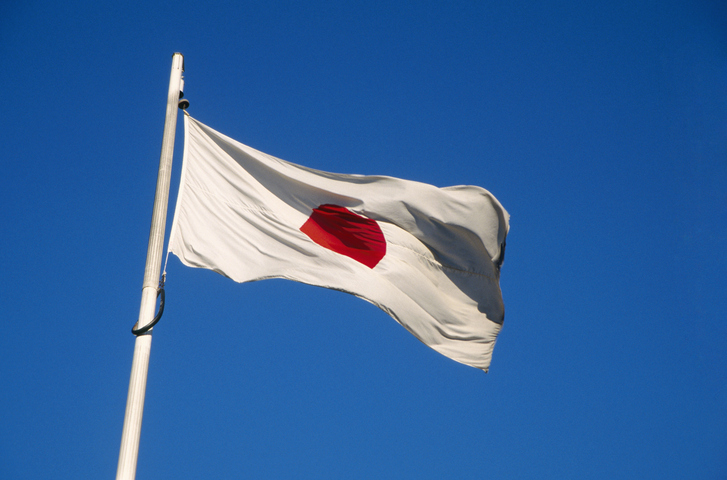
In a discussion organized by the Center for Diplomacy and Development, Kathmandu, in collaboration with the Japan Foundation, New Delhi, Nepali intellectuals and guests from India and Bangladesh deliberated on the growing emphasis on a Free and Open Indo-Pacific and its impact on strengthening Japan’s ties with South Asia. The discussions highlighted Japan’s increasing collaboration in green energy, digital technology, and sustainable development, which is likely to deepen partnerships in South Asia.
Japan and South Asia have developed multifaceted relations over decades, marked by historical connections, economic partnerships, cultural exchanges, and strategic collaborations.
Ambassador Mohan Krishna Shrestha, Chairman of the Center for Diplomacy and Development, Kathmandu, emphasized the pivotal role of Buddhism in the early ties between Japan and South Asia. He noted that Japanese monks and scholars have historically visited countries like India and Sri Lanka to study Buddhist scriptures. After Japan’s recovery following World War II, South Asia was among the first regions to extend diplomatic recognition and support.
Japan is a significant trading partner for South Asian countries, exporting machinery, electronics, and automobiles while importing textiles, raw materials, and food products. Major Japanese corporations like Toyota, Honda, and Suzuki have established manufacturing facilities across South Asia, particularly in India.
Professor Mina Vaidya Malla, Program Officer at the Japan Foundation, New Delhi, highlighted that Japan has been one of the largest aid donors to South Asia through Official Development Assistance (ODA), offering support without imposing rigorous conditions. Key projects funded by Japan include the Delhi Metro, infrastructure development in Bangladesh such as the Matarbari Port project, and hydropower and earthquake resilience initiatives in Nepal.
Dr. Abdullah-Al-Mamun, Executive Director of the Pan Asia Research Institute in Japan, suggested that programs like the Japan Exchange and Teaching (JET) Program and scholarships attracting South Asian students to Japanese universities exemplify Japan’s soft diplomacy. He noted the growing popularity of Japanese pop culture, including anime and manga, in South Asia, while Japan has also shown interest in South Asian art, cuisine, and literature.
Dr. Mamun also emphasized the strategic importance of balancing relations with China, especially in South Asia, where China’s Belt and Road Initiative (BRI) has a significant presence. For both Japan and Nepal, managing this balance has become crucial in maintaining stable regional relations.