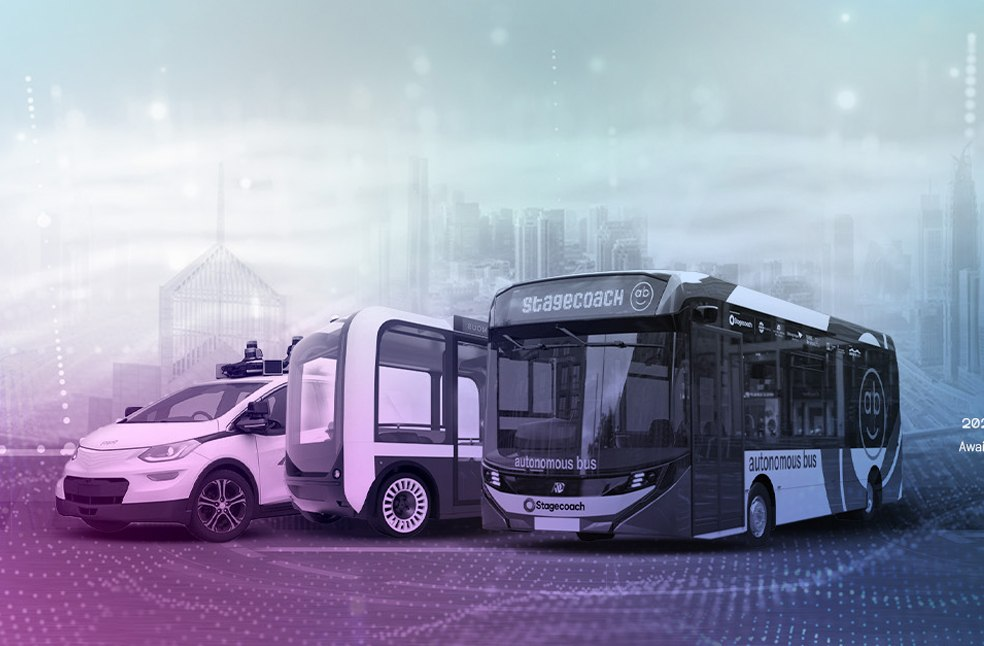
Dubai’s Roads and Transport Authority (RTA) has announced the launch of the Dubai Autonomous Zone (DAZ), a 15-kilometer dedicated corridor for driverless vehicles and marine transport, set to become operational in early 2026. The initiative, unveiled at the Dubai World Congress for Self-Driving Transport, supports the emirate’s goal of making 25% of daily trips autonomous by 2030.
The zone will cover Al Jaddaf Metro Station, Dubai Creek Harbour, and Dubai Festival City, offering commuters a seamless network of self-driving options including the driverless Metro, RoboTaxis, RoboBuses, autonomous shuttles, delivery robots, logistics vehicles, road-sweeping bots, and even autonomous abras for water crossings. “This is a glimpse into the future of mobility, where everything from taxis to street cleaners operates autonomously and interconnects for efficiency,” said Ahmed Bahrozyan, CEO of RTA’s Public Transport Agency.
Trials for RoboTaxis are scheduled to begin by the end of 2025 aiming for 1,000 vehicles on the road by 2028. Uber is also collaborating with RTA and WeRide to integrate autonomous cars into its fleet, with pilot services launching in 2025.RTA officials stressed that safety remains the top priority, with more than 50 autonomous vehicles currently testing in areas like Jumeirah to collect real-world data. Abu Dhabi’s TXAI program, which has logged 430,000 kilometers without major incidents, was cited as an encouraging model.
For commuters, the initiative could mean shorter travel times, lower costs, and smoother intermodal connections, while app-based booking for RoboTaxis is expected to roll out in early 2026. The system is also designed to improve accessibility for elderly and disabled users and to cut emissions by shifting to electric fleets. Expansion of the zone beyond the initial 15 kilometers is expected once operations prove successful, with future integration into hyperloop and flying taxi networks under consideration.