Print

El Nino weather pattern likely to swing back to La Nina this year: UN weather agency

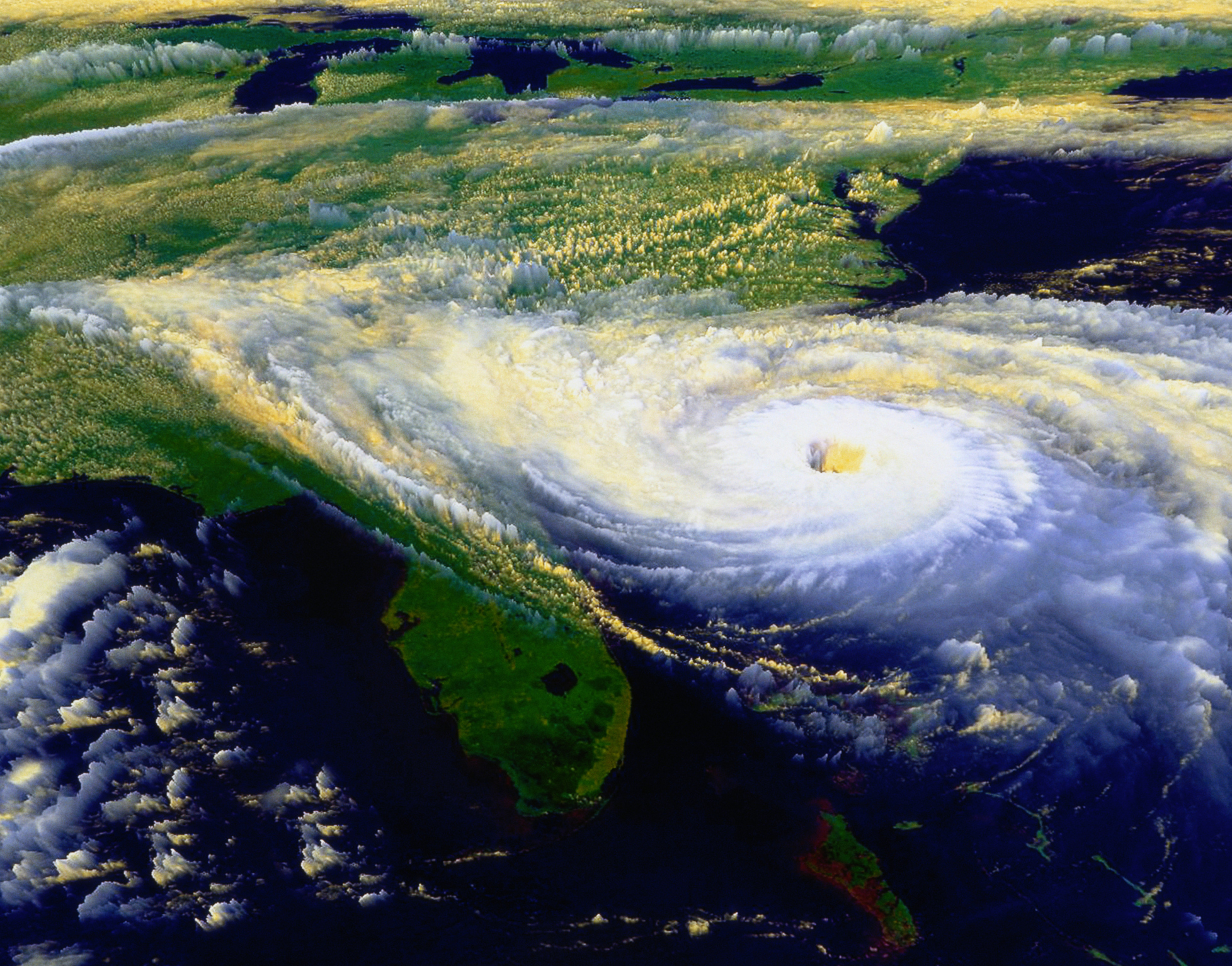
The El Nino weather pattern that can cause extreme events such as wildfires and tropical cyclones is forecast to swing back into generally cooler La Nina conditions later this year, the World Meteorological Organization (WMO) said on Monday.

El Nino is a naturally occurring warming of ocean surface temperatures in the eastern and central Pacific, while La Nina is characterised by cold ocean temperatures in the equatorial Pacific region and is linked to floods and drought.

WMO said there was a 60% chance that La Nina conditions would take hold between July to September, and a 70% chance of them occurring between August and November.

“The end of El Nino does not mean a pause in long-term climate change as our planet will continue to warm due to heat-trapping greenhouse gases,” said WMO Deputy Secretary-General Ko Barrett.

“Exceptionally high sea surface temperatures will continue to play an important role during the next months.”

The past nine years have been the warmest on record despite the cooling effect of La Nina that spanned from 2020 to early 2023, according to WMO.

(Reuters)

RELATED ARTICLES

06/11/26 | 1:41 pm | 90 million displaced people

90 million displaced people at risk from climate threats, UN refugee agency says

Nearly 90 million forcibly displaced people are living in countries increasingly exposed to climate-related droughts, floods and extreme heat, the UN refugee agency said on Friday, warning ahead of the COP31 climate summit that more funding is needed...

05/11/26 | 3:14 pm | Cyclone Murasu

Cyclone Murasu impact subsides across Andhra

The impact of severe cyclonic storm Murasu has considerably weakened across Andhra Pradesh, with rainfall activity subsiding in most parts of the state and no heavy rainfall warning currently in force, state emergency operations centre said on Thursd...

04/11/26 | 10:59 am | Meghalaya cave stalagmite sheds light

Meghalaya cave stalagmite sheds light on 6,000-year monsoon shifts in NE India: Study

A 6,000-year climate record preserved in a stalagmite in Meghalaya's Mawsmai Cave has provided evidence of long-term changes in monsoon intensity in northeastern India, with researchers identifying links between ancient rainfall patterns, global clim...