The National Statistics Office (NSO) under the Ministry of Statistics and Programme Implementation (MoSPI) has released its latest annual publication, Energy Statistics India 2026, presenting a comprehensive overview of the country’s energy sector, including reserves, production, consumption and trade of key energy resources.
The 33rd edition of the report provides an integrated dataset covering coal, lignite, petroleum, natural gas and renewable energy, along with analytical tools such as energy balance tables, Sankey diagrams and internationally benchmarked sustainable energy indicators.
According to the report, India’s Total Primary Energy Supply (TPES) grew by 2.95% in FY 2024-25 to reach 9,32,816 kilo tonnes of oil equivalent (KToE), reflecting steady expansion in energy demand alongside economic growth.
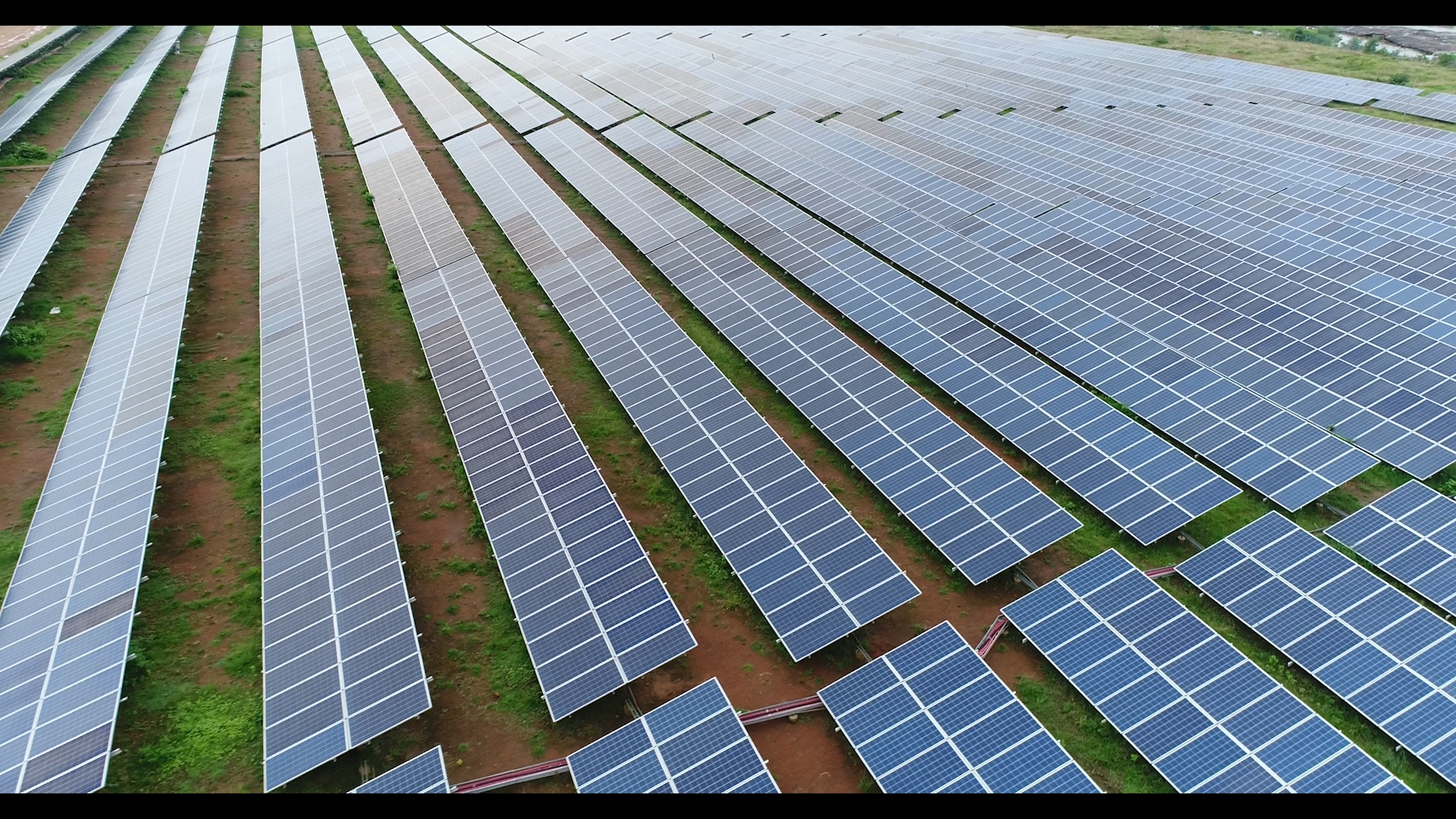
A major highlight of the publication is the rapid growth in renewable energy potential, which reached 47,04,043 megawatts as of March 31, 2025. Solar energy dominates this segment, accounting for nearly 71% of the total potential, followed by wind power and large hydro projects. Over 70% of this potential is concentrated in six states – Rajasthan, Maharashtra, Gujarat, Andhra Pradesh, Karnataka and Madhya Pradesh.
Installed renewable energy capacity has also seen significant growth, rising from 90,134 MW in 2016 to 2,29,346 MW in 2025, registering a compound annual growth rate (CAGR) of 10.93%. Similarly, electricity generation from renewable sources increased from 1,89,314 GWh in FY 2015-16 to 4,16,823 GWh in FY 2024-25.
The report notes a steady rise in per capita energy consumption, which increased from 15,296 megajoules per person in FY 2015-16 to 18,096 megajoules in FY 2024-25. At the same time, efficiency improvements have reduced transmission and distribution losses from around 22% to 17% over the same period.
Coal continues to remain the dominant energy source in India, with supply increasing from 3,87,761 KToE in FY 2015-16 to 5,52,315 KToE in FY 2024-25. Other sources such as crude oil and natural gas have also shown consistent growth.
Total Final Consumption (TFC) of energy across sectors rose by over 30% during the same period, reaching 6,08,578 KToE in FY 2024-25, indicating expanding industrial and consumer demand.
The publication also highlights a sharp rise in credit flow to the energy sector, which increased more than sixfold – from ₹1,688 crore in 2021 to ₹10,325 crore in 2025 – signaling growing investment in energy infrastructure.
This year’s edition includes several new features, such as data on credit flow to energy sectors, global energy statistics, detailed coal consumption patterns, electricity usage in industries based on the Annual Survey of Industries, and data on aviation and marine fuel consumption. It also standardises end-use sectors across energy commodities to improve data consistency.