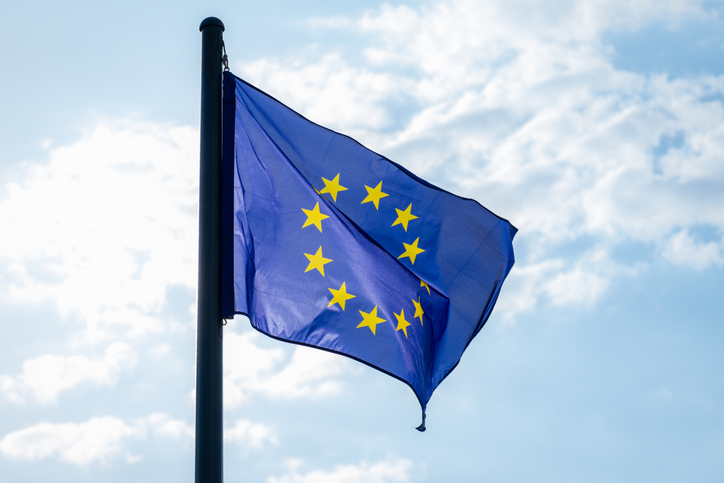
The European Court of Auditors said on Monday the EU’s efforts to diversify its imports of metals and minerals critical to tech, defence and the energy transition had “yet to produce tangible results”.
The EU’s Critical Raw Materials Act in 2024 set a plan to boost local production of 34 strategic materials to reduce an over-reliance on imports from just a few countries – mainly China, Turkey and Chile.
The list includes lithium, antimony, tungsten, copper and rare earth elements needed to manufacture products such as semiconductors, wind turbines and artillery shells.
‘OUTLOOK NOT PROMISING’
The act set non-binding targets for 2030, by which time the EU should extract 10% of the minerals it requires, boost recycling capacity for those materials to 15% and be able to process 40% of its annual needs of each strategic raw material.
“The outlook is not promising: as things stand, seven out of 26 materials needed for the energy transition have recycling rates between 1% and 5%, while 10 are not recycled at all,” the ECA said in a report, blaming a lack of material-specific incentives.
“Processing capacities – for which the EU aims to reach 40% of its consumption by 2030 – are shutting down, partly due to high energy costs which can seriously hamper competitiveness.”
Further, the EU’s strategic partnerships for raw materials with third countries have yet to show any gains.
“The EU has signed 14 strategic partnerships on raw materials over the last five years, seven of them in countries with low governance scores. Imports from these partner countries fell between 2020 and 2024 for around half of the raw materials examined,” the ECA said.
The Commission proposed a new plan in December called RESourceEU to accelerate the CRMA but many details have yet to be implemented or announced. The plan includes export restrictions on rare earth waste – to address the Chinese near-monopoly – and a plan to invest 3 billion euros ($3.55 billion) to fast-track some strategic material projects.
EU ministers will meet in Cyprus this week to discuss the bloc’s declining competitiveness versus American and Chinese rivals.
Underlining the importance of such materials, U.S. President Donald Trump is set to launch a strategic critical minerals stockpile with $12 billion in seed money from the U.S. Export-Import Bank, a Trump administration official familiar with the plan said.
(Reuters)