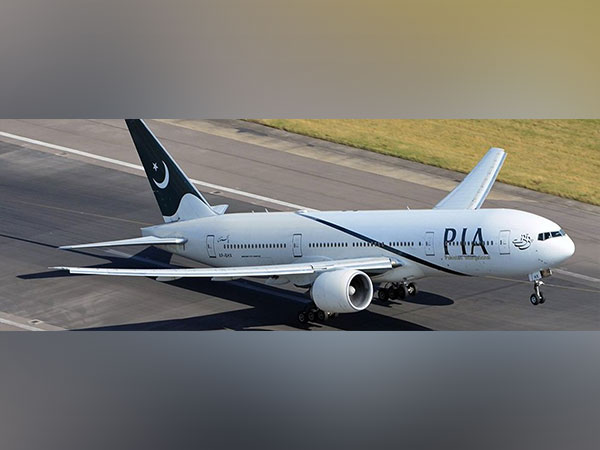
The European Union (EU) has reaffirmed its decision to maintain the ban on Pakistani air carriers, including the flagship Pakistan International Airlines (PIA), following a comprehensive safety review.
This decision follows an extensive assessment by the EU Air Safety Committee, which included an on-site evaluation of the Pakistan Civil Aviation Authority (PCAA) and sample assessments of two Pakistani carriers, Fly Jinnah and Airblue Ltd.
“Safety is our top priority,” said a high-ranking EU official who wished to remain anonymous. “While we appreciate Pakistan’s efforts, our evaluations reveal that significant work remains to be done to meet international safety standards.”
The on-site evaluation, conducted last November, primarily scrutinized the PCAA’s oversight capabilities. While assessors acknowledged the authority’s commitment to safety and the technical proficiency of its personnel, they identified several critical deficiencies.
Key issues included inadequate scrutiny in closing findings, with the PCAA often relying on proposed corrective actions rather than concrete evidence. Deviations from established procedures were also noted, along with significant understaffing within the Flight Standards Directorate.
“It’s not just about having rules; it’s about consistently applying them,” the official added. “Understaffing in critical areas like Flight Standards is particularly concerning.”
However, the assessment found no major safety concerns regarding airworthiness or personnel licensing. Fly Jinnah, one of the assessed carriers, was urged to improve its record-keeping and management of findings.
In response, the PCAA presented a comprehensive Corrective Action Plan on May 6. During a hearing before the EU committee last month, they outlined measures taken, including a significant increase in qualified inspectors—from one to nineteen—within the Flight Standards Directorate. They also established Quality Control sections in each department and a central Quality Assurance department.
Fly Jinnah representatives also outlined operational enhancements, including using software tools and outsourcing certain activities to Air Arabia to rectify flaws in its quality management system.
“We appreciate Pakistan’s proactive approach,” the EU official said. “But these changes need time to take root and show consistent results.”
The EU committee emphasized the need for continuous monitoring, planning regular technical meetings in Brussels and requesting periodic progress reports from the PCAA. They also stressed the importance of sustained government support and stable leadership within the PCAA.
For now, the ban on Pakistani air carriers remains. EU member states have been instructed to conduct ramp inspections to verify compliance, with the Commission warning that any indication of imminent safety risks could prompt further action.
This decision is a significant blow to Pakistan’s aviation sector, particularly PIA, which has been seeking to re-enter the lucrative European market. The national carrier’s struggles reflect the broader challenges facing the country’s aviation industry.
“It’s disappointing,” said a PIA spokesperson. “We’ve been working tirelessly to meet EU standards. This decision hurts not just our airline, but Pakistan’s global connectivity and economic interests.”
(With ANI input)