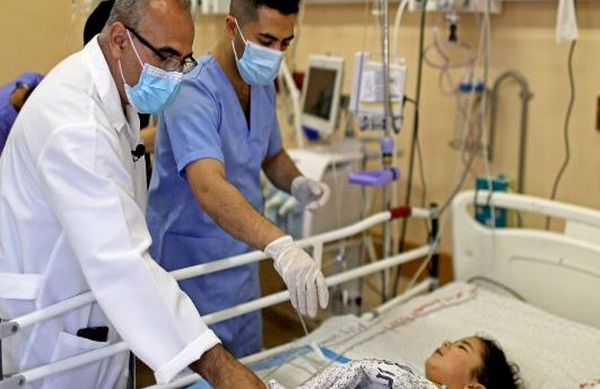
With Israel imposing a total siege on Gaza in response to a surprise attack by Hamas on October 7, reports have emerged highlighting the significant challenges facing the healthcare system in the region. A spokesperson for the World Health Organization said on Tuesday that due to severe shortages of essential supplies and electricity, some children in Gaza are undergoing surgeries without access to anesthesia, including amputations and brain surgeries.
Hospitals in the Gaza strip are grappling with severe shortages of electricity and vital medical supplies, pushing medical professionals to make heart-wrenching decisions regarding ventilator use, medical treatments, and resuscitation efforts.
Veterans of wartime medicine in Gaza have described the current conditions in the overcrowded and impoverished territory as exceptionally dire. The conflict has resulted in the damage or destruction of entire apartment buildings, schools, and hospitals.
Basem al Najjar, deputy head of Al-Aqsa Hospital in Deir al-Balah, central Gaza, expressed the physical and psychological exhaustion faced by medical teams. Some doctors have remained at the hospital for extended periods, and others have faced personal tragedies due to the ongoing conflict. Three hospital staff members have lost their lives due to the Israeli bombardment.
The blockade by Israel has led to severe shortages of fuel, food, water, medicine, and other essential goods. Much of Gaza is without electricity as Israel has cut off the power supply, and the main power plant ran out of fuel nearly four weeks ago. Fuel deliveries are being delayed, and humanitarian aid entering the territory is sharply limited.
With limited medical supplies, doctors in Gaza are struggling to provide care to patients. Nearly half of Gaza’s hospitals have been shuttered due to damage from airstrikes and severe fuel shortages. The remaining hospitals can only offer minimal care at best.
The lack of access to fresh water supplies and iodine has left wounds unclean, with patients’ injuries at risk of infestation. Proper sanitation for patients, wound cleaning, and bedsheet changes have become increasingly challenging for medical staff.
In some hospitals, medical personnel face the difficult choice of not resuscitating patients in cardiac arrest, as they prioritize those with a higher likelihood of survival. Critical injuries often result in limited access to hospital beds, ventilators, or anesthesia, even for complex procedures such as brain surgeries, with a shortage of anesthesia supplies for the past two weeks.
Furthermore, hospitals have taken on the role of temporary orphanages, as children arrive at healthcare facilities after losing their entire families in the conflict or witnessing their parents’ tragic deaths on hospital gurneys or floors.
(Inputs from ANI)