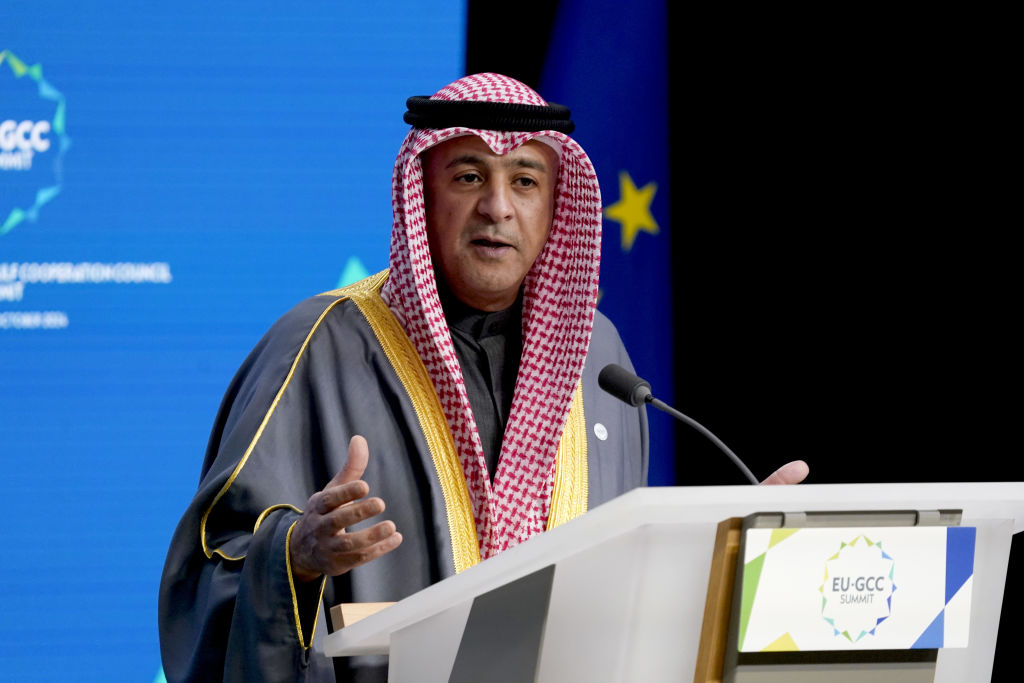
GCC countries are calling for direct involvement in upcoming U.S.-Iran talks as concern grows over President Donald Trump’s decision to extend the pause on strikes against Iranian energy infrastructure until April 6.
GCC Secretary-General Jasem Al-Budaiwi said Gulf states should be included in negotiations to help safeguard regional stability, amid fears that the diplomatic window could allow Tehran to strengthen its position in the Strait of Hormuz while missile and drone threats remain unresolved.
Leaders in Riyadh and Abu Dhabi fear a hasty agreement that focuses on reopening shipping lanes without addressing broader security concerns. UAE diplomatic adviser Anwar Gargash stressed the need for severe restrictions on Iran’s missile and drone capabilities as part of any settlement.
The calls come as frustration grows across the Gulf over continued security risks and economic pressures. Qatar has declared force majeure on some LNG exports following regional disruptions, while Saudi Arabia has moved to deepen coordination with U.S. forces, including expanded cooperation at key airbases.
Gulf officials say the growing security threat is also driven by concerns over economic stability and long-term development plans. Regional leaders fear that attacks targeting major commercial hubs such as ports and airports could undermine investor confidence and disrupt economic diversification initiatives, including Vision 2030 strategies across the Gulf.
Energy security remains another major concern. Despite the U.S. pause on Iranian energy targets, Gulf infrastructure continues to face risks. Qatar has recently declared force majeure on some LNG exports, while Kuwait has reported power disruptions, adding to pressure for a decisive resolution rather than a prolonged standoff. Within the GCC, Oman continues to advocate for diplomacy and has maintained support for the 15-point peace framework.
Muscat has urged continued dialogue, warning that escalation could trigger wider instability across West Asia. However, the broader regional mood appears to be shifting toward a more assertive posture, reflecting growing impatience as tensions persist and economic risks mount.