Climate change has driven record-breaking outbreaks of fire in Africa, Asia and elsewhere this year, with conditions expected to get worse as the northern hemisphere’s summer approaches and El Nino weather patterns kick in, scientists warned on Tuesday.
Fires from January to April have already caused unprecedented levels of damage, burning more than 150 million hectares (370.66 million acres) of land, 20% more than the previous record, according to data compiled by World Weather Attribution, a research group that studies the role played by global warming in extreme weather events.
The researchers said temperature records could be broken this year, causing widespread drought as well as fires, with the impact of human-induced climate change compounded by an especially strong “El Nino” effect.
“Whilst in many parts of the world the global fire season has yet to heat up, this rapid start, in combination with the forecast El Nino, means that we’re looking at a particularly severe year materialising,” said Theodore Keeping, a wildfire expert at Imperial College London and part of the WWA group.
As much as 85 million hectares of land have burned in Africa so far this year, 23% more than the previous record of 69 million hectares, he said.
The unusually high fire activity in Africa is being driven by rapid shifts from extremely wet to extremely dry conditions, he said.
High rainfall produced more grass during the previous growing season, creating an abundance of fuel to feed the drought- and heat-induced savannah fires of the last few months.
EL NINO CONDITIONS DUE THIS MONTH
Asian fires have burned as much as 44 million hectares of land so far this year, nearly 40% more than the previous record year of 2014, with India, Myanmar, Thailand, Laos and China among the worst hit, Keeping said.
He warned that wildfire risks could worsen later this year, with El Nino increasing the likelihood of severe heat and drought in Australia, Canada, the United States and the Amazon rainforest.
“The likelihood of harmful extreme fires potentially could be the highest we’ve seen in recent history if a strong El Nino does develop,” he said.
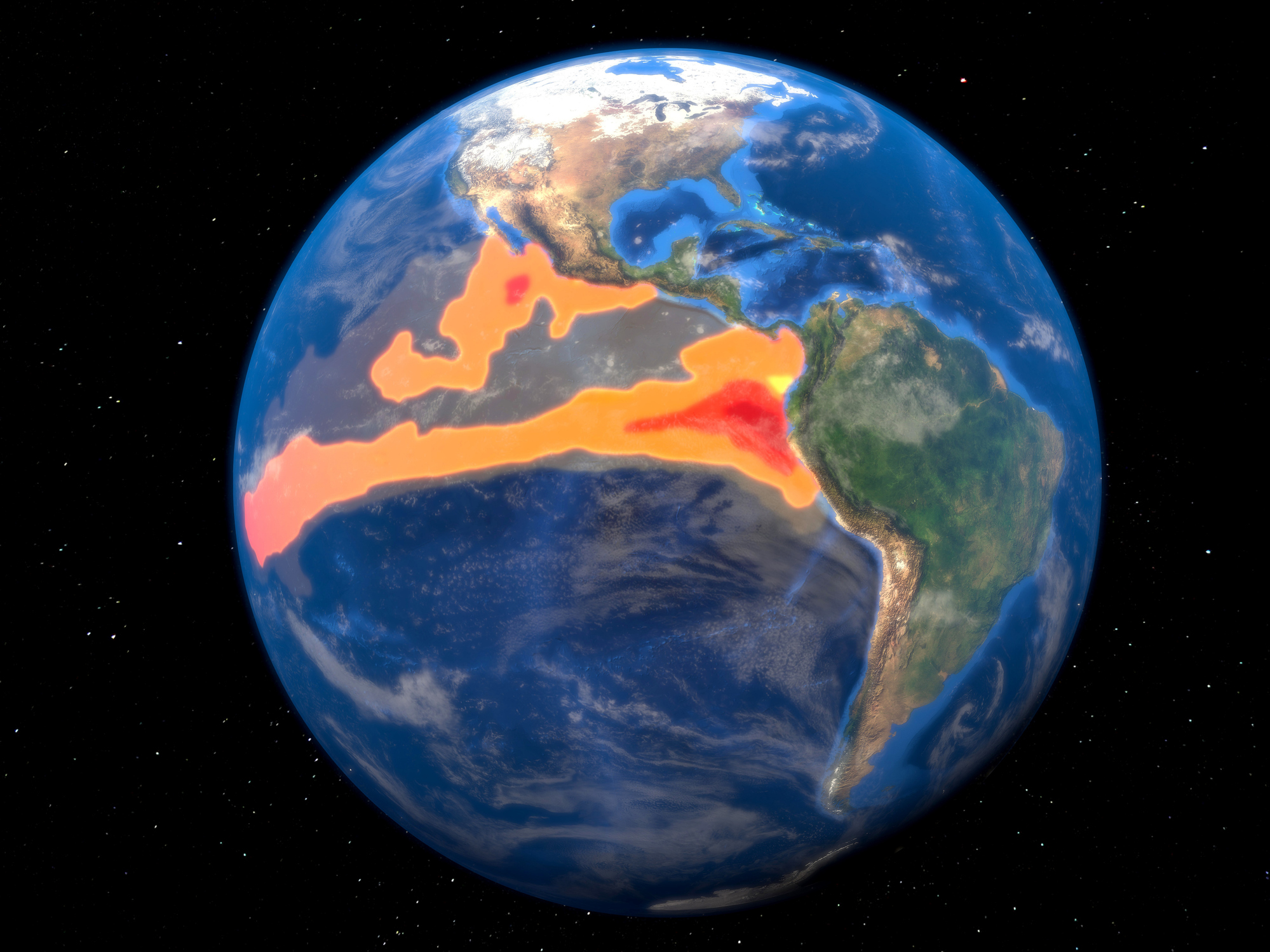
El Nino weather conditions, caused by the warming of sea surface temperatures in the Pacific Ocean, are expected to start in May, the World Meteorological Organization said last month.
It could cause droughts in Australia, Indonesia and parts of southern Asia as well as flooding in other regions, and may drive up temperatures, the U.N. agency warned.
“If there is a strong El Nino later this year, there is a serious risk that the effect of climate change and El Nino … will result in unprecedented weather extremes,” said Friederike Otto, climate scientist at Imperial College London and co-founder of World Weather Attribution.
-Reuters