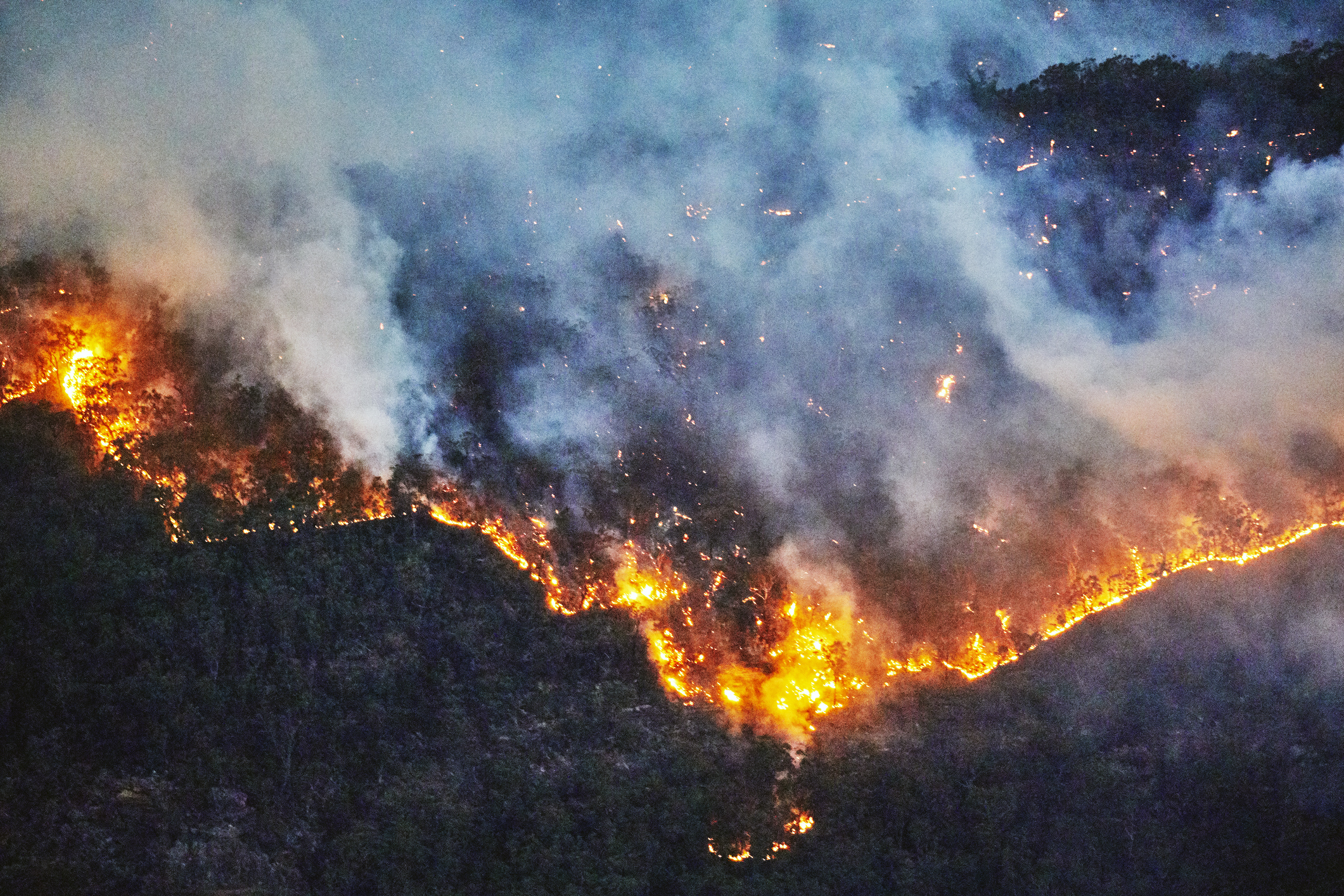
An Australian-led international research has found that over 1.5 million deaths globally every year were linked to the health impacts of air pollution caused by landscape fires.
According to the research published on Thursday by Monash University in Melbourne, 1.53 million deaths per year between 2000 and 2019 were attributable to wildfire-sourced air pollution, Xinhua news agency reported.
The study found that over 90 per cent of all deaths attributable to landscape fire-sourced air pollution occurred in low and middle-income countries — particularly in sub-Saharan Africa, southeast, south and east Asia.
It was a comprehensive assessment of the health risks associated with air pollution from landscape fires, involving researchers from universities around the world.
Of the 1.53 million annual deaths globally, 450,000 were attributed to cardiovascular disease and 220,000 to respiratory disease.
Fine particulate matter from wildfires fires contributed to 77.6 per cent of deaths and surface ozone to 22.4 per cent.
“As wildfires are increasingly frequent and severe in a warming climate, urgent action is required to address such substantial impact on climate-related mortality and associated environmental injustice,” the authors wrote in the study.
The countries with the highest attributable mortality rates to landscape fires were all in sub-Saharan Africa.
The authors advocate for high-income countries to provide financial and technological support to help vulnerable developing countries manage the health impacts of wildfire-sourced air pollution and address the socioeconomic disparities in mortality rates.
(IANS)