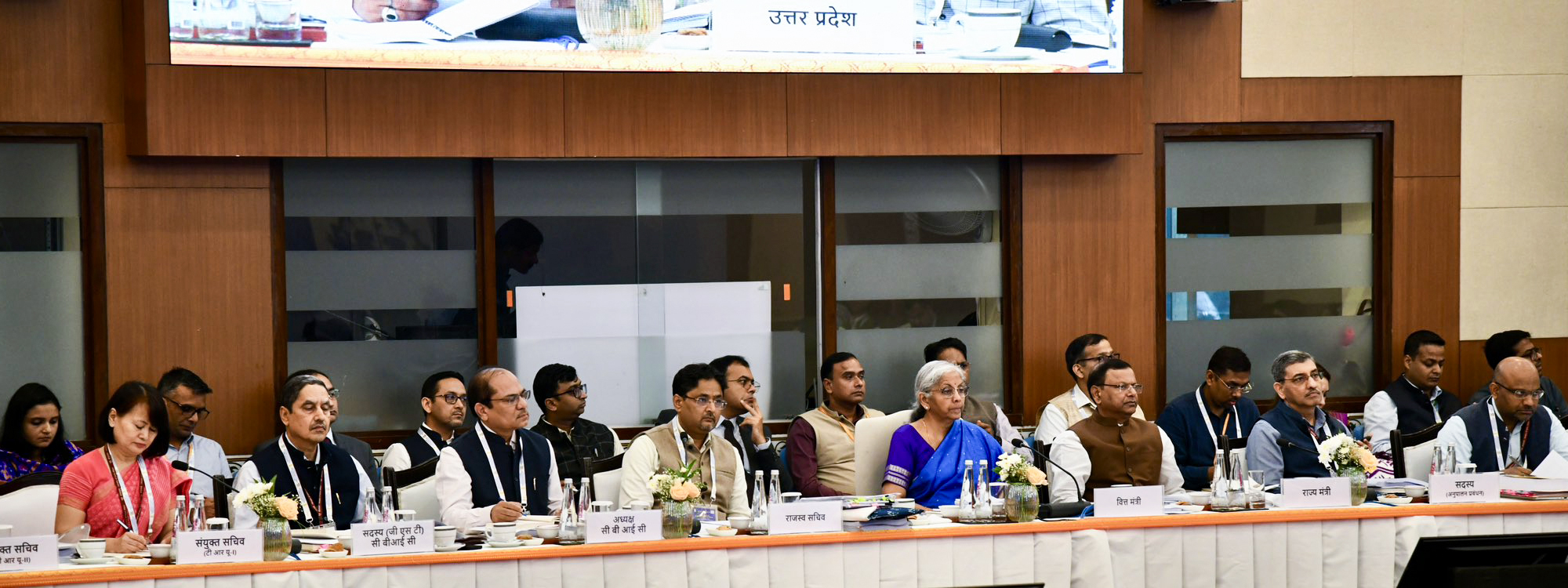
The Goods and Services Tax (GST) Council has decided to bring a wider range of consumer goods under the lower tax slab, in a move aimed at easing the burden on households and stimulating demand.
According to sources, items such as shoes and clothes priced up to ₹2,500 will now attract a GST of 5 per cent, compared to the earlier threshold of ₹1,000. Goods above this limit had so far been taxed at 12 per cent.
The Council, chaired by Union Finance Minister Nirmala Sitharaman and comprising state finance ministers, also reached consensus on rolling out a simplified GST structure with just two tax slabs — 5 per cent and 18 per cent. However, sin and luxury goods such as cigarettes, tobacco, sugary drinks and high-end products will continue to be taxed at 40 per cent.
With this decision, the existing four-tier structure of 5, 12, 18 and 28 per cent is being streamlined into two slabs, reducing complexity and correcting distortions. Experts say the move will lower the prices of many consumer items, boosting demand and economic growth.
The GST system, introduced on July 1, 2017, had originally subsumed excise duty, VAT and other indirect taxes into a uniform structure. A compensation cess on luxury and demerit goods had been created to support states for five years, ending in June 2022.
Prime Minister Narendra Modi, in his Independence Day address, had underscored the government’s focus on “next-generation GST reforms” based on structural changes, rate rationalisation and ease of living.
Key areas identified under the reforms include lowering the tax burden on the common man, women, students, farmers and the middle class; reducing classification disputes; correcting inverted duty structures; ensuring greater rate stability; and further improving ease of doing business.
The Centre believes that the rationalisation will strengthen core sectors, stimulate consumption, and support India’s growth momentum.