







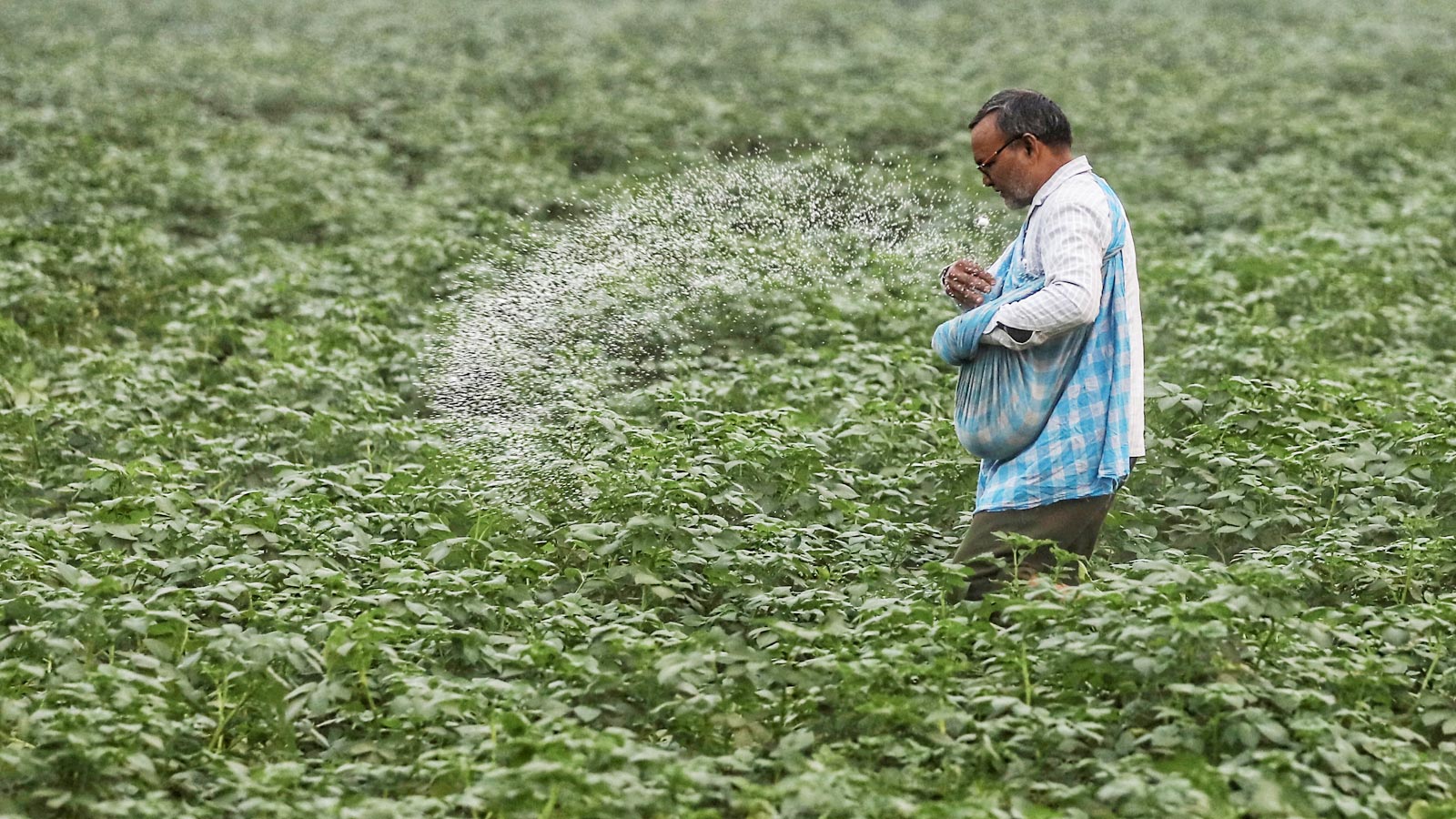
The Centre has ramped up efforts to ensure adequate fertilizer availability for the upcoming Kharif 2026 season, increasing domestic urea production by 23 per cent and strengthening imports amid global supply uncertainties linked to developments in West Asia.
According to the Ministry of Chemicals and Fertilizers, the Department of Fertilizers has adopted a multi-pronged strategy combining higher domestic output with diversified global procurement to shield farmers from supply chain disruptions.
A key step has been the successful conclusion of natural gas procurement through the Empowered Pool Management Committee (EPMC). The government secured an additional 7.31 MMSCMD of gas on a spot basis, raising total supply to urea plants from 32 MMSCMD to 39.31 MMSCMD. This has led to a corresponding rise in daily urea production from 54,500 metric tonnes to 67,000 metric tonnes.
The Ministry said the move has improved gas availability for fertilizer plants to 76 per cent of their requirement, compared to 62 per cent earlier, enabling higher and more stable output.
The Ministry also highlighted a comfortable stock position ahead of the sowing season. Urea stocks stood at 61.14 lakh metric tonnes as of March 19, up from 55.22 lakh metric tonnes a year ago. Stocks of Di-Ammonium Phosphate (DAP) have more than doubled to 24.24 lakh metric tonnes, while other fertilizers such as NPK and SSP have also recorded significant increases.
In addition to boosting domestic production, the government has floated global tenders well in advance and diversified sourcing to mitigate risks from geopolitical disruptions. Officials said most of the imported fertilizer consignments are expected to arrive in India by the end of March.
External Affairs Ministry spokesperson Randhir Jaiswal noted that India currently has adequate fertilizer stocks and remains in touch with multiple supplier nations to ensure timely deliveries.
The Ministry said the coordinated approach has helped maintain supply stability, prevent shortages, and ensure that farmers have timely access to fertilizers during the crucial sowing season.