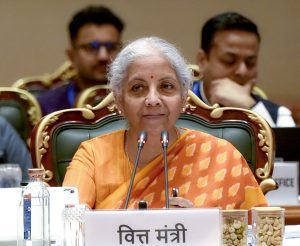
Finance Minister Nirmala Sitharaman on Wednesday announced a major reform in the Goods and Services Tax (GST) regime, consolidating the 12% and 18% tax slabs into a simplified dual-rate structure of 5% and 18%, with a higher 40% rate retained for sin goods.
The move, described as “Next-Generation GST,” is aimed at boosting affordability, consumption, and economic efficiency while making compliance easier for businesses.
At a press conference, the Finance Minister said the reforms have been carried out with a focus on easing the burden on the common man. “Every tax on the common man’s daily use items has undergone a rigorous review, and in most cases, the rates have come down drastically. Labour-intensive industries, farmers, the agriculture sector, and the health sector will all benefit,” she said.
Daily essentials such as hair oil, soap, shampoo, toothbrushes, toothpaste, bicycles, and kitchenware will now attract only 5% GST. Ultra-high temperature milk, paneer, chena, and all varieties of Indian breads, including roti and paratha, will be exempt from GST.
Food items such as namkeen, bhujia, sauces, pasta, noodles, chocolates, coffee, cornflakes, butter, and ghee have also been brought down to the 5% category.
In consumer durables, GST on items such as air conditioners, dishwashers, and small cars has been reduced from 28% to 18%. Motorcycles of up to 350 cc engine capacity will also attract 18%.
The Minister added that inverted duty structures and classification issues have been addressed, ensuring stability and predictability in the GST framework. She also highlighted measures to simplify registration, return filing, and refunds.
The reforms align with Prime Minister Narendra Modi’s Independence Day announcement that GST rationalisation by Diwali would reduce taxes on daily essentials, benefit MSMEs and local vendors, and support a citizen-friendly economy.
-ANI