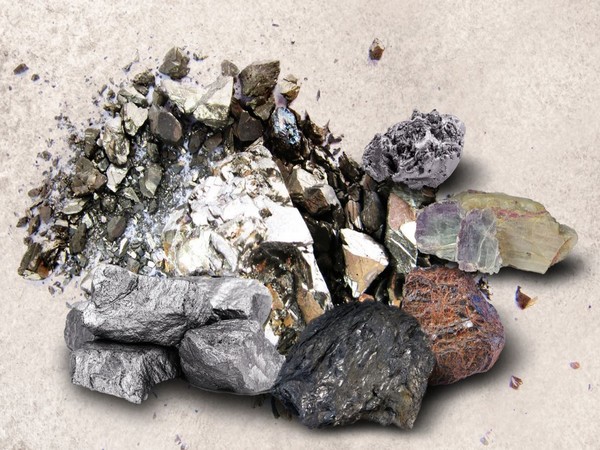
The government has launched a major initiative to boost domestic extraction of critical minerals from recycled sources, with a ₹1,500-crore incentive scheme aimed at developing industry capacity for recycling e-waste, spent batteries, and other scrap materials.
The scheme, approved by the Union Cabinet on September 3, forms a key component of the National Critical Mineral Mission and is designed to strengthen India’s supply chain sustainability in the near term. The Ministry of Mines issued detailed guidelines for the scheme on October 2, 2025, following stakeholder consultations. The application process began the same day and has received a positive response from industry participants.
Under the scheme, eligible feedstock includes e-waste, spent lithium-ion batteries (LIBs), and other scrap such as catalytic converters from end-of-life vehicles. India generates an estimated 1.75 million tonnes of e-waste annually and about 60 kilo tonnes of spent LIBs, with volumes expected to increase significantly over the next few years.
To facilitate recycling, customs duties on LIB scrap were removed in the Union Budget 2025–26, making imports of such materials more viable. The government is also strengthening the collection and formalization of waste streams under the Extended Producer Responsibility (EPR) framework for e-waste and battery waste.
Currently, most domestic recyclers focus on producing “black mass” from battery waste without extracting the valuable critical minerals contained within. The new incentive scheme specifically targets recyclers engaged in end-to-end extraction of metals through processes such as hydrometallurgy, encouraging upstream players—such as dismantlers, crushers, and shredders—to join the formal recycling ecosystem.
To ensure broad participation, incentives have been capped at ₹50 crore for large recyclers and ₹25 crore for smaller entities. The Ministry expects this to attract both established players and new entrants in the R4 (reuse, refurbish, remanufacture, recycle) segment.
Proven indigenous technologies for complete recycling are already available in India. Institutes such as IITs, CSIR laboratories, and other R&D centres have developed expertise in metal extraction, recycling, and purification, and are also providing training in related fields. Skill requirements under the scheme can be met through institutional tie-ups by beneficiaries.