






The Centre on Tuesday said fuel supplies remain stable and evacuation efforts are progressing steadily amid the ongoing crisis in West Asia, even as it urged states to crack down on hoarding and black marketing of essential commodities.
At an inter-ministerial media briefing held at the National Media Centre, senior officials from multiple ministries outlined measures taken to ensure uninterrupted supply of petroleum products, smooth maritime operations, and the safety of Indian nationals in the region.
Fuel Supply Stable, LPG Production Rises
The Ministry of Petroleum and Natural Gas said all refineries are operating at high capacity with adequate crude inventories, while domestic LPG production has increased beyond pre-crisis levels.
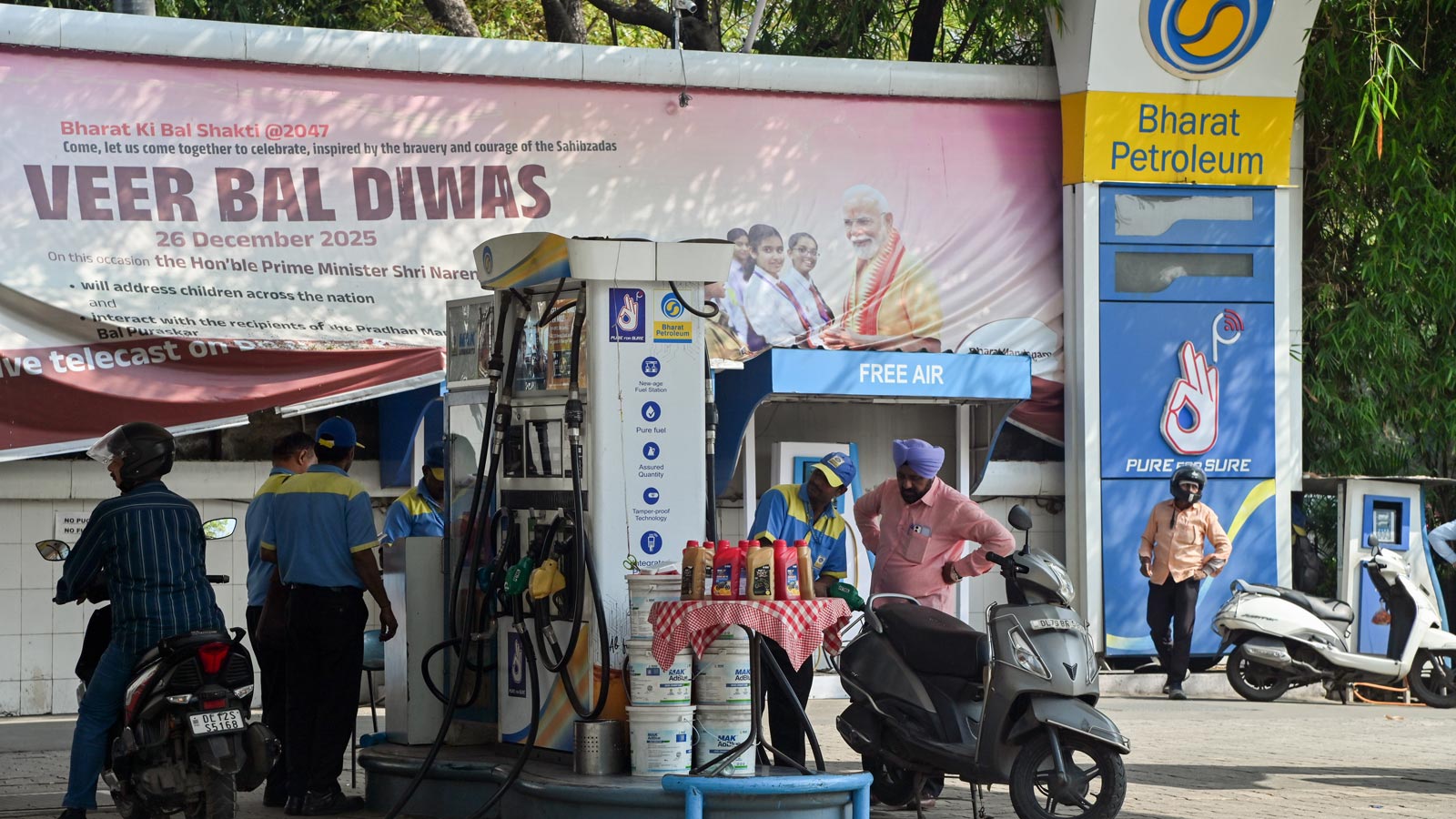
The Ministry also cautioned against panic buying, noting that rumours had triggered unusually high sales in some areas, reiterating that sufficient stocks of petrol and diesel are available across the country.
To ease supply pressures, the Centre has increased the allocation of commercial LPG to states to 50 per cent, prioritising sectors such as restaurants, community kitchens, and migrant workers. Additionally, over 7,500 domestic and commercial PNG connections were issued or activated in a single day, as part of efforts to promote a shift from LPG to piped natural gas.
Strict Action Against Hoarding
States and Union Territories have been directed to maintain strict vigilance under the Essential Commodities Act, 1955, to curb hoarding, black marketing, and diversion of LPG.
So far, 32 states and UTs have set up control rooms, while 33 have established district-level monitoring committees. Enforcement agencies conducted around 3,400 raids in the past 24 hours, seizing nearly 1,000 LPG cylinders. Authorities have registered 642 FIRs and arrested about 155 individuals in connection with violations.
Public sector oil marketing companies also carried out over 1,500 surprise inspections at fuel outlets and LPG distributorships.
Maritime Operations Continue Smoothly
The Ministry of Ports, Shipping and Waterways (MoPSW) reported that India’s maritime operations remain stable despite disruptions in the region. Two Indian LPG vessels – Pine Gas and Jag Vasant – successfully crossed the Strait of Hormuz and are heading towards Indian ports with cargo.
Around 20 Indian-flagged vessels with nearly 540 seafarers remain in the western Persian Gulf region, with authorities maintaining close monitoring. Ports across India are functioning normally, with additional storage and cargo-handling arrangements made to manage any surge in traffic.
Over 4 Lakh Indians Return
The Ministry of External Affairs (MEA) said it is continuing round-the-clock monitoring of the situation, with Indian missions in the region providing assistance to citizens.
Since February 28, around 4.02 lakh passengers have returned to India from West Asia, with flight operations gradually improving. Special arrangements are being made to facilitate travel from countries with restricted airspace, including transit via Saudi Arabia for passengers from Kuwait, Bahrain, and Iraq.
Indian nationals in Iran are being assisted via Armenia and Azerbaijan, while those in Israel are being routed through Jordan.
Diplomatic Engagements Ongoing
External Affairs Minister S. Jaishankar held discussions with global counterparts, including US Secretary of State Marco Rubio and Sri Lankan Foreign Minister Vijitha Herath, focusing on the evolving situation and its economic and energy implications.
He also met ambassadors of Gulf Cooperation Council countries, thanking them for their continued support to the Indian community in the region.
Public Advisory
The government urged citizens to avoid panic buying, rely on official information sources, and conserve energy. Consumers have been encouraged to use digital platforms for LPG booking and adopt alternative fuels such as PNG and electric cooking solutions.
The Ministry of Petroleum & Natural Gas said that Centre remains vigilant and is coordinating closely with states to ensure uninterrupted supply of essential commodities and safeguard the interests of citizens during the ongoing crisis.