The Government of India has approved a series of GST rationalization measures to support affordable and preventive healthcare across the country. The reforms are intended to reduce costs of medicines, medical devices, diagnostics, nutrition, and fitness services, while promoting insurance coverage and preventive health.
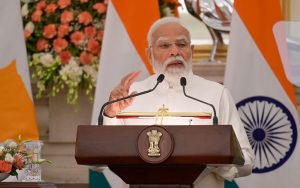
Prime Minister Narendra Modi said the reforms were aimed at easing the burden on citizens and strengthening the economy. “The Union Government had prepared a detailed proposal for broad-based GST rate rationalisation and process reforms, aimed at ease of living for the common man,” he tweeted.
Union Health Minister Jagat Prakash Nadda welcomed the changes, noting that reduced taxes on essential products will help families manage costs and provide relief across sectors. Finance Minister Nirmala Sitharaman highlighted the multi-sectoral focus of the reforms, aimed at both citizens and businesses.
Key measures include:
Medicines and Pharmaceuticals: GST on essential medicines has been reduced from 12 per cent to 5 per cent or Nil. Services related to bio-medical waste disposal and job-work in pharmaceutical manufacturing are now taxed at 5 per cent, easing production costs and improving affordability for patients.
Medical Devices and Equipment: Tax on medical items such as anesthetics, oxygen, bandages, diagnostic kits, surgical gloves, glucometers, and thermometers has been reduced from 12 per cent to 5 per cent, lowering costs for hospitals, clinics, and diagnostic centres.
Vision Care: GST on spectacles, lenses, and contact lenses has been reduced from 12 per cent to 5 per cent, making vision correction more affordable for students, the elderly, and low-income households.
Insurance Coverage: Individual health insurance policies, including family floaters and senior citizen plans, have been exempted from GST, encouraging wider adoption and reducing out-of-pocket healthcare expenditure.
Nutrition and Holistic Health: UHT milk and paneer, dry fruits, diabetic foods, preserved fish, fruit pulp, juice-based drinks, and beverages containing milk will now attract lower GST rates, supporting daily nutrition and household health.
Fitness and Preventive Health: GST on gyms and fitness centres has been cut from 18 per cent to 5 per cent, promoting preventive healthcare and complementing the Fit India Movement.
The government has maintained higher taxes on harmful products such as tobacco, pan masala, and sugary drinks, aligning with public health objectives.