The next-generation GST reforms mark a historic leap forward for India’s textile sector, serving as a catalyst for the country’s journey towards becoming a $350 billion textile economy by 2030, the government has said.
The Ministry of Textiles reaffirmed its commitment to work closely with industry stakeholders, exporters, artisans, and entrepreneurs to ensure the smooth implementation of these reforms.
According to the ministry, the landmark measures are expected to reduce costs, remove structural anomalies, sustain jobs, and strengthen the entire textile value chain—from fibre to fashion to foreign markets.
The reforms are aligned with the Prime Minister’s 5F formula (Farm to Fibre to Factory to Fashion to Foreign), which aims to position India as a global textile powerhouse.
GST rationalisation in textiles will remove distortions, lower production costs, boost demand, support exports, and enhance India’s global competitiveness.
The government said the reforms will correct anomalies at the fibre stage, reduce costs at the yarn and fabric stages, improve garment affordability, revive demand at the retail stage, and enhance export competitiveness. They will also provide a strong push to India’s fibre-neutral policy, ensuring balanced growth across both cotton and man-made segments.
Under the new structure, the 5 per cent GST rate has been extended to readymade garments and made-ups priced up to Rs 2,500 per piece (earlier Rs 1,000). This makes affordable apparel cheaper, particularly for middle-class and low-income households, and is expected to revive demand in tier 2 and 3 towns as well as rural markets.
“Given the labour-intensive nature of garmenting, higher demand will sustain and expand employment, especially for women in stitching, tailoring, and finishing units. The move will also support ‘Make in India’ brands, helping them compete with cheap imports in low and mid-price segments,” the ministry stated.
GST has also been reduced from 18 per cent to 5 per cent on fibres and from 12 per cent to 5 per cent on yarns. This correction of the inverted duty structure aligns fibre–yarn–fabric rates and removes long-standing working capital pressures on manufacturers.
Since a large share of man-made fibre (MMF) production comes from small and medium units, the cut eases cost pressures, strengthens cash flows, and makes MMF-based garments globally more price-competitive—supporting India’s ambition to become a hub for synthetic textiles and MMF garments.
On carpets and floor coverings, GST has been reduced from 12 per cent to 5 per cent, which will boost exports from clusters such as Bhadohi and Srinagar, strengthen traditional crafts, and improve affordability in domestic markets.
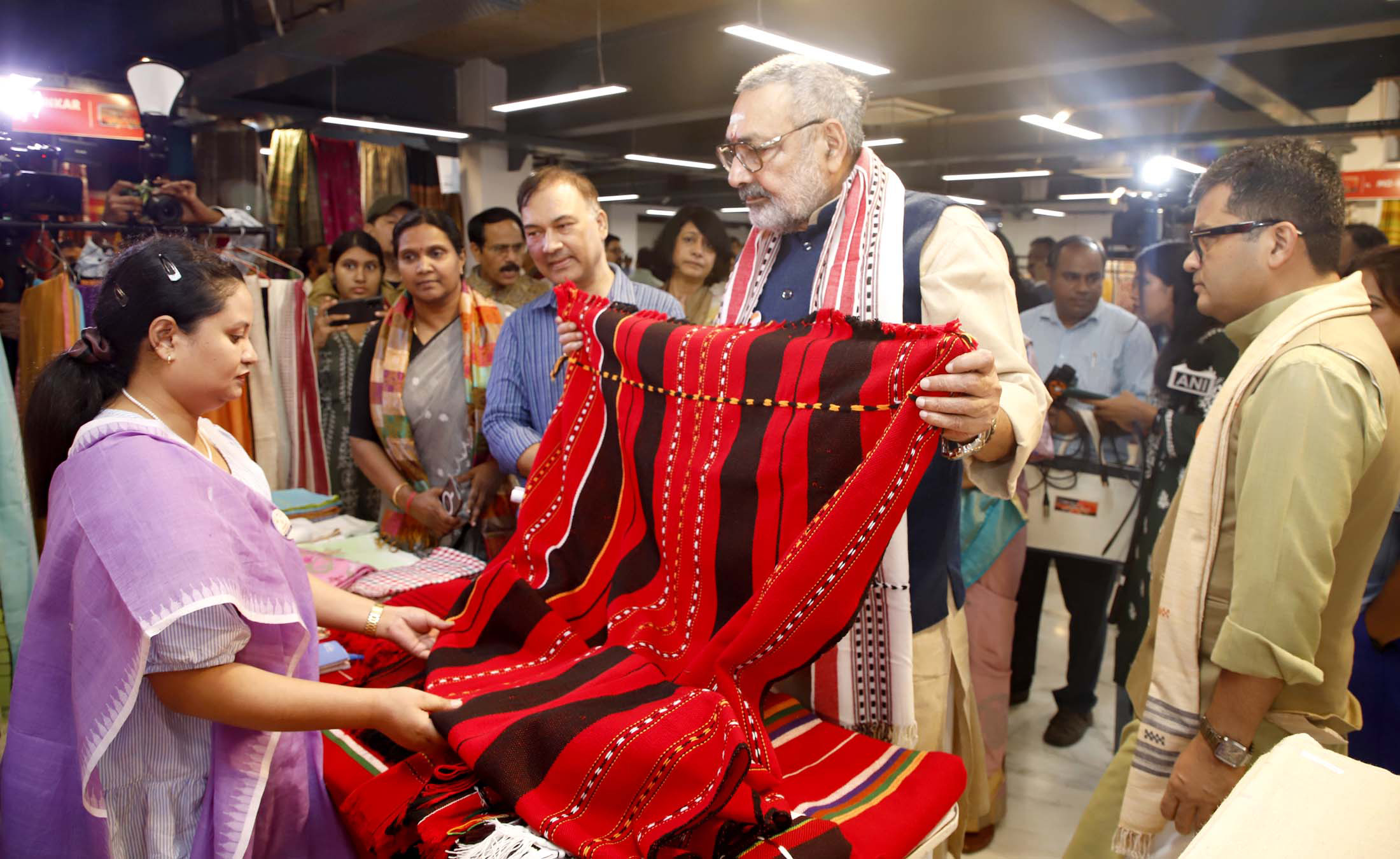
Similarly, the tax has been reduced from 12 per cent to 5 per cent on 36 handicraft items, cotton rugs of handloom, and handwoven carpets under HS 5705. This will provide relief to artisans, enhance rural livelihoods, and support India’s rich craft traditions.
Other measures include the simplification of the refund process in cases of both zero-rated supply and inverted duty structure, using a system-driven risk evaluation mechanism.
The removal of the Rs 1,000 threshold for small consignments sent via courier or postal mode, along with a simplified GST registration scheme for small and low-risk businesses, is also being seen as a highly positive step.
—IANS