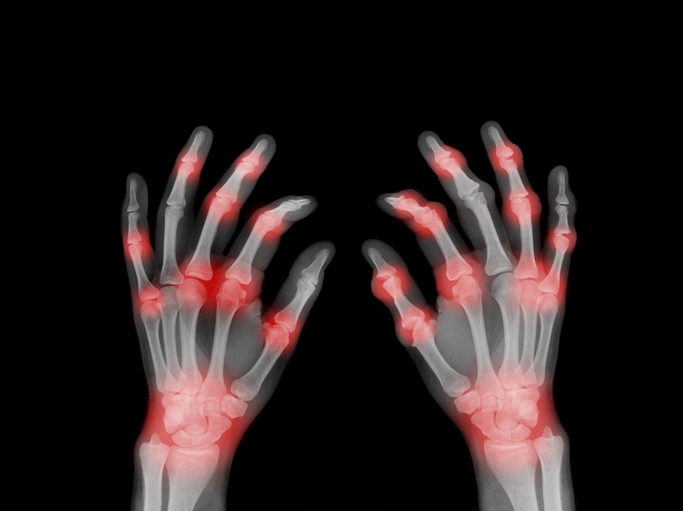
Researchers have identified shifts in the gut microbiome that could signal the onset of rheumatoid arthritis, providing a potential opportunity for targeted treatments.
A team from the University of Leeds and Leeds Teaching Hospitals NHS Trust discovered that bacteria linked to inflammation were found in higher quantities in the gut about 10 months before patients developed clinical rheumatoid arthritis symptoms.
The findings could help identify individuals at risk, paving the way for preventive and personalized treatment strategies, the researchers said.
To gain further insight, the team followed 124 people at risk of developing rheumatoid arthritis over a 15-month period. Of these, seven were newly diagnosed during the study, while 22 were healthy. Changes in the gut microbiome profiles were assessed using stool and blood samples collected at five different intervals.
The presence of precursor anti-cyclic citrullinated protein (anti-CCP) antibodies—which target healthy cells and are specific to rheumatoid arthritis—along with joint pain reported within the previous three months, were identified as significant risk factors.
During the study period, 30 of the 124 at-risk participants progressed to rheumatoid arthritis. Compared to the healthy control group, they also showed reduced microbial diversity.
Recognized genetic, blood, and imaging risk factors for arthritis were significantly associated with lower microbial diversity, as was steroid use.
In those who progressed to rheumatoid arthritis and among newly diagnosed cases, a specific strain of Prevotellaceae (ASV2058), likely Prevotella copri, was found in abundance. Another strain (ASV1867) of P. copri was also elevated at the beginning of the study, suggesting that gut bacteria may play a role in rheumatoid arthritis progression, the researchers said.
“Individuals at risk of rheumatoid arthritis harbor a distinctive gut microbial composition, including an overabundance of Prevotellaceae species. This microbial signature is consistent and correlates with traditional risk factors,” stated the research published in the Annals of the Rheumatic Diseases.
(Inputs from IANS)