











The Centre on Friday said the country’s energy systems remain stable and resilient despite ongoing geopolitical tensions in West Asia, while outlining a series of measures to ensure uninterrupted fuel supply, safeguard maritime operations, and protect Indian nationals abroad.
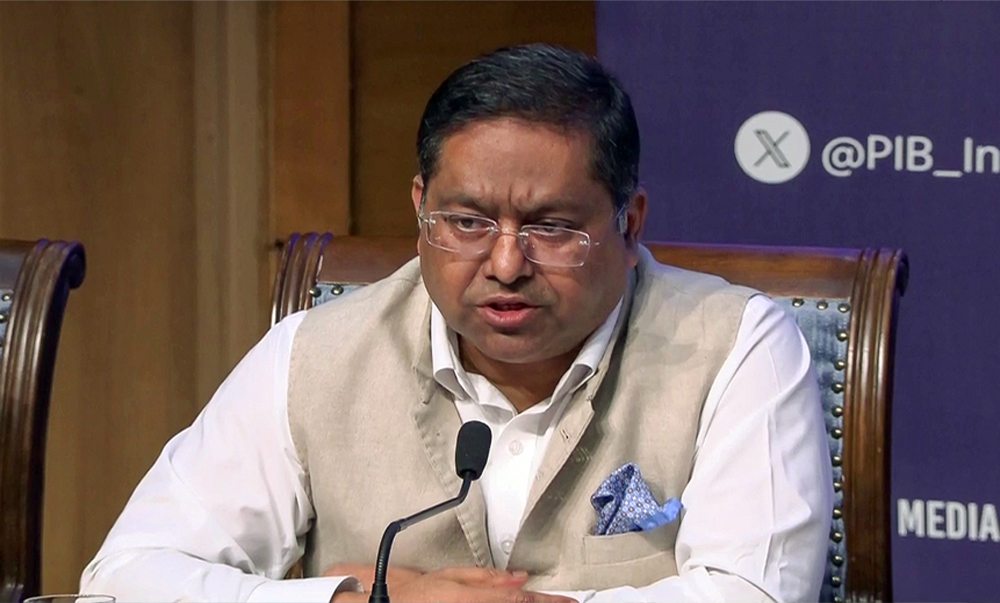
At an inter-ministerial media briefing held at the National Media Centre, officials from key ministries, including Petroleum and Natural Gas, Power, External Affairs, and Ports, Shipping and Waterways, highlighted India’s preparedness across sectors even as global uncertainties persist.
Power and Energy Systems Remain Robust
The Ministry of Power said India’s electricity system is “well-diversified and adequately positioned” to meet both immediate and long-term demand. With an installed capacity exceeding 531 GW, over half of which comes from non-fossil sources, the country is prepared to handle peak summer demand.
To strengthen short-term supply, maintenance of thermal plants has been deferred to ensure an additional 10,000 MW capacity, while coal stocks are being maintained at adequate levels. The government is also accelerating the commissioning of thermal, hydro, renewable, battery storage, and pumped storage projects between April and June 2026.
In the long term, India aims to reach nearly 874 GW capacity by 2031–32, with over two-thirds coming from non-fossil sources.
Fuel Supply Stable, Public Urged Against Panic Buying
Officials stressed that petrol, diesel, and LPG supplies remain stable across the country. Citizens have been advised not to indulge in panic buying and to rely only on official information.
Online LPG bookings have surged to nearly 98%, with digital delivery authentication covering over 90% of transactions to prevent diversion. No shortages or “dry-outs” have been reported at LPG distributorships.
To manage demand, the government has increased refinery output, extended LPG refill intervals, and promoted alternative fuels such as piped natural gas (PNG), kerosene, and electric cooking solutions.
Enforcement agencies have intensified action against black marketing, conducting around 1.2 lakh raids so far, seizing over 57,000 cylinders, and making more than 200 arrests.
Push for PNG Expansion and Cleaner Energy
The government has significantly accelerated PNG expansion, with over 4 lakh new connections activated since March and another 4.4 lakh registered. City gas distribution companies have been directed to prioritise connections for households and commercial establishments.
Priority sectors such as domestic PNG and CNG transport continue to receive uninterrupted gas supply, while allocations to fertiliser plants and industries have been increased.
Ports, Shipping Operations Functioning Smoothly
Despite tensions in the Persian Gulf, officials confirmed that port and shipping operations in India remain unaffected. There is no congestion at major ports, with container backlogs at Kandla and Jawaharlal Nehru Port Trust reduced by over 90% in recent weeks.
All Indian seafarers in the region are reported safe, and no incidents involving Indian-flagged vessels have been recorded in the past 24 hours. Over 1,900 Indian seafarers have been repatriated so far, including 124 in the last day.
Support for Indians Abroad Intensified
The Ministry of External Affairs (MEA) said India is closely monitoring the situation in West Asia and has activated control rooms and 24×7 helplines across embassies.
Evacuation and travel facilitation efforts are ongoing, with over 8.4 lakh passengers having travelled from the region to India since late February. Special arrangements continue for Indians in countries with restricted airspace, including Iran, Kuwait, and Israel.
India has also assisted neighbouring countries with fuel supplies and is finalising a government-to-government agreement with Mauritius to strengthen energy cooperation.
Concern Over Lebanon Violence
India expressed deep concern over civilian casualties in Lebanon, reiterating the importance of protecting civilians and respecting international law. The Indian Embassy in Lebanon remains in close contact with the Indian community to ensure their safety.
Coordinated Response Across Government
Officials emphasised a “whole-of-government” approach, with continuous coordination between central ministries, state governments, and industry stakeholders. Control rooms have been set up across states, and daily monitoring mechanisms are in place to ensure supply stability and counter misinformation.
The government reiterated that India remains well-prepared to navigate the evolving global situation while ensuring energy security, economic stability, and the safety of its citizens.












