






As India marks its 78th Independence Day, the nation’s streets are adorned with the Tricolour, symbolizing the sacrifices of freedom fighters and the country’s unity in diversity.
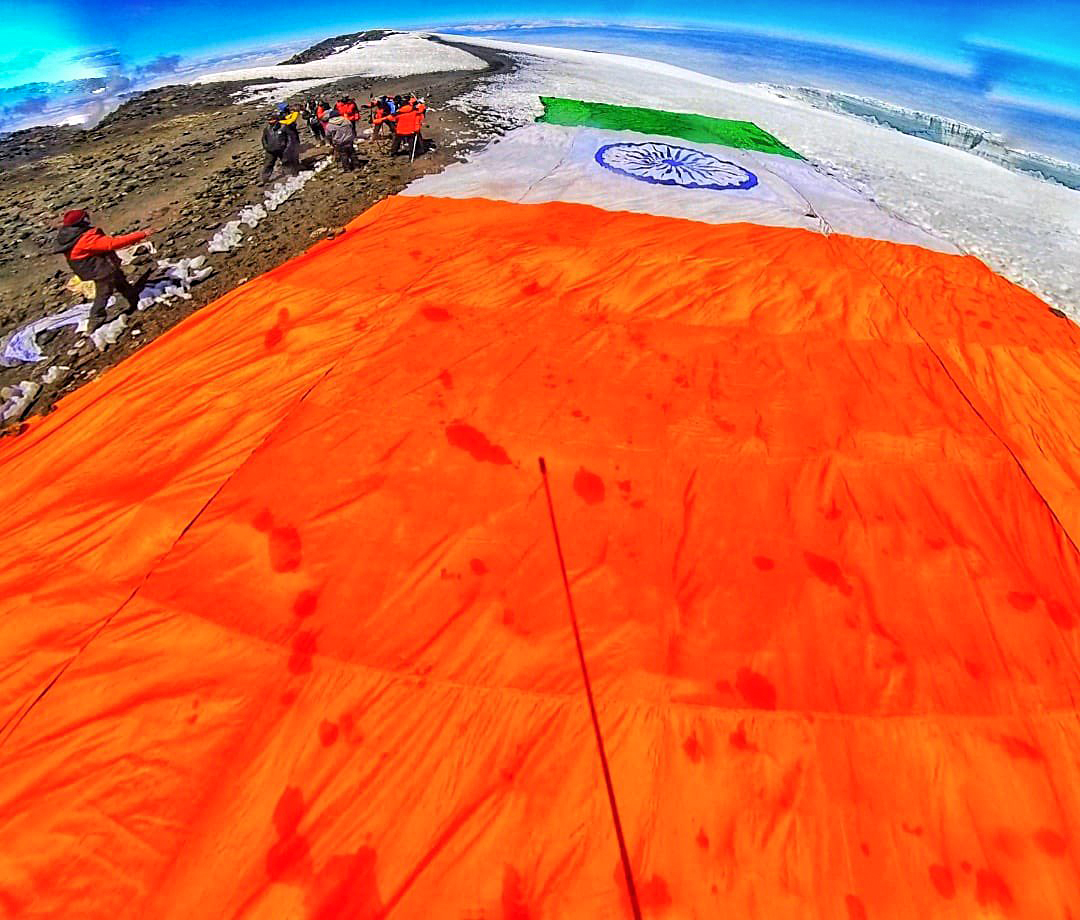
The Indian national flag, adopted on July 22, 1947, just before independence, replaced the spinning wheel with Emperor Ashoka’s Dharma Chakra. This flag, known as the Tiranga, features three equal horizontal bands of saffron, white, and green, with a navy-blue Ashoka Chakra at the center.
Each element of the flag carries deep meaning. Saffron represents strength and courage, white symbolizes peace, and green denotes fertility and prosperity. The Ashoka Chakra, with its 24 spokes, signifies continuous progress.
The flag’s design is largely credited to Pingali Venkayya, who proposed a two-color design to Mahatma Gandhi in 1921. The current design, with a 3:2 width-to-height ratio, was finalized after several iterations.
In 2002, the Flag Code of India was modified to allow citizens to display the flag year-round, provided they follow specific guidelines. These include hoisting the flag between sunrise and sunset, unless properly illuminated at night.
Proper flag etiquette dictates that the Tricolour should always be held in the right hand when displayed by a speaker and should never touch the ground. On Independence Day, the Prime Minister hoists the flag from the bottom of the pole, while on Republic Day, the President unfurls it from the top.
The national flag represents India’s sovereignty and unity. It serves as a reminder of the country’s past struggles and future aspirations, inspiring citizens to work towards a more inclusive and progressive nation.
(Inputs from ANI)