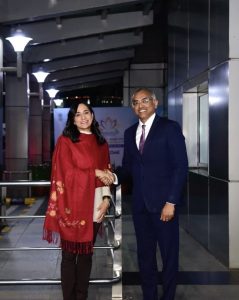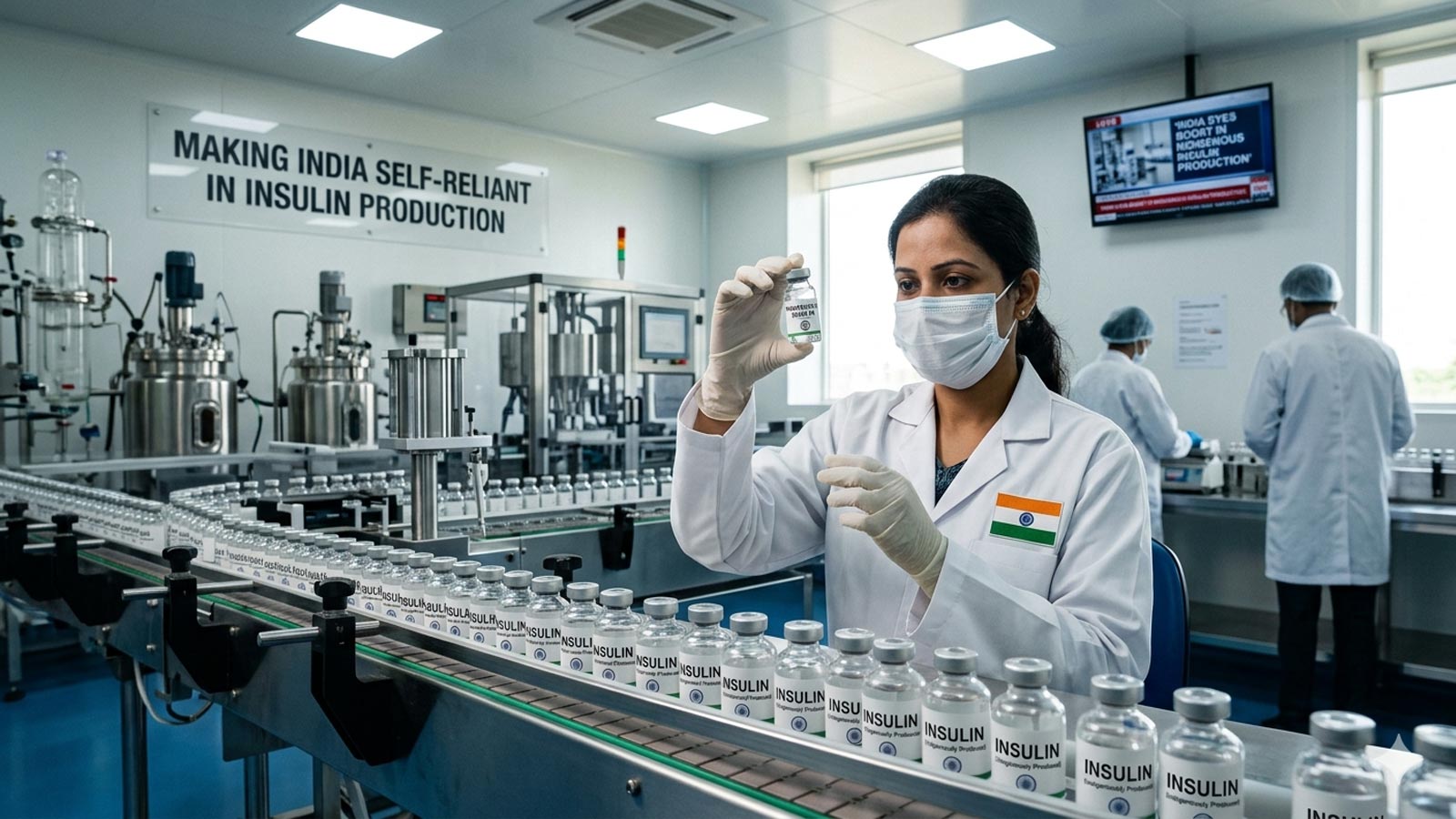
India is looking to scale up domestic production of biosimilar insulin and diabetes care technologies as part of a broader push to strengthen its biomanufacturing capabilities, Union Minister Dr. Jitendra Singh said during a meeting with International Diabetes Federation (IDF) President-elect Dr. Niti Pall.
The discussions focused on enhancing India’s capacity in insulin manufacturing, particularly biosimilar insulin, as well as expanding production of diabetes-related medical devices such as Continuous Glucose Monitoring (CGM) systems.
During the interaction, concerns were raised over potential global insulin supply constraints, as major multinational pharmaceutical companies increasingly shift focus towards newer therapies like GLP-1 drugs. Pall noted that insulin production remains concentrated among a few global players, making supply chains vulnerable and keeping prices high – especially affecting patients with Type 1 diabetes who rely on lifelong insulin therapy.
Against this backdrop, biosimilar insulin – cost-effective alternatives to existing insulin therapies – has emerged as a key solution to improve accessibility and affordability.
Singh acknowledged that while India has established strengths in pharmaceuticals and medical devices, domestic insulin production is still limited. He described this gap as both a challenge and an opportunity, emphasizing that expanding indigenous manufacturing is essential not only to meet domestic demand but also to support global needs, particularly in developing regions.
The Minister noted that the Department of Biotechnology is already supporting initiatives to enhance insulin production capacity, including efforts to scale up manufacturing by Indian companies.
Pall highlighted that many countries in Asia and Africa are increasingly looking towards India for affordable diabetes care solutions, drawing parallels with India’s role in supplying cost-effective vaccines globally. She pointed out that high insulin costs continue to restrict access in several regions, underscoring the need for alternative manufacturing hubs.
The meeting also explored the growing market for diabetes management devices such as CGMs and insulin pumps. While low-cost products from countries like China are rapidly expanding their global footprint, the Minister stressed that Indian companies have the capability to develop competitive technologies, provided there is stronger industry participation and targeted policy support.
Both sides discussed the need for deeper collaboration among researchers, industry stakeholders and global partners in areas such as clinical trials, technology development and financing models.
Singh proposed convening a stakeholder meeting during Pall’s next visit to India to chart a roadmap for scaling up production and expanding India’s role in the global diabetes care ecosystem.
The discussions reflect India’s broader strategy to strengthen its bio-manufacturing base while addressing the growing burden of diabetes, positioning the country as a key player in ensuring affordable and equitable access to essential therapies worldwide.