India has rejected what it termed an “unsubstantiated reference” to the country in a report by the United Nations Special Rapporteur on the rights of Indigenous Peoples, citing official data on land-title claims under the Forest Rights Act and highlighting constitutional safeguards and welfare initiatives for tribal communities.
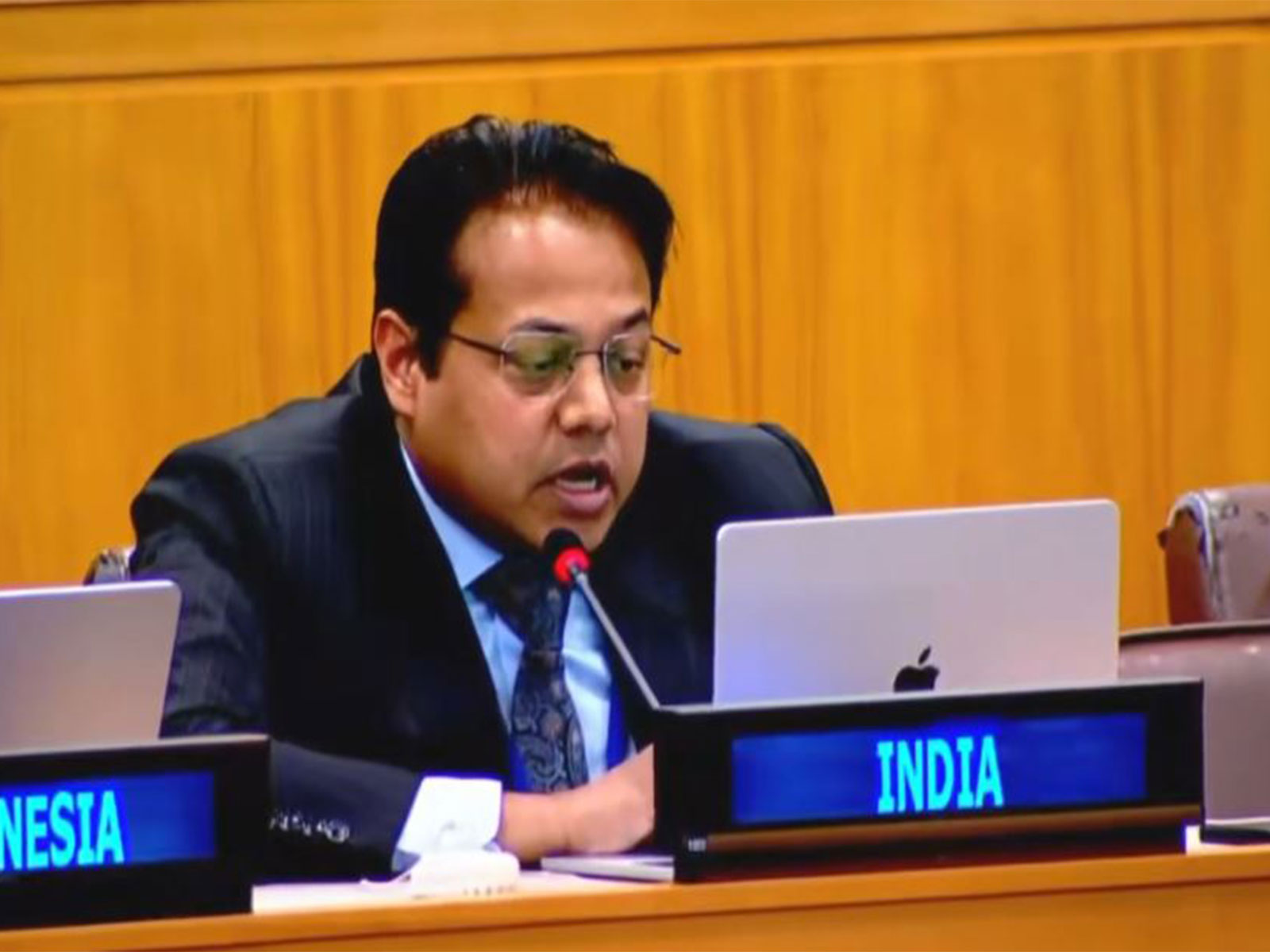
India delivered its statement during the 81st session of the United Nations General Assembly (UNGA) Third Committee, where First Secretary Anuj Swarup addressed issues relating to children’s rights, the rights of Indigenous Peoples and the report of the Human Rights Council.
Responding to the discussion on Indigenous Peoples’ rights, India reiterated its support for the 2007 United Nations Declaration on the Rights of Indigenous Peoples while rejecting the reference to the country in the Special Rapporteur’s report published in August 2025.
The report stated that India’s Constitution provides for Scheduled Tribes but that their recognition is “more administrative than rights-based.”
In response, India cited official Forest Rights Act land-title claim data and emphasised the constitutional protections available to tribal communities. It also highlighted targeted welfare programmes covering housing, drinking water, sanitation, healthcare, education and connectivity.
These initiatives, India said, are guided by the principle of “Sabka Saath, Sabka Vikas” (Together with all, development for all), according to a post by the Permanent Mission of India to the United Nations on X.
India also reiterated its position on the question of indigeneity, stating that the entire population at the time of independence and their successors are considered indigenous.
Emphasising the country’s civilisational ethos of pluralism and peaceful coexistence, India highlighted its constructive engagement with the UN Human Rights Council. It called on international human rights mechanisms to avoid politicisation and selectivity and to take cultural and historical contexts into account.
India Reaffirms Commitment to End Child Marriage by 2030
On children’s rights, India welcomed the UN Secretary-General’s report on child, early and forced marriage and acknowledged measures undertaken to reduce child marriage in the country.
India reaffirmed its commitment to ending child marriage by 2030 through the Bal Vivah Mukt Bharat campaign, in line with Sustainable Development Goal (SDG) target 5.3.
Highlighting constitutional safeguards and progress in child welfare, India referred to the right to free and compulsory education under Article 21A of the Constitution.
The country also cited a 25 per cent decline in the number of children missing all routine vaccinations in 2025, a reduction in the secondary school dropout rate to 7 per cent, and the availability of safe drinking water in 99.5 per cent of schools.
India further highlighted its social protection and poverty alleviation measures, stating that more than 250 million people had been lifted out of multidimensional poverty over the past decade. It also noted that social protection coverage had reached more than one billion people, as recognised by the International Labour Organization (ILO).
Reiterating its position on international human rights institutions, India called for an effective, objective and credible Human Rights Council and expressed its willingness to work constructively with all members. (ANI)