

Print

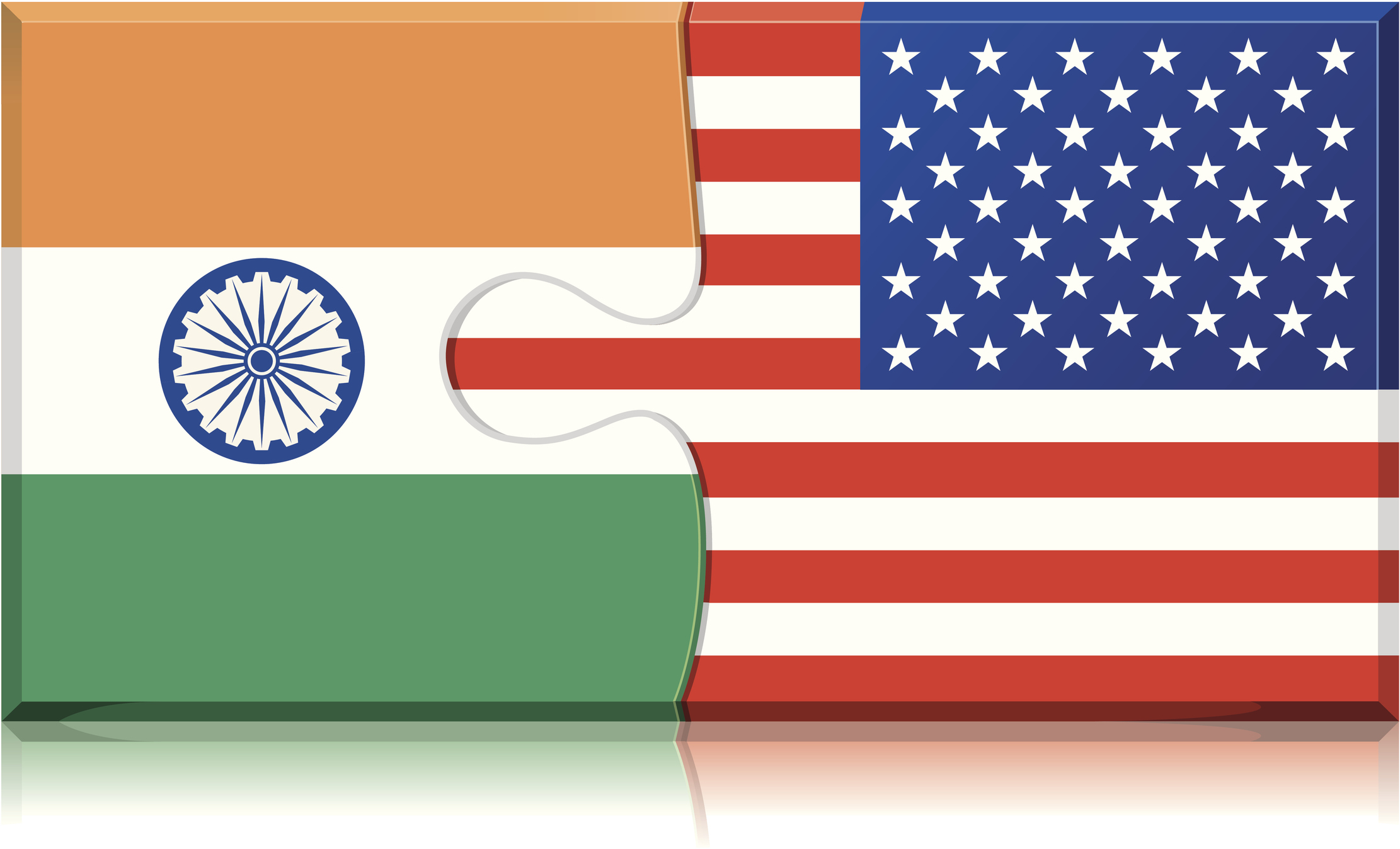
India, U.S. officials hold talks on bilateral trade pact

A delegation from the Office of the United States Trade Representative (USTR), led by Chief Negotiator for the India–U.S. Bilateral Trade Agreement Brendan Lynch, held discussions with senior officials of the Department of Commerce in New Delhi on Tuesday.

According to the Ministry of Commerce and Industry, the talks were described as “positive and forward-looking,” with both sides acknowledging the enduring importance of bilateral trade. The meeting, led on the Indian side by the Special Secretary in the Department of Commerce, decided to intensify efforts for the early conclusion of a “mutually beneficial” agreement.

It was decided that efforts would be intensified in the coming months to achieve an early conclusion of a “mutually beneficial” agreement, the statement added.

The visit comes at a time when New Delhi and Washington are seeking to broaden economic cooperation in areas ranging from market access to regulatory frameworks, even as both sides engage through multilateral platforms on global trade challenges.

RELATED ARTICLES

9 hours ago | Cotton custom duty

Centre waives customs duty on cotton imports till Oct 31 to support textile industry

The central government has announced a temporary exemption from all customs duties on cotton imports from June 1, 2026, to October 31, 2026, in a move aimed at improving the availability of cotton for India's textile industry. According to the Minis...

29/05/26 | 8:19 pm | Puducherry

Govt notifies two new special economic zones in Puducherry

The Union government has notified two new Special Economic Zones (SEZs) in Puducherry as part of the continued push towards strengthening the country's industrial base, expanding exports, and deepening self-reliance in strategic sectors, according to...

29/05/26 | 6:29 pm | Debt Recovery Tribunals and Lok Adalats.

How India’s Insolvency Framework Has Evolved in 10 Years Under the IBC

India’s insolvency framework has undergone a major transformation over the past decade through the Insolvency and Bankruptcy Code (IBC), 2016, which replaced a fragmented and delay-ridden system with a unified, creditor-driven and time-bound mechan...