








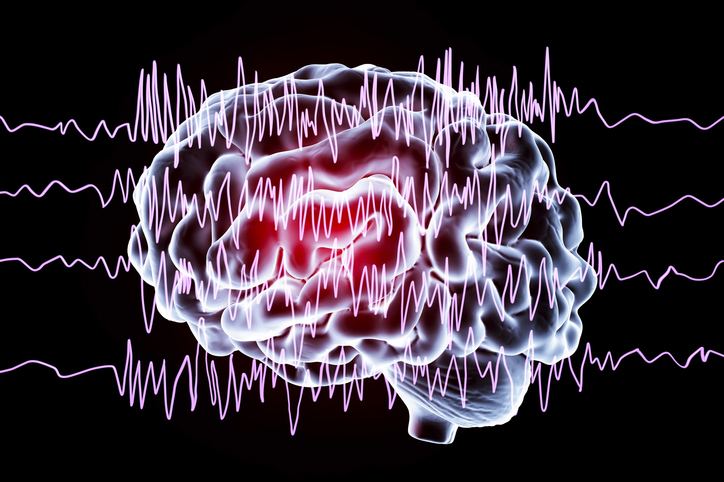
A team of researchers, led by Indian-origin neuroscientist and researcher Viji Santhakumar, has identified a gene that contributes to the behavioural changes associated with autism spectrum disorder and epilepsy.
The gene, called neuropilin2, encodes a receptor involved in cell-cell interactions in the brain and plays a crucial role in regulating the development of neural circuits.
The study, published in Nature Molecular Psychiatry, provides a pathway for future treatments aimed at alleviating the challenging symptoms of these frequently co-occurring conditions.
Previous research has linked mutations in neuropilin2 to neurological disorders like autism and epilepsy, but the mechanisms underlying these conditions have remained unclear.
Santhakumar and her team at the University of California–Riverside created a mouse model to examine the effects of deleting the neuropilin2 gene. Their findings revealed that the absence of neuropilin2 disrupts the migration of inhibitory neurons, disturbing the balance between excitatory and inhibitory signals in the brain.
“This imbalance leads to autism-like behaviours and an increased risk of seizures,” said Santhakumar, professor of molecular, cell, and systems biology.
“The results highlight the influence of a single gene on both excitatory and inhibitory systems in the brain. We show that disrupting inhibitory circuit development is sufficient to cause autism-related behaviours and epilepsy to co-occur,” she added.
By selectively deleting neuropilin2 during a critical developmental window, researchers observed impairments in inhibitory regulation of neural circuits, leading to deficits in behavioural flexibility, social interactions, and heightened seizure susceptibility.
The findings suggest that targeting specific phases of neuronal development could open new avenues for therapeutic interventions, potentially preventing the onset of these disorders if detected early.
“By isolating the role of inhibitory circuit formation, we may develop therapeutic strategies to improve outcomes for individuals with autism, particularly those who experience seizures,” Santhakumar noted.
The study included contributions from Deepak Subramanian, Andrew Huang, and Samiksha Komatireddy of UC-Riverside, along with Carol Eisenberg, Jiyeon Baek, Haniya Naveed, Michael W. Shiflett, and Tracy S. Tran of Rutgers University.
(Inputs from IANS)