








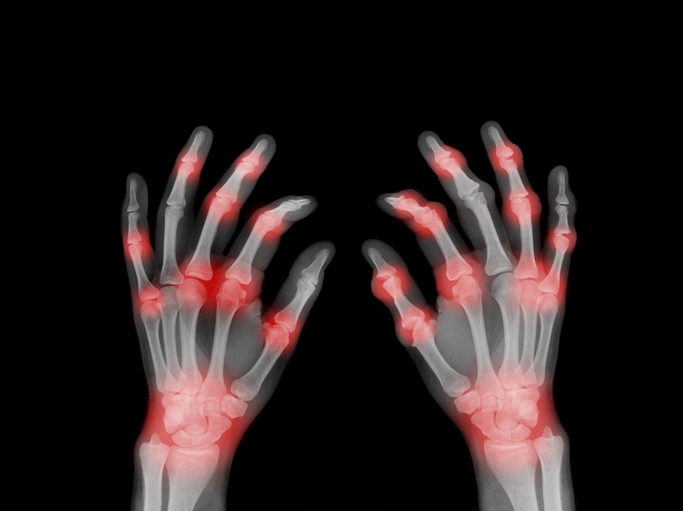
Researchers from the Institute of Nano Science and Technology (INST) Mohali, an autonomous institution of the Department of Science and Technology (DST), have developed an innovative “self-actuating” drug delivery system that could revolutionise the treatment of rheumatoid arthritis (RA).
Rheumatoid Arthritis (RA) affects millions of people worldwide, causing chronic inflammation, debilitating pain, and irreversible joint damage.
While traditional treatments often rely on systemic drug administration, which carries the risk of side effects and also requires frequent dosing, the novel treatment targets inflammation directly within the joints so that therapeutic agents are released only when needed, the researchers said.
The new system responds directly to the biochemical signals in the inflamed synovial environment. It uses specially designed microspheres loaded with methotrexate — a commonly used anti-rheumatic drug.
“These microspheres are engineered to sense inflammation in joints and release the drug only when needed, minimising side effects and improving therapeutic outcomes,” said the team led by Dr. Rahul Kumar Verma fromthe Institute.
The formulation consists of polymer-lipid hybrid micro-composites, where the lipid component (soya lecithin) ensures high drug encapsulation efficiency, and the polymer component (gelatin) provides responsiveness to Matrix metalloproteinases (MMP).
In animal studies, it significantly reduced joint swelling, inflammation, and cartilage damage while promoting joint repair, the team said.
“The system leverages the unique biochemical signals present in the inflamed synovial microenvironment to release therapeutic agents precisely when needed. When exposed to these enzymes, the gelatin substrate is cleaved, triggering the release of the encapsulated drug in a controlled, pulsatile manner,” said the researchers in the paper published in the journal Biomaterial Advances.
The findings could offer a safer, more effective alternative to current RA treatments by eliminating the need for frequent drug injections and reducing systemic toxicity.
The system enhances drug effectiveness by improving bioavailability and retention in the affected joints, leading to longer-lasting relief with fewer doses. This means less pain, improved joint function, and slower progression of joint damage for patients.
Beyond arthritis, the technology holds promise for managing other inflammatory diseases, such as synovitis and inflammatory bowel disease. It could also pave the way for smart biomaterials in regenerative medicine and personalized treatments, said the researchers.
(Inputs from IANS)