The decision by the Food Safety and Standards Authority of India (FSSAI) to ban the use of certain antibiotics in animal food products is expected to curb the growing threat of antimicrobial resistance (AMR), according to a new report.
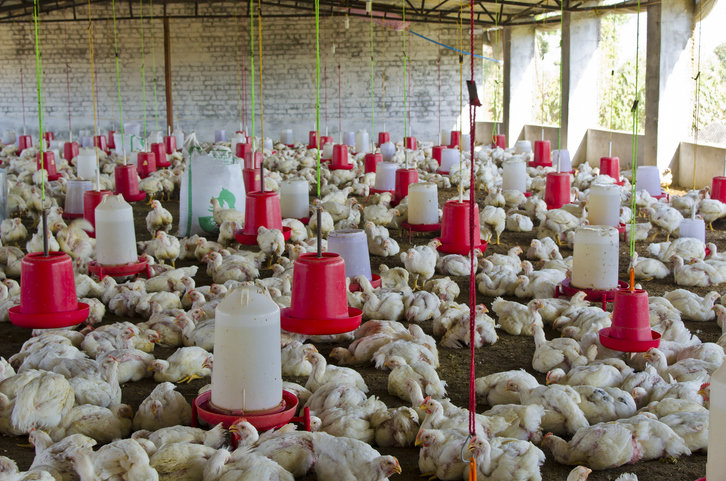
In October, the FSSAI banned the use of specific antibiotics in the production of meat, meat products, milk, milk products, poultry, eggs, and aquaculture.
The ban on the use of antibiotics is expected to enhance the quality of livestock farming in India.
This regulatory decision marks a crucial step in safeguarding public health and addressing AMR, which makes certain bacterial infections increasingly difficult to treat with standard medications, said GlobalData, a leading data and analytics company.
“Being one of the major producers and exporters of milk, eggs, fish, and poultry meat, India needs to regulate the use of antibiotics during livestock farming and production to sustain its position in the global market,” said Susmitha Bynagari, consumer analyst at GlobalData.
The country must also consistently monitor the use of antibiotics in animal production to maintain the quality of exported products.
“This ban on the use of antibiotics in feed for meat and poultry has also been implemented in countries like Bangladesh, Sri Lanka, Thailand, Vietnam, and Singapore,” Bynagari added.
India has committed to reducing the use of antimicrobials in animal production by 30-50 per cent by 2030.
Indian consumers’ preference for healthier products is also driving this shift. A recent GlobalData survey found that 73 per cent of Indian respondents indicated that well-being always or often influences their food and beverage purchasing decisions.
“To effectively tackle the issue of AMR, the FSSAI must ensure strict implementation of the ban on antibiotics in animal production across the country,” said Francis Gabriel Godad, Consumer Business Development Manager at GlobalData.
He further emphasized that a grassroots approach would be critical for achieving long-term success in reducing antibiotic use in agriculture and protecting public health.
(Inputs from IANS)