








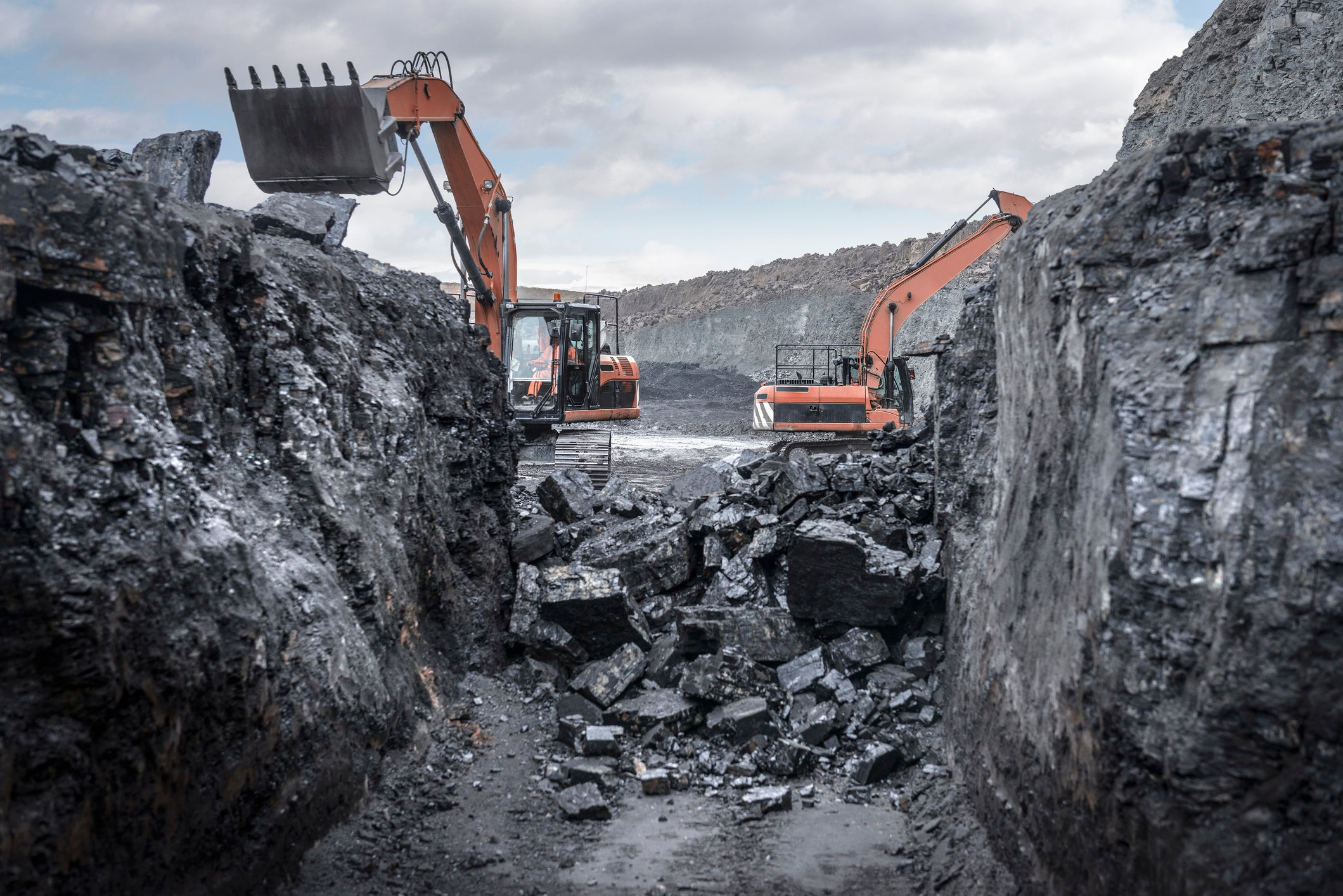
India, home to the world’s fifth-largest coal reserves, has seen a significant boost in domestic coal production over the past decade, reducing its reliance on imports despite being the second-largest consumer of coal globally.
Recent data reveals a marked improvement in India’s coal production growth rate. From fiscal year 2004-05 to 2013-14, the compound annual growth rate (CAGR) of coal production was 4.44%. However, this figure rose to approximately 5.63% between fiscal years 2014-15 and 2023-24, indicating a substantial increase in domestic output.
Simultaneously, India has managed to curb its coal import growth. The CAGR of coal imports, which stood at a staggering 21.48% from 2004-05 to 2013-14, dramatically decreased to just 2.49% in the period from 2014-15 to 2023-24.
Moreover, CAGR of imported coal share stood at 13.94% during the period from fiscal year 2004-05 to 2013-14 while the same figure plummeted to around -2.29%.
With strategic focus on optimizing indigenous coal resources and leveraging innovative technological solutions, India continues its journey towards self-reliance or Atmanirbhar in energy security of the nation.