




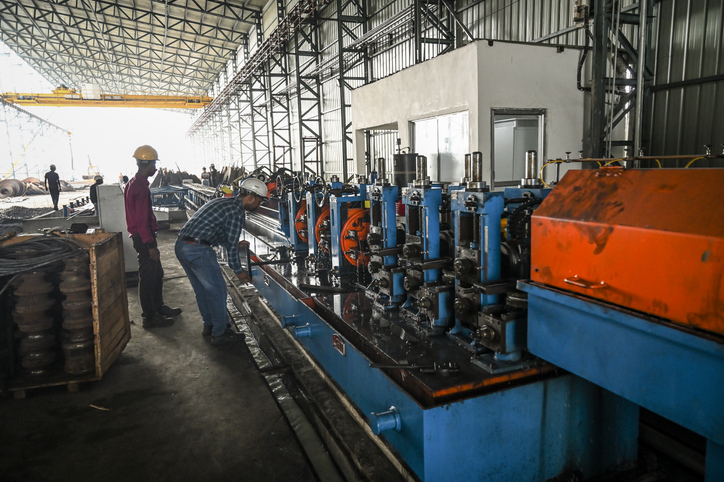
India’s manufacturing sector showcased resilience in November despite mounting cost pressures and fierce competition. The seasonally adjusted HSBC India Manufacturing Purchasing Managers’ Index (PMI) stood at 56.5, slipping from October’s 57.5 and matching an 11-month low. However, the PMI remained well above the 50-mark threshold, signaling continued expansion in the sector.
A robust demand environment drove growth in sales and output, but escalating costs and competitive pressures tempered the pace of expansion. Input cost inflation surged to its highest level since July, with rising prices for chemicals, cotton, leather, and rubber forcing manufacturers to pass on the burden to consumers. Output charges saw their steepest increase since October 2013.
Pranjul Bhandari, Chief India Economist at HSBC, noted that while the manufacturing PMI indicated strong growth, rising input costs and inflationary pressures were slowing output expansion. “India recorded a 56.5 manufacturing PMI in November, down slightly from October but still firmly in expansionary territory. Strong international demand, evidenced by a four-month high in new export orders, continues to fuel the sector’s growth,” she said.
International demand saw a notable uptick, with export orders from markets such as Italy, the UK, Bangladesh, China, and the US reaching a four-month high. However, domestic sales faced challenges due to inflationary pressures, highlighting a mixed performance across the sector.
The manufacturing industry continued its hiring streak for the ninth consecutive month, with both permanent and temporary staff being employed to meet production needs. While job creation softened compared to October, it remained solid, reflecting efforts to bolster workforce capacity.
Additionally, manufacturers maintained strong input purchasing to build inventories and meet future demand. Although the pace of buying slowed to a near one-year low, improved supplier performance and shorter lead times provided some relief to the sector.
(Inputs from ANI)