











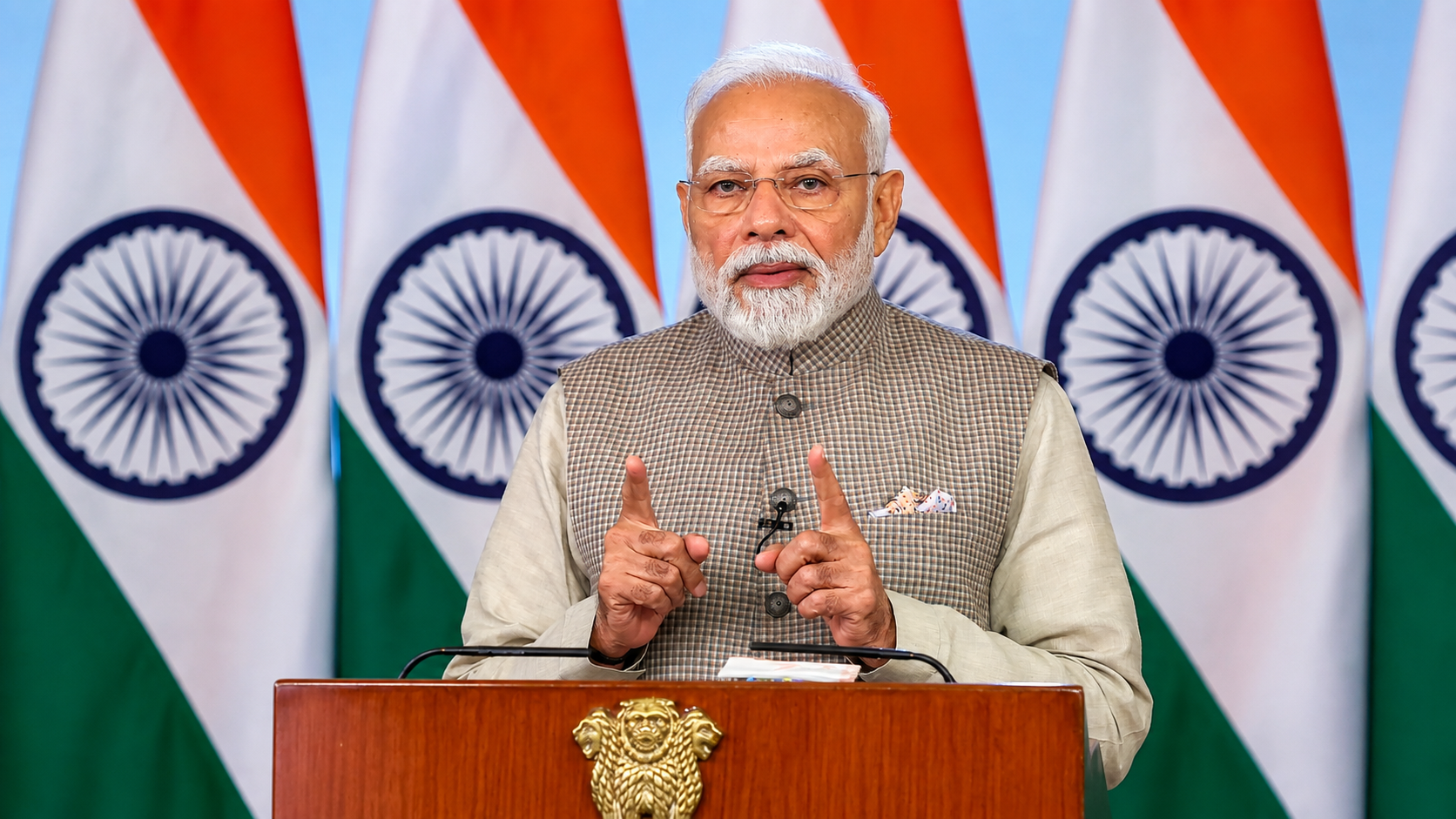
Prime Minister Narendra Modi on Saturday said India’s medical technology ecosystem is gaining strength through increased domestic manufacturing, reduced import dependence and government support, helping the country emerge as a trusted global med-tech partner.
In a post on X, PM Modi shared an article by Union Health and Family Welfare Minister Jagat Prakash Nadda on India’s progress in developing a domestic medical devices ecosystem.
“Union Health Minister JP Nadda highlights India’s growing self-reliant med-tech ecosystem, driven by domestic manufacturing, reduced import dependence and schemes such as PLI and Medical Device Parks,” PM Modi said.
He added that India was steadily emerging as a trusted global med-tech partner focused on making healthcare affordable and accessible.
In his article, Nadda said the government was strengthening domestic medical device manufacturing through initiatives such as the Production Linked Incentive (PLI) scheme, Medical Device Parks and the Promotion of Research and Innovation in Pharma-MedTech (PRIP) scheme.
More than 50 high-end medical devices have begun to be manufactured in India under the PLI scheme, Nadda said, adding that continued foreign investment reflected growing investor confidence in the sector.
He said reducing dependence on imported medical devices could strengthen supply chains and create opportunities for cost efficiencies while improving access to advanced diagnostics, imaging systems, implants and intensive-care equipment.
Nadda also highlighted emerging opportunities in artificial intelligence, software as a medical device, connected medical devices, robotics and remote diagnostics.
According to the minister, India’s med-tech market is currently valued at $15-16 billion and is expanding at nearly 12 per cent annually.
“The sector is the fourth-largest medical technology market in Asia and among the top 20 globally,” he said.
Nadda said the government was also focusing on strengthening regulatory systems, testing infrastructure and clinical evidence generation to improve patient safety and ensure Indian medical products meet international standards.
A stronger medical devices sector, he said, could contribute to manufacturing, employment, exports and technological development while making healthcare more affordable, accessible and resilient.
Earlier this week, a report projected that India’s domestic medical device industry could emerge as a global powerhouse, with the market expected to reach $250 billion by 2047.
“India’s medical device sector — which is currently valued at around $14 billion — is projected to reach $30-50 billion within this decade and likely to reach $250 billion by 2047,” the report said.
(IANS Inputs)












