











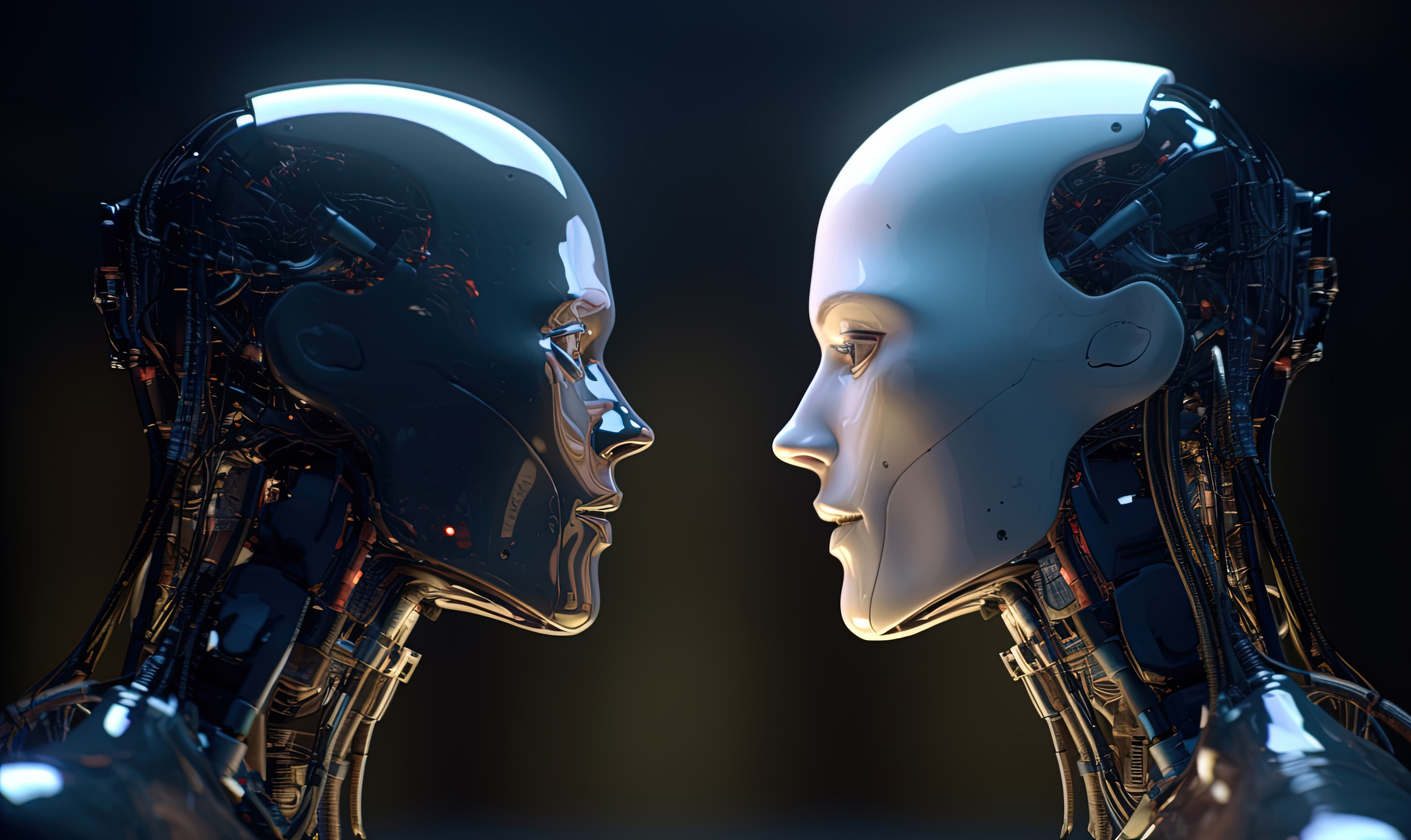
Have you heard about ChatGPT? It’s an AI software that has become quite famous. Chances are, if you’ve been reading stories online, it has been involved in some way.
In today’s fast-changing world, where AI plays a big role, India has a great opportunity to grow. Rajeev Chandrashekhar, Minister of State for the Ministry of Information and Technology, believes India is ready to boost its tech economy. The plan is to invest in both public and private capital flows into the digital space in the real economy space. Chandrashekhar highlights key areas of focus for the next 5-7 years: electronics and microelectronics, telecom, high-performance computing semiconductors, cybersecurity, the future of the internet, automotive and EVs.
Investing in Innovation: Fueling the IndiaAI Mission
Prime Minister Narendra Modi has allocated $12 billion as seed capital into the research and innovation fund that will finance R&D and invest in the next wave of startups, including deep tech, AI, and other similar endeavors.
The government has recently approved over Rs 10,300 crore for the IndiaAI Mission, set to be invested over the next five years. This investment aims to drive various initiatives like building AI computing capacity, establishing innovation centers, creating datasets platforms, and supporting AI startups. The goal is to build cutting-edge AI computing infrastructure, benefiting from collaborations with over 10,000 GPUs.
Tailored Solutions for India: The IndiaAI Approach
India’s approach to AI is tailored to its specific needs. The IndiaAI mission aims to empower states like Kerala, which have untapped potential in the tech sector. By investing in such regions, the government hopes to unlock opportunities for young Indians and increase economic growth.
S Krishnan, secretary of the Ministry of Electronics and Information Technology (MeitY), notes the importance of developing AI models specific to India. While foreign models like ChatGPT 4 can handle Indian languages, they may carry biases due to the data they’re trained on.
Safe & Secure India: Learning from Global Experiences
India’s stance on AI regulation is practical. By observing and learning from other countries’ experiences, India aims to develop effective regulations without hindering innovation. Krishnan also said that India might hold an advantage over other nations by entering AI regulations later, as it can study and learn from the mistakes made by other countries.
The MeitY secretary also raised concerns regarding the potential job losses due to AI. However, he pointed out that India might not be as heavily affected due to its substantial pool of engineers already familiar with the technology. Nonetheless, he underscored the necessity for significant efforts in retraining and upskilling. India’s prioritisation of technology, particularly AI, reflects its ambition to drive progress and prosperity in the digital age.
-Surabhi Somvanshi







