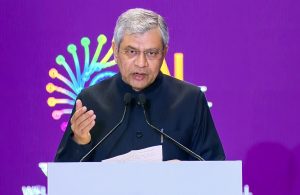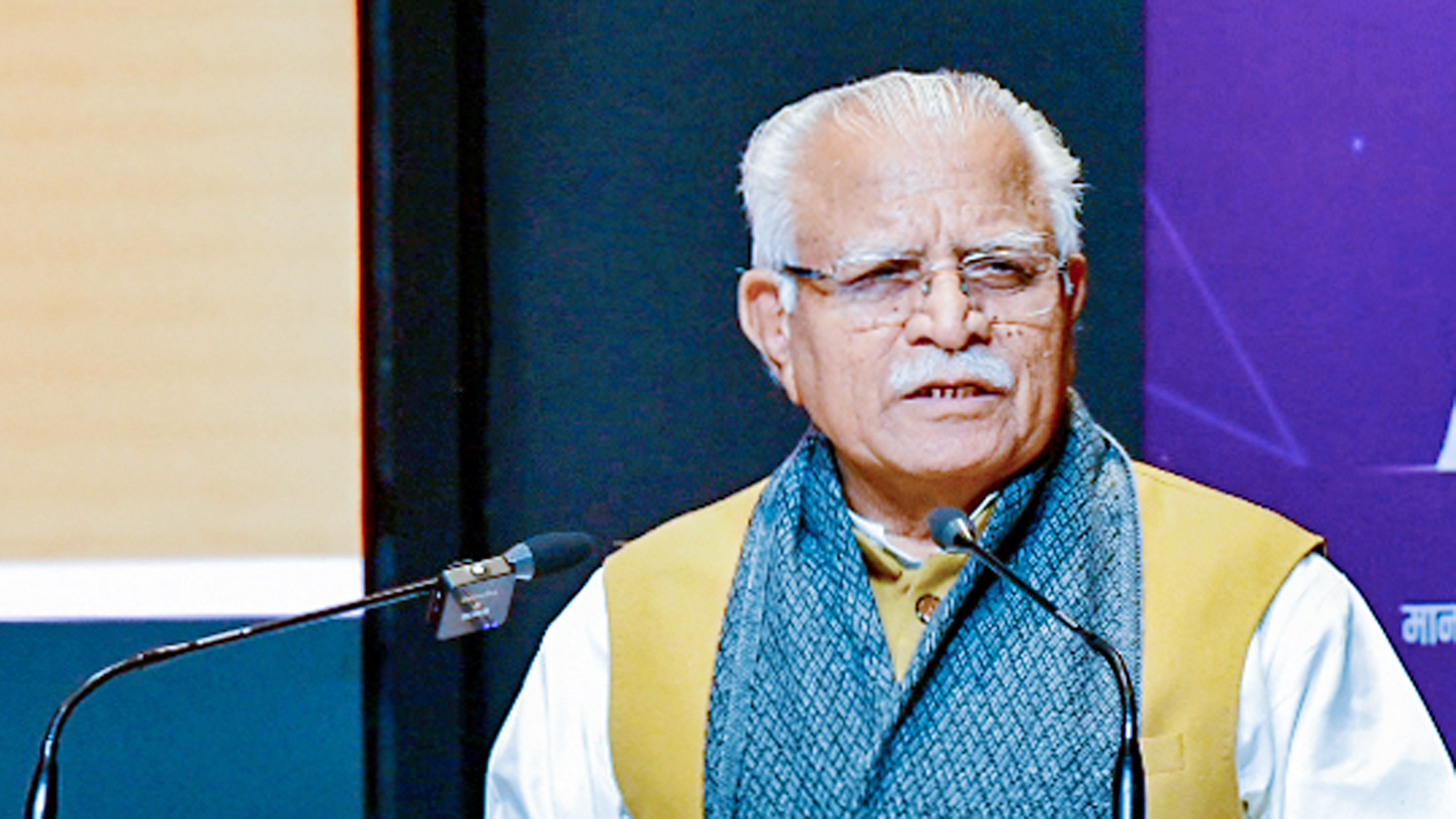
Union Power Minister Manohar Lal Khattar on Thursday said that India’s power sector is increasingly focused on innovation, affordability, and global collaboration, as the country undergoes a rapid transformation in the energy space.
Speaking at the Bharat Electricity Summit 2026, Khattar highlighted key milestones achieved by the sector. “India has already met its target of achieving 50 per cent cumulative non-fossil fuel-based electricity capacity well ahead of schedule,” he said.
He also pointed to flagship initiatives such as the PM Surya Ghar Muft Bijli Yojana and the SHANTI Act 2025, which have accelerated the country’s transition towards clean energy.
“India has moved from being a power-deficit nation to a power-surplus one, supported by strong growth in renewable energy,” the minister noted, adding that solar capacity has surged from 2.8 GW to over 143 GW in recent years.
Khattar said the country is preparing to meet rising electricity demand, including peak demand of 270 GW and beyond, after successfully handling 250 GW during 2024–25.
He further underlined that India’s power sector is expected to attract massive investments of around ₹200 lakh crore over the next two decades. “We are expanding transmission infrastructure, strengthening cross-border energy connectivity, and exploring undersea transmission networks, with a long-term vision of becoming a global exporter of affordable energy,” he said.
The four-day global conference-cum-exhibition, being held at Yashobhoomi, has brought together policymakers, industry leaders, and experts from around the world to deliberate on the future of the power sector.
Describing the summit as a “Conference of Light,” Khattar said it reflects India’s commitment to leading the global energy transition. He emphasised that the energy sector will play a crucial role in India’s journey towards becoming a developed nation by 2047.
Union Minister Pralhad Joshi, who also addressed the gathering, said that while thermal power will continue to play an important role, renewable energy remains the only sustainable path forward. He stressed the need for a balanced transition driven by scale, speed, and skill.
(IANS)