











Researchers at the Institute of Nano Science and Technology (INST), Mohali, have developed a sustainable catalytic filter that combines zinc oxide nanoparticles with biodegradable nanofibres to treat dye-contaminated wastewater.
The technology uses light and mechanical vibrations to enhance pollutant degradation, while machine learning helps predict its dye-decolourisation performance. The research was published in the journal Advanced Functional Materials.
INST, an autonomous institute under the Department of Science and Technology, developed the material to address persistent organic dyes discharged by industries, particularly textiles. These compounds can be toxic, chemically stable and resistant to natural degradation.
Conventional treatments such as adsorption, sedimentation and flocculation can separate pollutants without necessarily destroying them, while biological treatment may be slow for highly stable dyes.
Photocatalysis offers an alternative by degrading pollutants under relatively mild conditions. However, conventional systems face difficulties in recovering nanoparticle catalysts, separating them from treated water and maintaining efficient contact with pollutants. Their performance can also be limited by light availability and electron–hole recombination.
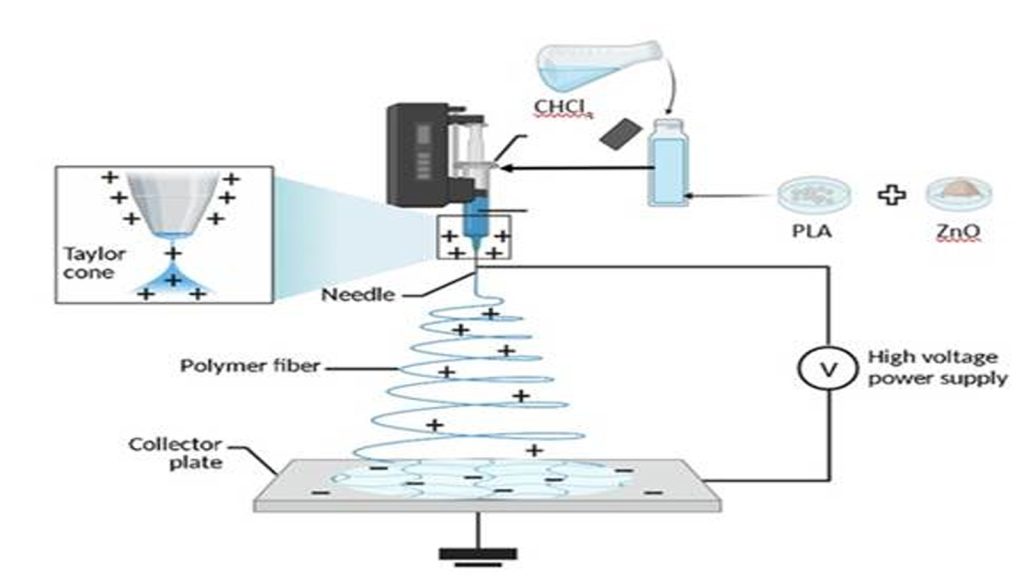
To address these challenges, researchers immobilised zinc oxide, or ZnO, nanoparticles within porous polylactic acid (PLA) nanofibres and introduced mechanical excitation alongside light.
Mechanical vibrations generated piezoelectric polarisation, suppressing the recombination of light-generated electrons and holes and increasing the formation of reactive species involved in pollutant degradation.
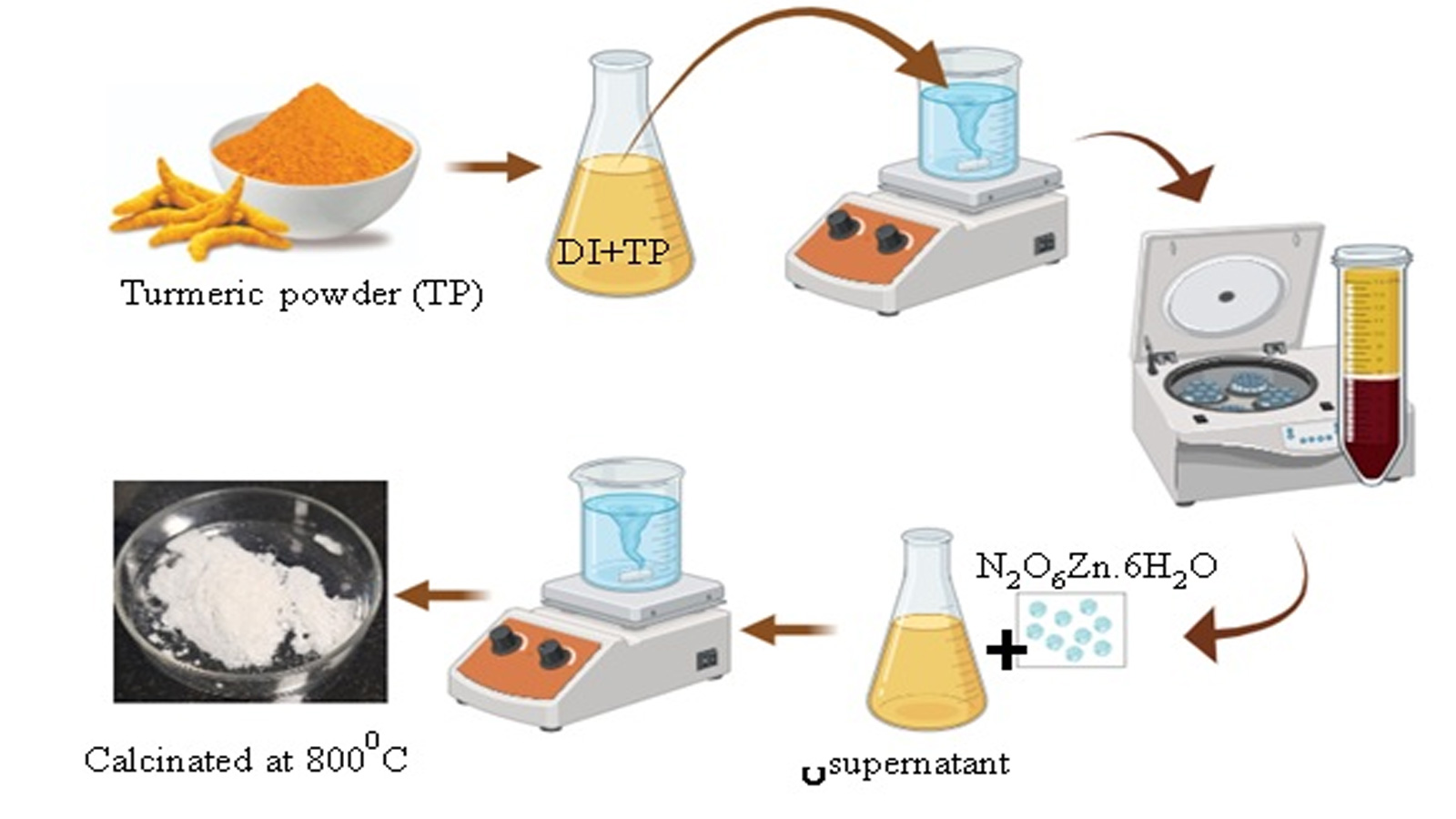
Dr Aviru Kumar Basu’s laboratory synthesised the ZnO nanoparticles using turmeric extract. Naturally occurring compounds, including curcumin, flavonoids and phenolic compounds, acted as reducing and stabilising agents, avoiding synthesis methods involving harmful reagents.
The team used electrospinning to produce a porous, high-surface-area and mechanically stable PLA-ZnO membrane instead of using freely dispersed ZnO powder.
Under combined light and ultrasonic excitation, the nanofibres achieved 98.6% decolourisation of MB dye and 96.7% of CR dye within 120 minutes.
The material also demonstrated antibacterial activity, inactivating approximately 75% of E. coli and 71% of S. aureus after six hours.
Machine learning was integrated into the experimental study to predict dye-decolourisation behaviour using parameters including wavelength, treatment time, catalyst quantity, ultrasonic frequency, light intensity and dye concentration.
The researchers identified potential applications in treating textile and industrial wastewater containing persistent dyes and microbial contaminants, as well as in environmental remediation and antibacterial water-treatment membranes.







