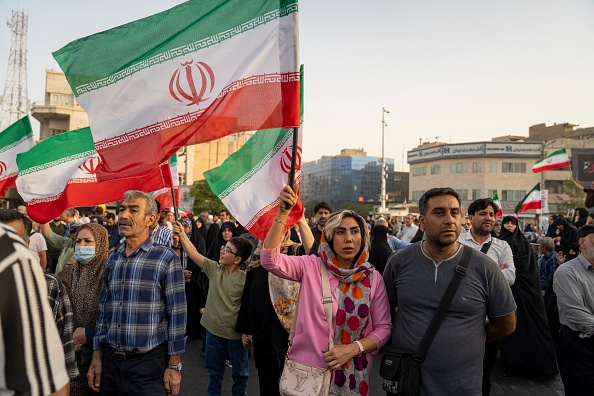
Iran’s near-total internet blackout continued on Saturday as unrest spread across the country and authorities signaled a harsher response. In his first public address since demonstrations began on 28 December, Supreme Leader Ayatollah Ali Khamenei accused protesters of acting on behalf of foreign adversaries, directly blaming US President Donald Trump for what he described as externally driven unrest amid Iran’s deepening economic crisis. Khamenei vowed the Islamic Republic would not back down, even as rights groups reported mounting casualties.
According to the Human Rights Activist News Agency, at least 62 people have been killed since nationwide protests erupted, with security forces deployed across major cities and the government maintaining strict controls on communication networks. The internet shutdown has sharply limited the flow of information, making it difficult to independently verify casualty figures and the extent of demonstrations.
The crisis has triggered sharp diplomatic exchanges between Tehran and Washington. President Trump warned that Iran was “in big trouble” and threatened severe retaliation if protesters were killed, while Iranian officials accused the United States and Israel of attempting to destabilize the country. Speaking in Lebanon on Friday, Foreign Minister Abbas Araghchi alleged that Washington and Tel Aviv were openly plotting to influence Iran’s protest movement, though he downplayed the likelihood of direct military intervention. United Nations human rights officials voiced alarm over the violence and urged Iran to respect the right to peaceful protest, while France, the United Kingdom, and Germany condemned the killing of demonstrators.
Meanwhile, Iran’s exiled crown prince, Reza Pahlavi, has re-emerged as a visible opposition voice abroad, urging Iranians to continue demonstrating and calling on the armed forces to protect the public. Positioning himself as a potential steward of democratic transition, Pahlavi has called for urgent international support and advocated a secular political system to replace the clerical establishment.
What began as scattered demonstrations over economic grievances has evolved into a sustained and volatile challenge to Iran’s ruling system. Protesters, once focused on inflation and joblessness, are increasingly invoking broader political demands and calls for regime change. Iranian authorities continue to assert that foreign powers are orchestrating the unrest, while Western governments and human rights organizations blame Tehran for escalating repression.
As the internet blackout persists and casualties rise, the international community is watching closely. The standoff shows no sign of resolution, and with limited communication channels and heavy security presence on the streets, Iran remains on edge as the protests enter a new and uncertain phase.