

02/07/25 | 2:09 pm | Shigeru Ishiba

Print

Japan PM says determined to protect national interests amid tariff stalemate

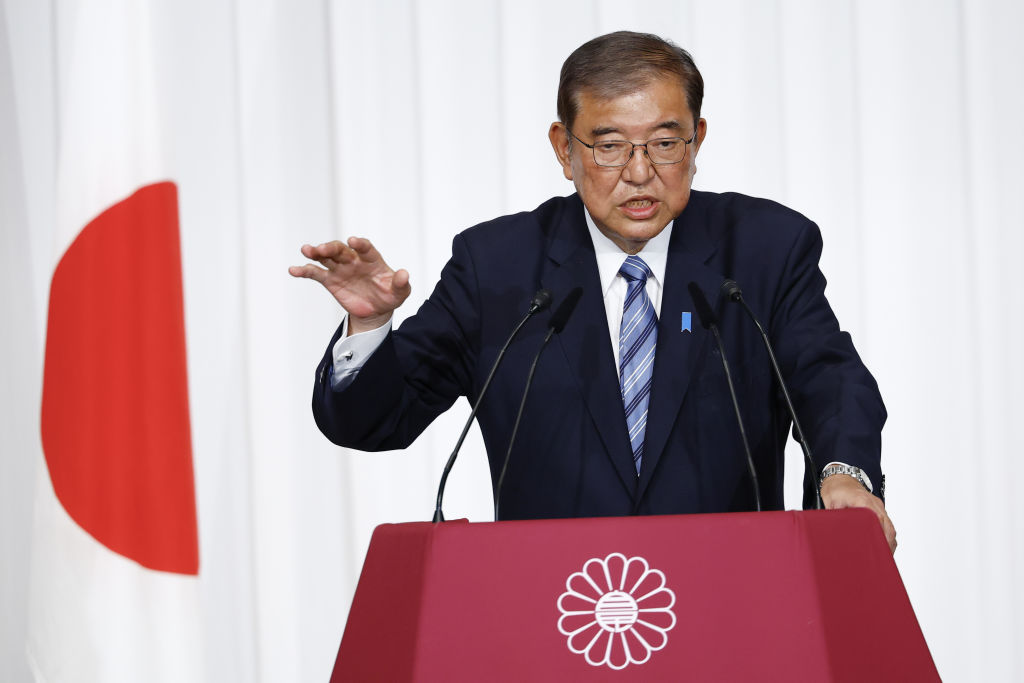
Japanese Prime Minister Shigeru Ishiba said on Wednesday he was determined to protect his country’s national interests as trade negotiations with the U.S. struggled and President Donald Trump threatened even higher tariff rates on the Asian ally.

“Japan is different from other countries as we are the largest investor in the United States, creating jobs,” Ishiba said in a public debate with opposition party leaders.

“With our basic focus being on investment rather than tariffs, we’ll continue to protect our national interest,” he said.

Trump on Tuesday cast doubt on a possible deal with Japan, indicating that he could impose a tariff of 30% or 35% on imports from Japan – well above the 24% rate he announced on April 2 and then paused until July 9.

Japanese broadcaster TV Asahi reported on Wednesday that Japan’s tariff negotiator Ryosei Akazawa was organising his eighth visit to the United States for trade talks as early as this weekend.

(Reuters)

RELATED ARTICLES

13 hours ago | Cotton custom duty

Centre waives customs duty on cotton imports till Oct 31 to support textile industry

The central government has announced a temporary exemption from all customs duties on cotton imports from June 1, 2026, to October 31, 2026, in a move aimed at improving the availability of cotton for India's textile industry. According to the Minis...

29/05/26 | 8:19 pm | Puducherry

Govt notifies two new special economic zones in Puducherry

The Union government has notified two new Special Economic Zones (SEZs) in Puducherry as part of the continued push towards strengthening the country's industrial base, expanding exports, and deepening self-reliance in strategic sectors, according to...

29/05/26 | 6:29 pm | Debt Recovery Tribunals and Lok Adalats.

How India’s Insolvency Framework Has Evolved in 10 Years Under the IBC

India’s insolvency framework has undergone a major transformation over the past decade through the Insolvency and Bankruptcy Code (IBC), 2016, which replaced a fragmented and delay-ridden system with a unified, creditor-driven and time-bound mechan...