







Meghalaya has become the 12th state to sign a reform-linked Memorandum of Understanding (MoU) with the Union government under Jal Jeevan Mission 2.0, marking a significant step towards sustainable and service-oriented rural water supply.
The agreement formalises the state’s entry into the new reform-driven framework of the mission, which was approved by the Union Cabinet earlier this month.
Centre-State Partnership for Water Security
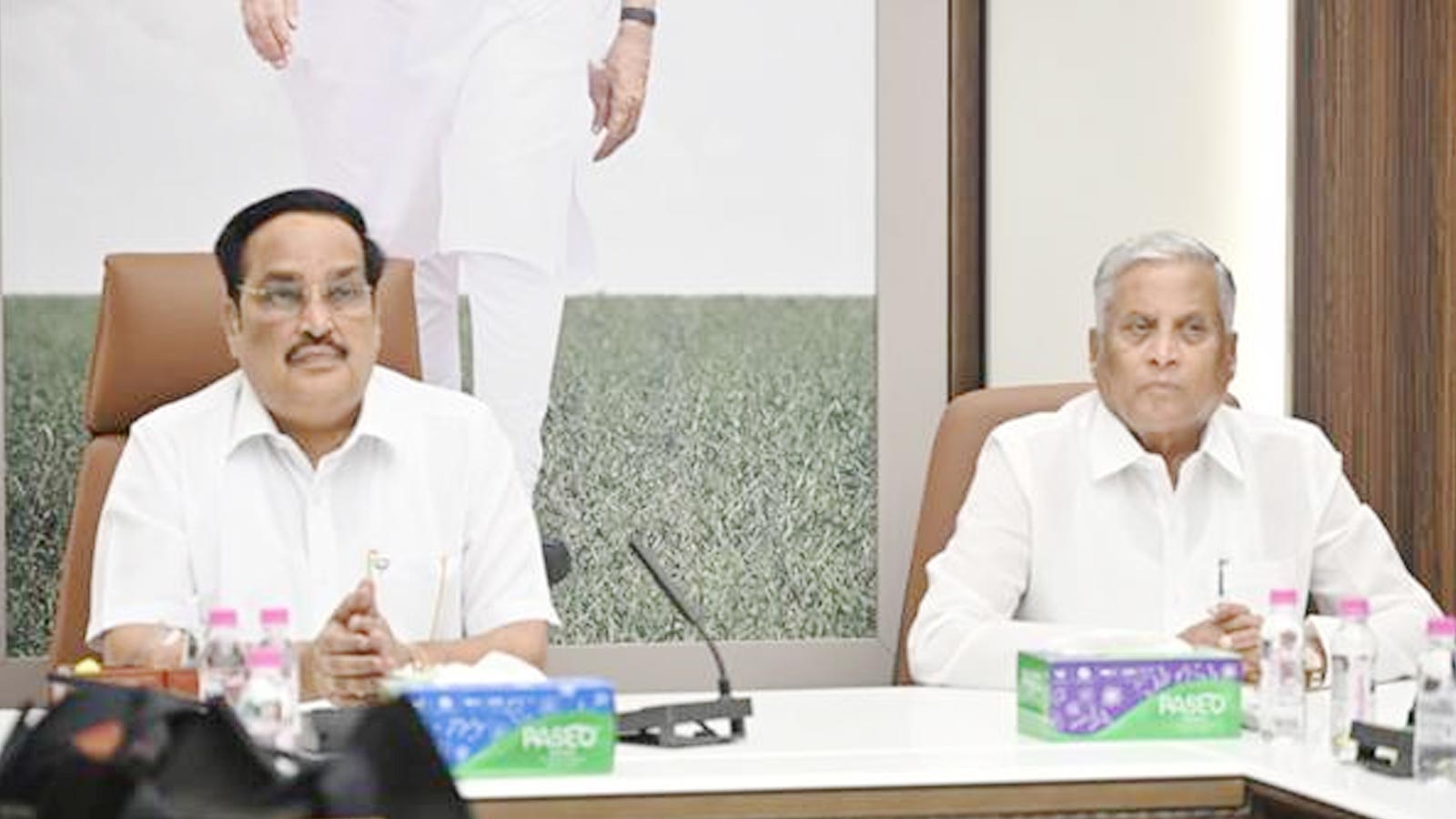
The MoU was signed in the presence of Union Jal Shakti Minister C. R. Patil, Minister of State V. Somanna, and Meghalaya Chief Minister Conrad K. Sangma, who joined virtually.
The Ministry of Jal Shakti said the agreement reflects a strengthened partnership between the Centre and the state, with a focus on delivering sustainable and reliable drinking water services in rural areas.
Shift from Infrastructure to Service Delivery
Under Jal Jeevan Mission 2.0, the focus has shifted from merely building infrastructure to ensuring long-term service delivery and sustainability.
Senior officials highlighted that the MoU emphasises decentralisation of water management; empowerment of Gram Panchayats and Village Water & Sanitation Committees (VWSCs); creation of District Water and Sanitation Missions (DWSMs); and community ownership and participation in water supply systems.
Strong Progress, Push for 100% Coverage
The Ministry noted that Meghalaya has already achieved around 83% rural tap water coverage under the mission and urged the state to accelerate efforts to achieve 100% coverage.
Patil said the government remains committed to ensuring universal access to tap water and sanitation, aligning with the vision of Narendra Modi for a developed India by 2047.
He also highlighted that the mission timeline has been extended to December 2028, with an additional outlay of ₹1.51 lakh crore, including significant budgetary support for 2025–26.
Focus on Sustainability and Water Conservation
The MoU also stresses the importance of water conservation and source sustainability, with states encouraged to utilise schemes such as MGNREGA to strengthen water resources.
The minister called for integrated efforts across departments to ensure efficient use of funds and long-term viability of rural water systems.
State Commits to Reforms
Chief Minister Sangma said Meghalaya has made significant progress since the launch of the mission, improving from one of the lowest levels of tap water coverage to over 83%.
He highlighted the state’s early adoption of a water policy and the formation of a climate council to address water-related challenges through a coordinated approach.
Sangma assured that the state is committed to implementing all provisions of the MoU and ensuring both the quality and sustainability of drinking water supply.