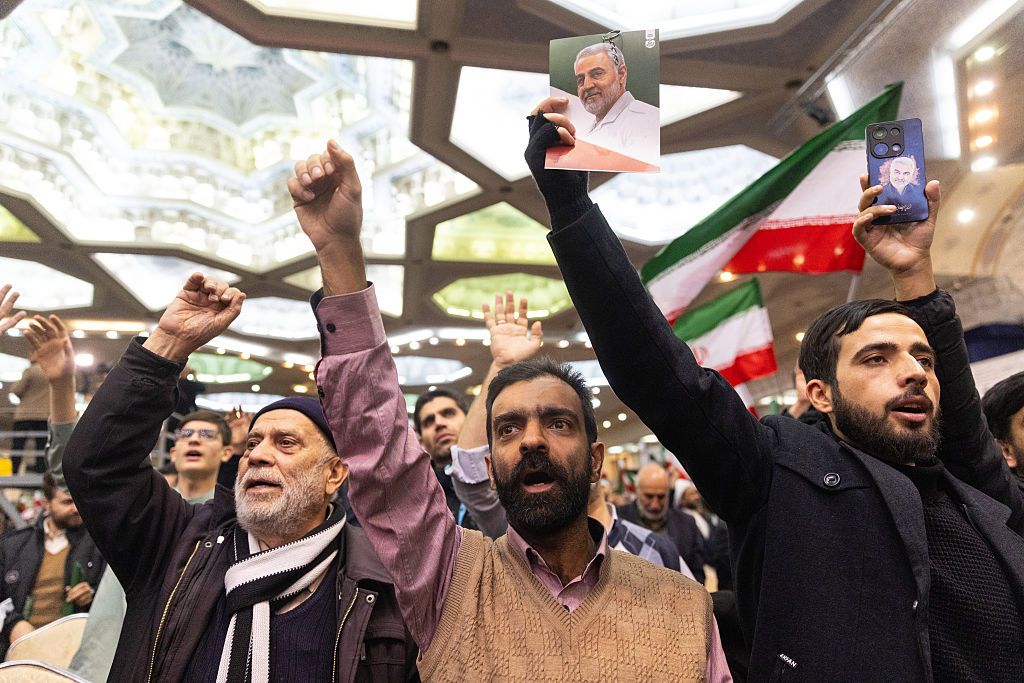
Mass anti-government protests sweeping across Iran have continued into their third week, marking the largest challenge to the Islamic Republic’s authority since the 2022-2023 Mahsa Amini uprising. What began as demonstrations over a severe economic crisis, fueled by soaring inflation and the collapse of the rial currency. has evolved into widespread calls for regime change, with protesters chanting slogans against Supreme Leader Ayatollah Ali Khamenei and expressing support for a return to monarchical rule.
Authorities imposed a nationwide internet and mobile blackout starting January 8 to curb organization and documentation of the unrest, described by rights groups as an attempt to conceal human rights violations. Despite this, videos verified by international media show large crowds in Tehran, Mashhad, Tabriz, Isfahan, and other cities, with bonfires, fireworks, and clashes.
Human rights organisations are reporting a mounting toll from the unrest in Iran, with multiple accounts indicating that more than two-hundred protesters have been killed and over two-thousand-six-hundred people arrested. Eyewitnesses and medical sources say security forces have used live ammunition against demonstrators.
Amnesty International and Human Rights Watch have condemned the violence and the nationwide communications blackout, calling for restraint. The UN human rights chief has also urged independent investigations into the reported abuses.
US President Donald Trump has warned of possible intervention if the use of lethal force continues, saying the United States is ready to help and is considering military options, including potential strikes. Officials say preliminary discussions are under way as the White House weighs its response. Iran’s parliament speaker has warned that American bases and Israel would become legitimate targets in the event of any attack.
Protests erupted on December 28, 2025, initially centered in Tehran’s Grand Bazaar, where merchants shuttered shops in response to economic hardships. They rapidly spread to all 31 provinces, encompassing over 180 cities and more than 500 locations. Demonstrators, including a prominent role played by younger generations, have waved the pre-1979 Lion and Sun flag and voiced support for exiled Crown Prince Reza Pahlavi, who has called for peaceful transitions and further street action.